
To catch problems early at the stem base, you need to regularly examine it for signs like discoloration, softness, swelling, or visible infection. Check for clues that indicate rot or tissue damage before they worsen. Also, assess soil stability and moisture levels, as loose or overly wet soil can weaken the plant’s foundation. Staying vigilant with these checks helps keep your plants healthy longer. Keep going to discover more essential tips for healthier plants.
Key Takeaways
- Regularly inspect the stem base for discoloration, softness, or swelling indicating early infection or rot.
- Check for visible signs of tissue damage or infection symptoms at the stem base.
- Assess soil stability around the plant to ensure proper support and prevent shifting that can damage the stem.
- Remove excess mulch or soil buildup to expose the stem base for easier inspection.
- Monitor soil moisture levels to prevent overwatering, which can lead to rot at the stem base.
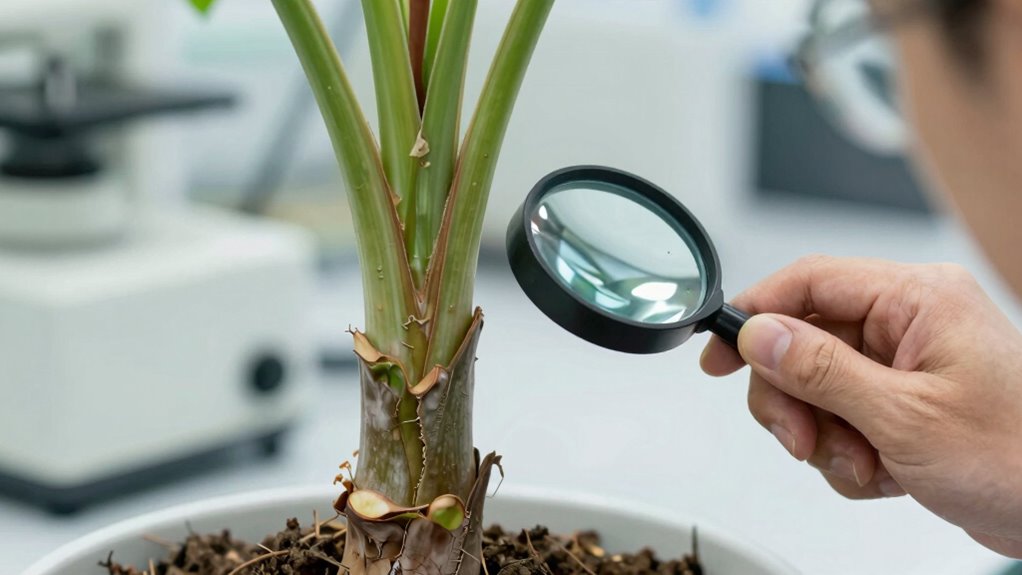
Have you ever wondered how to guarantee your plants stay healthy and stable? One of the most effective ways is by regularly inspecting the stem base. This area is vital because it directly influences root health and soil stability. When you check the stem base, you’re fundamentally catching problems early before they escalate into more serious issues. Early detection allows you to take targeted action, saving your plants from potential decline or failure.
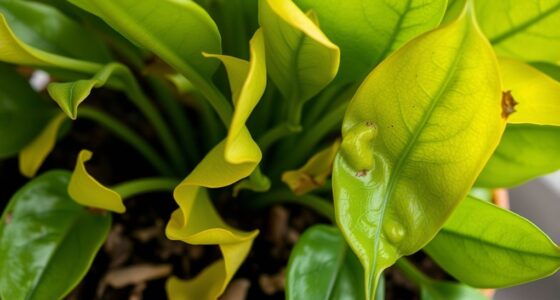
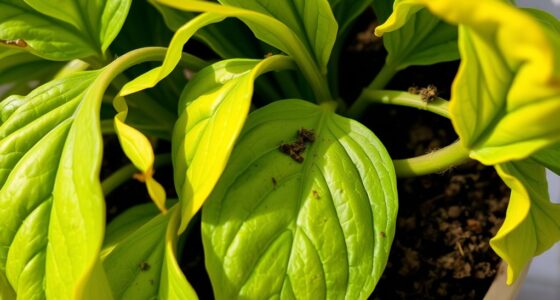
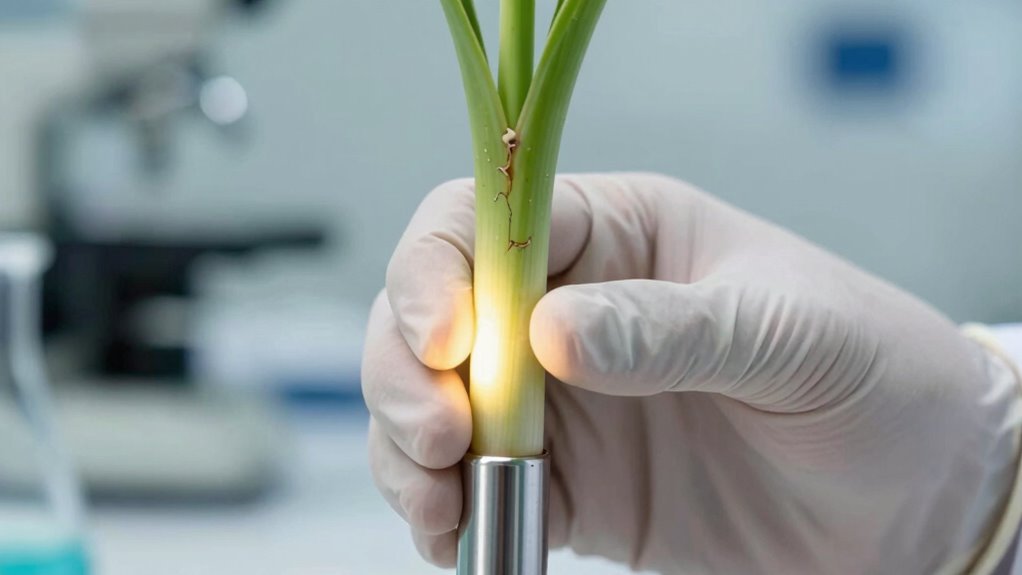
Start by examining the area where the stem meets the soil. Look for any signs of discoloration, swelling, or softness. These indicators often point to root rot or stem infections that can weaken the entire plant. If the stem base feels mushy or appears discolored, it might mean pathogens are invading, compromising root health. When root health deteriorates, the plant’s ability to absorb nutrients and water diminishes, leading to stunted growth or even death. Spotting these signs early means you can remove infected parts, improve drainage, or adjust watering practices to prevent further damage.
Examine the stem base for discoloration, swelling, or softness to catch infections early and protect plant health.
Soil stability is another essential aspect to contemplate during your check. If the soil around the stem base is loose, eroding, or overly compacted, it can destabilize the plant, making it more vulnerable to tipping over or damage from environmental stressors. Stable soil provides a firm foundation that supports healthy root development and helps anchor the plant securely. If you notice soil shifting or washing away, it’s a good idea to add mulch or amend the soil to enhance stability. This not only prevents erosion but also maintains ideal moisture levels, supporting both root health and overall plant vigor. Additionally, understanding soil composition can help you select the best amendments to improve stability and drainage. Regularly lifting the plant gently from the soil also allows you to assess the root system directly, ensuring it remains healthy and free from disease. Proper soil management techniques are crucial for maintaining a healthy root environment, which in turn supports the plant’s overall resilience. Incorporating soil testing into your routine can give you precise insights into nutrient levels and pH, allowing for more targeted improvements. Furthermore, keeping an eye on soil moisture levels can help prevent issues like overwatering or drought stress, both of which can harm root health.
plant stem base inspection tools
As an affiliate, we earn on qualifying purchases.
As an affiliate, we earn on qualifying purchases.
Frequently Asked Questions
How Often Should I Perform a Stem Base Check?
You should perform a stem base check weekly to catch issues early. During each check, focus on soil moisture levels around the stem, ensuring it’s not too wet or dry, which can lead to problems. Also, inspect for pests or signs of disease, preventing infestations and health issues. Regular checks help you maintain healthy plants, prevent pest problems, and promote ideal growth by addressing concerns promptly.
What Tools Are Best for Inspecting the Stem Base?
You should use a magnifying glass and a flashlight to inspect the stem base closely. Look for signs of root rot, like soft, dark areas, and check soil drainage to guarantee excess water isn’t pooling around the roots. Good tools help you spot early issues before they spread, so regular inspections with these tools make it easier to maintain healthy plants and prevent problems related to poor soil drainage or stem rot.
Can Stem Base Issues Affect Overall Plant Health?
If you ignore stem base issues, your plant’s health can suffer. For example, a gardener once neglected early stem rot signs, leading to root damage that spread throughout the plant. This weakens its structure and reduces nutrient uptake, making it more vulnerable to disease. So, catching stem rot early with regular stem base checks helps prevent root damage and keeps your plant strong and healthy.
What Signs Indicate a Problem With the Stem Base?
If you notice soft, discolored, or swollen areas at the stem base, it’s a sign of trouble. Look for root rot, which causes decay and weakens the plant’s foundation, and soil compaction, which restricts root growth and nutrient absorption. These issues often lead to wilting or stunted growth. Regularly inspecting the stem base helps catch problems early, so you can take steps to prevent further damage.
Are There Preventive Measures to Avoid Stem Base Problems?
You can prevent stem base problems by maintaining proper soil nutrition, ensuring your plants get the right balance of nutrients to strengthen their stems. Regularly monitor for pests and implement pest prevention measures, such as appropriate spacing and using organic controls, to stop infestations early. Proper watering practices and avoiding over-fertilization also help keep the stem base healthy, reducing the risk of issues developing.
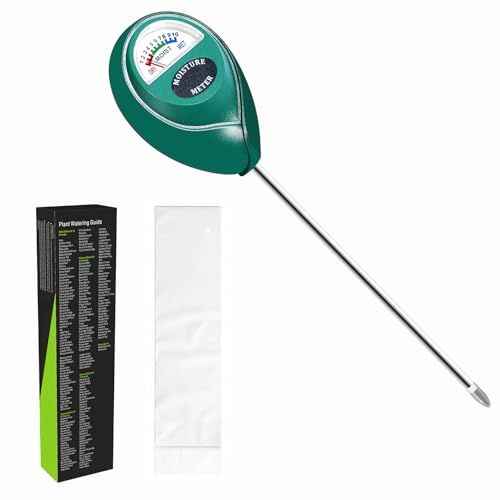
XLUX Plant Soil Moisture Meter, for Indoor and Outdoor use, Battery-Free
- Trusted Since 2015: Reliable and accurate soil moisture readings
- Battery-Free Design: No batteries or charging required
- Deep Root Zone Measurement: Probes soil at root level for accuracy
As an affiliate, we earn on qualifying purchases.
As an affiliate, we earn on qualifying purchases.
Conclusion
By regularly inspecting the stem base, you catch problems early, much like a vigilant guard spotting trouble before it spreads. This quick check helps prevent serious issues that could compromise your plant’s health and growth. Think of it as a first line of defense—simple but essential. Stay attentive, and your plants will thank you with strong, healthy stems. Remember, a little caution now keeps bigger problems at bay later.
garden mulch and soil amendments
As an affiliate, we earn on qualifying purchases.
As an affiliate, we earn on qualifying purchases.
As an affiliate, we earn on qualifying purchases.