
Blossom drop can happen even when your plants look healthy if nutrients are imbalanced or if the soil’s pH isn’t right. Over-fertilizing, especially with excess nitrogen, encourages leafy growth but can reduce flowering. Nutrient deficiencies or excess salts affect nutrient uptake, causing blossoms to fall prematurely. Proper soil management, including testing and amendments, is key. To uncover how you can prevent blossom drop and promote fuller blooms, keep going for more helpful information.

Get garden gear delivered free — and shop member deals
- Fast, free delivery on millions of items
- Access to Prime Big Deal Days deals on October 6–7
- Prime Video, Amazon Music and more included
Key Takeaways
- Nutrient imbalances or deficiencies can cause plants to shed blossoms early despite healthy appearance.
- Over-fertilization, especially excess nitrogen, may promote lush foliage but reduce flowering and cause blossom drop.
- Improper soil pH limits nutrient availability, leading to stress and flower shedding.
- Inadequate soil testing and lack of amendments can result in poor nutrient uptake, triggering blossom drop.
- Environmental stresses or inconsistent watering can also cause healthy-looking plants to drop blossoms prematurely.
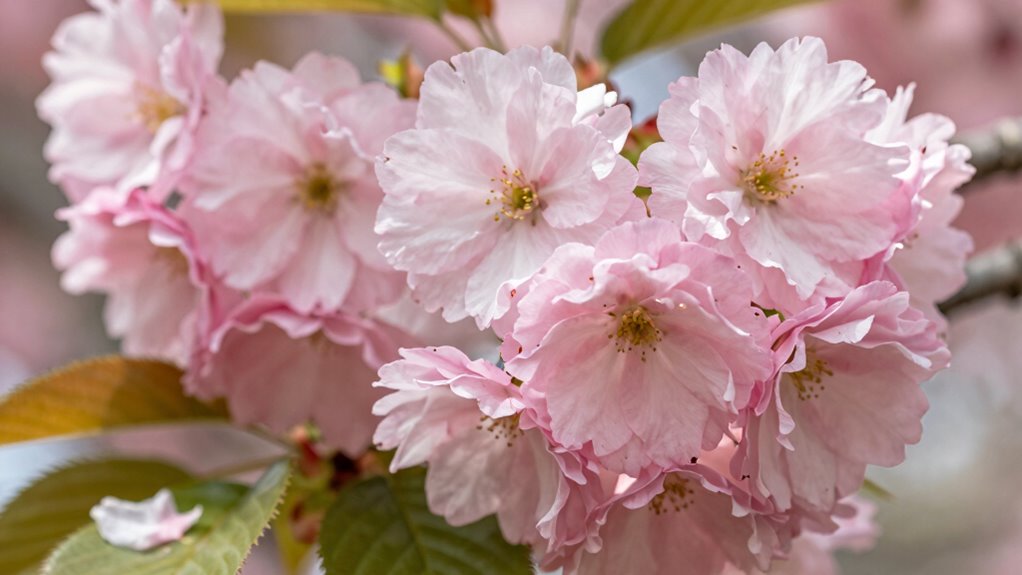
Even healthy-looking plants can suffer from nutrient imbalances or deficiencies, especially if the soil lacks essential elements like phosphorus, potassium, or magnesium. These nutrients are essential for flower production and fruit development. When the soil isn’t providing what your plant needs, it may conserve energy by shedding flowers early, rather than investing in fruiting. Over-fertilization with nitrogen can also be problematic, encouraging lush foliage at the expense of flowers, leading to weak blossoms that fall prematurely. To prevent this, test your soil regularly and amend it with a balanced fertilizer tailored to your plant’s needs. Proper soil preparation creates a nutrient-rich environment that supports robust flowering and reduces blossom drop caused by nutritional stress. Additionally, understanding the role of inorganic salts in plant nutrition can help you optimize fertilization practices and prevent deficiencies. Maintaining a proper soil pH balance is also crucial, as it influences nutrient availability and overall plant health. Regularly monitoring soil nutrient levels can help you catch deficiencies early and ensure your plants stay healthy and vibrant. Being aware of soil testing techniques can further aid in precise nutrient management and improve plant vitality. Ensuring your plants receive the right balance of nutrients through soil amendments can significantly improve flowering success. Proper soil management, including the right balance of nutrients, is key to keeping your plants healthy and flowering abundantly.
As an affiliate, we earn on qualifying purchases.
Frequently Asked Questions
Can Blossom Drop Occur in All Plant Species?
Blossom drop can occur in many plant species, but not all. You might notice it when plant hormone imbalances disrupt flower development or when roots experience stress, like drought or poor soil. Environmental factors, such as temperature fluctuations, also play a role. While some plants are more prone, understanding these triggers helps you manage and reduce blossom drop across various species.
Does Blossom Drop Affect Fruit Quality?
Blossom drop can markedly impact fruit quality, making your harvest feel like a mirage. When pollination fails or fruit development stalls, fewer fruits mature, often smaller and less flavorful. This drop not only reduces your yield but also hampers the overall quality of the fruit. Ensuring proper pollination and ideal conditions helps prevent blossom drop, so your plants produce the best possible fruits.
How Can I Prevent Blossom Drop Naturally?
To prevent blossom drop naturally, you should focus on improving your plant’s overall health through proper watering and soil management. Flower thinning can help reduce stress, allowing plants to focus their energy on fewer blossoms. Additionally, try natural remedies like compost tea or diluted seaweed extract to boost nutrient levels. These methods support healthy flowering and help minimize blossom drop without using chemicals, ensuring your plants produce better fruit.
Is Blossom Drop More Common in Certain Climates?
Yes, blossom drop is more common in certain climates, especially those with significant seasonal variations and climate influence. Hot, humid, or unpredictable weather can stress your plants, causing blossoms to drop prematurely. In areas with sudden temperature swings or irregular rainfall, plants struggle to set fruit. To reduce blossom drop, consider planting at ideal times for your climate and providing consistent moisture and protection from extreme weather conditions.
When Should I Be Most Concerned About Blossom Drop?
You should be most concerned about blossom drop when it occurs during flowering, especially if you notice no fruit forming. This often signals pollination issues or nutrient deficiencies, like insufficient phosphorus or potassium. Keep an eye on environmental factors, such as temperature fluctuations or stress. Ensuring proper pollination and maintaining balanced soil nutrients can help reduce blossom drop and promote healthy fruit development.
balanced plant fertilizer for flowering
As an affiliate, we earn on qualifying purchases.
As an affiliate, we earn on qualifying purchases.
Conclusion
Just like Icarus flying too close to the sun, sometimes your healthy-looking plants face blossom drop when conditions aren’t quite right. Remember, even the strongest can falter if the balance is off—be it temperature, water, or nutrients. Keep a close eye on your plants, learning from the whispers of nature’s delicate dance. When you nurture with patience and awareness, you’ll find your garden flourishing, proving that even in setbacks, growth is just around the corner.
As an affiliate, we earn on qualifying purchases.
plant blossom drop prevention products
As an affiliate, we earn on qualifying purchases.
As an affiliate, we earn on qualifying purchases.
Fall Picks
fall essentials
As an affiliate, we earn on qualifying purchases.