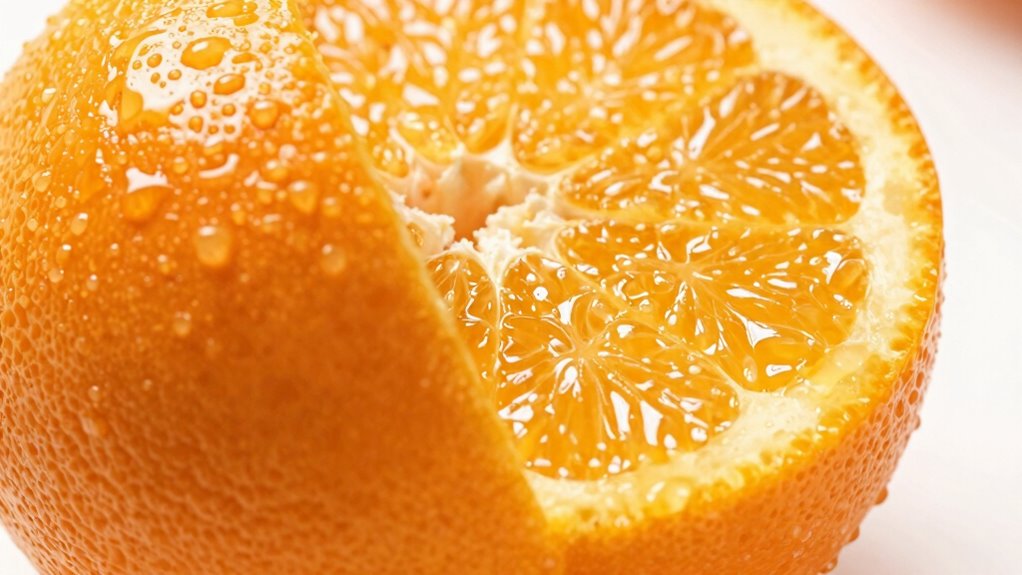

Inconsistent watering habits can cause fruit splitting by creating uneven soil moisture levels, which weaken the fruit skin as it ripens. When watering is irregular, rapid growth occurs, making the skin unable to keep up and crack open. Sudden dry or wet conditions also stress the plant, increasing the risk. Fruits like peaches and cherries are especially vulnerable. Keep an eye on proper watering techniques to prevent this issue—more tips to follow can help you protect your harvest.

Get garden gear delivered free — and shop member deals
- Fast, free delivery on millions of items
- Access to Prime Big Deal Days deals on October 6–7
- Prime Video, Amazon Music and more included
Key Takeaways
- Inconsistent watering causes fluctuations in soil moisture, weakening fruit skin and increasing splitting risk.
- Rapid ripening due to sudden moisture changes stresses the fruit, leading to cracks.
- Overwatering or underwatering disrupts natural growth, making fruits more prone to splitting.
- Uneven watering creates internal pressure that exceeds the skin’s strength, causing cracks.
- Proper, consistent watering promotes even ripening and resilient fruit skins.
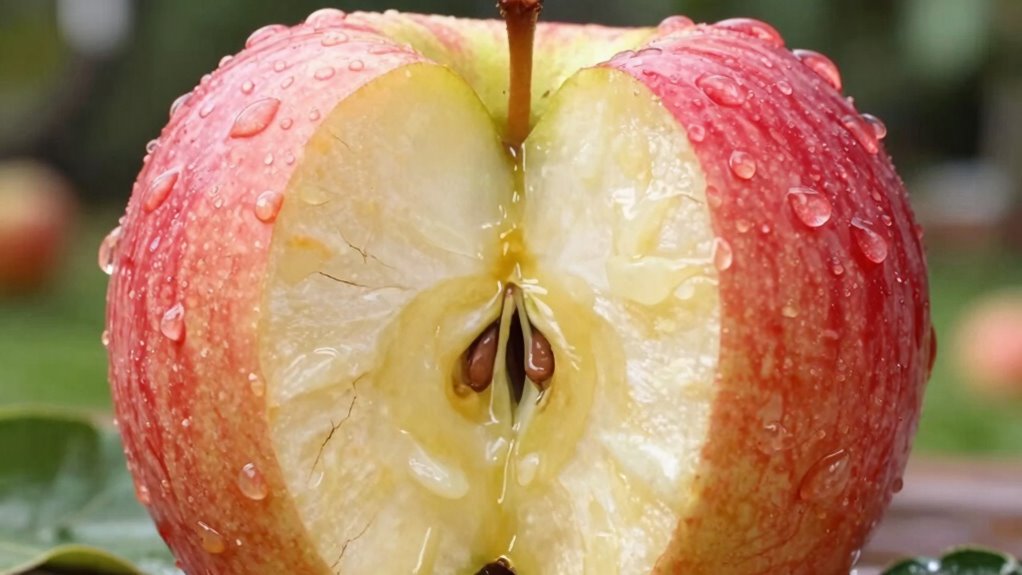
If you notice your fruit splitting open, it’s often due to inconsistent watering habits. When the soil experiences irregular moisture levels, your fruit undergoes rapid changes during ripening, which weakens its skin and causes it to split. This uneven watering disrupts the natural process of fruit ripening, leading to sudden expansion that the skin can’t withstand. As a result, the fruit cracks open, leaving it vulnerable to pests and diseases.
Fruit ripening is a delicate phase, and inconsistent watering throws off the balance your plants need. If the soil dries out completely and then is suddenly flooded with water, your fruit’s growth accelerates rapidly, causing internal pressure to build up faster than the skin can handle. This uneven expansion creates splits, especially in fruits like cherries, peaches, and plums. You might see these splits in late stages of ripening, when the fruit is at its most vulnerable. The cracks not only diminish the fruit’s aesthetic appeal but also open pathways for pests and pathogens. Pests like fruit flies, beetles, and ants are attracted to the exposed flesh, and once they invade, they can cause further damage, spreading diseases that compromise both the fruit and the plant.
To prevent this problem, you need to establish a consistent watering routine that keeps the soil evenly moist. Deep watering at regular intervals helps maintain stable moisture levels, reducing the chances of fruit splitting. Mulching around your plants can also help retain soil moisture and regulate temperature, providing a more consistent environment for your fruit to ripen naturally. Avoiding overwatering and underwatering is key—both can lead to stress and uneven growth. Additionally, understanding the importance of soil moisture management can significantly improve your watering practices and prevent fruit splitting. Proper watering techniques are essential for maintaining healthy, resilient fruit. Monitoring soil moisture with a simple tool like a moisture meter can help you fine-tune your watering schedule. This way, your plants won’t experience the sudden fluctuations that cause fruit splitting. When watering, aim for slow, deep watering rather than frequent shallow sprays, which can wash away nutrients and cause irregular growth. Being mindful of watering consistency ensures your fruits develop a stronger, more intact skin that can withstand ripening stresses.
Frequently Asked Questions
Can Overwatering Cause Fruit Splitting in All Fruit Types?
Overwatering can cause fruit splitting in many fruit varieties, but not all. When you water excessively, the fruit absorbs too much water, leading to rapid growth and skin stress. This is especially true for fruits with thin skins or those that swell quickly, like tomatoes or cherries. However, some fruit types are less susceptible because of their skin structure or growth patterns. Proper watering helps avoid these splits, maintaining healthy fruit development.
How Can I Prevent Fruit Splitting Without Changing Watering Routines?
To prevent fruit splitting without changing your watering routine, focus on maintaining a balanced fertilizer regimen to strengthen fruit skins. Regular pest prevention also helps reduce stress on plants, which can worsen splitting. Proper mulching and consistent soil moisture support healthy growth. These steps, combined with your existing watering habits, help keep fruit intact, ensuring a healthy harvest without altering your routine considerably.
Does the Timing of Watering Affect Fruit Splitting?
Yes, the timing of watering affects fruit ripening and moisture fluctuations, which can lead to splitting. If you water during fruit ripening, sudden moisture changes cause the fruit skin to crack. To prevent this, water consistently and avoid heavy watering just before harvest. Proper timing helps maintain steady moisture levels, minimizing fluctuations that cause fruit splitting, so your fruit stays intact and looks perfect.
Are There Specific Signs That Indicate Watering Is Causing the Problem?
Yes, you can notice signs like fruit splitting, which often indicates root stress or a nutrient imbalance caused by inconsistent watering. If your plants experience sudden fruit cracking or uneven growth, it’s a sign that watering habits are affecting their health. You might also see wilting or yellowing leaves, signaling root stress. Addressing these issues with regular, deep watering helps maintain nutrient balance and reduces fruit splitting.
Can Soil Type Influence Fruit Splitting Related to Watering?
Did you know that soil composition affects 60% of fruit splitting issues? Soil type definitely influences watering effects—clay soils hold water longer, increasing water retention, which can cause fruit to split. Sandy soils drain quickly, reducing water retention and lessening this risk. By understanding your soil’s composition, you can adjust watering practices to prevent fruit splitting, ensuring healthier, more uniform fruits.
Conclusion
Remember, your watering habits are like a gentle rain—too much, and you risk splitting your fruit; too little, and it may stay stunted. I once watched a neighbor’s peach split right in half because they overwatered. Just as a delicate glass can shatter with a sudden jolt, your fruit can split under inconsistent watering. Find that steady rhythm, and your fruit will stay whole, just like a perfectly balanced dance.
Fall Picks
fall essentials
As an affiliate, we earn on qualifying purchases.