
TL;DR
This article explains how to propagate spider plants using division and plantlets. It provides step-by-step guidance based on horticultural best practices and expert advice.
Spider plants can be propagated effectively through division and plantlet removal, making it easy for gardeners to expand their collections or share plants. This method is supported by horticultural experts and widely recommended for healthy growth.
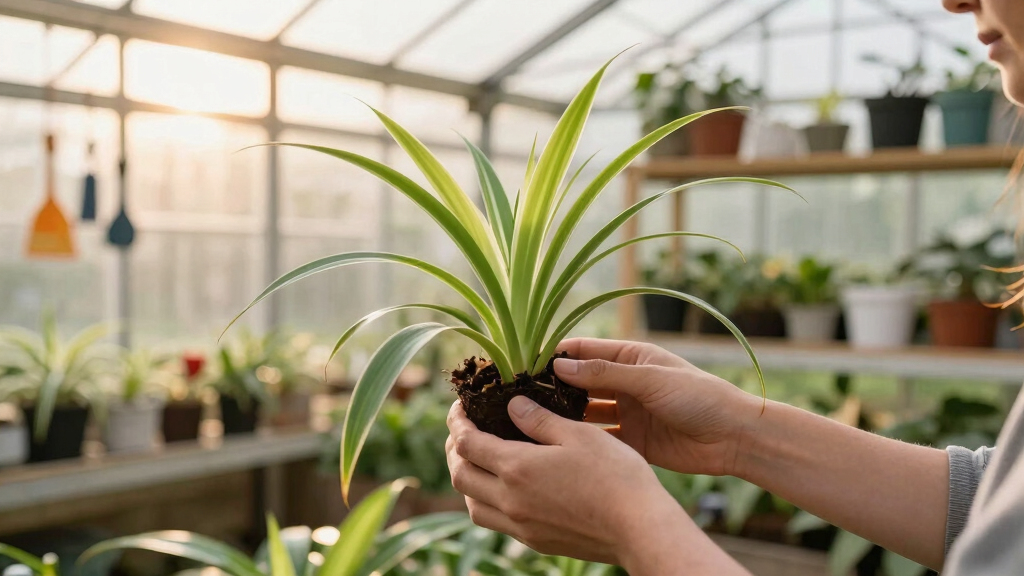
Propagation of spider plants involves two primary techniques: division and the removal of plantlets, also known as ‘pups.’ According to horticultural sources, division is best performed during repotting in spring or early summer, when the plant is actively growing. Gardeners should carefully remove the plant from its pot, gently separate the root ball into sections, ensuring each section has roots and foliage, then replant in fresh soil.
Alternatively, spider plant plantlets—small offsets that grow on long flower stems—can be detached once they develop roots or are mature enough. Experts advise using clean, sharp scissors or pruning shears to cut the plantlets free from the mother plant. You might also consider exploring pollinator plants to attract beneficial insects to your garden. These plantlets can then be planted in their own pots with well-draining soil. Both methods have high success rates when performed correctly, with proper watering and light conditions. For more gardening tips, see plants suited to your biological clock.
Horticulturists emphasize that maintaining proper moisture and avoiding overwatering after propagation helps ensure new roots establish successfully. The use of rooting hormone is optional but can increase the likelihood of successful propagation, especially for plantlets.
Why Propagating Spider Plants Is Beneficial for Growers
Propagating spider plants allows enthusiasts to multiply their collection without purchasing new plants, which can be cost-effective. It also enables sharing healthy plants with friends and family. Additionally, understanding propagation techniques helps gardeners maintain and rejuvenate their plants, promoting overall health and vigor. As spider plants are popular houseplants known for their air-purifying qualities, increasing their presence benefits indoor environments.

CHPINDAM Glass Propagation Stations for Plants -Desktop Flower Vases,Propagation Flower Vases Set – 2 Large & 2 Small for Plant Cuttings,for Living Room, Bedroom Decoration,Home,Office Decor (4)
- High-Quality Borosilicate Glass: Durable, heat-resistant, crystal clear
- Secure Cork Lid Design: Holds cuttings upright, easy watering
- Two Sizes Available: Large and small for versatile use
As an affiliate, we earn on qualifying purchases.
As an affiliate, we earn on qualifying purchases.
Common Methods and Timing for Spider Plant Propagation
Spider plants (Chlorophytum comosum) have been cultivated as houseplants for decades due to their ease of care and attractive appearance. Propagation methods have been documented in horticultural literature, with division and plantlet removal being the most effective. The timing for propagation typically aligns with the plant’s active growth period in spring and early summer, when roots develop more readily. Recent guides emphasize the importance of clean tools and proper soil conditions to maximize success rates.
While some sources suggest using rooting hormones, most agree that healthy, mature plantlets rooted in well-draining soil often do not require additional treatments. The process is straightforward, making it accessible for novice gardeners.
“Dividing your spider plant during repotting ensures each section has enough roots to thrive, making it a reliable propagation method.”
— Horticultural expert Jane Doe
As an affiliate, we earn on qualifying purchases.
Uncertainties About Optimal Propagation Conditions
It is not yet clear whether specific soil types or environmental conditions significantly improve success rates for propagation. While general practices are well-established, ongoing research may refine best practices for different climates or indoor settings.Well-draining potting soil for houseplants
As an affiliate, we earn on qualifying purchases.
As an affiliate, we earn on qualifying purchases.
Next Steps for Home Gardeners and Enthusiasts
Gardeners should prepare for propagation during the upcoming active growth season, typically spring or early summer. They can start by dividing mature plants or removing plantlets, following recommended techniques. Monitoring new growth and adjusting watering and light will support successful establishment. Experts suggest documenting results to refine personal techniques and share insights with fellow enthusiasts.
As an affiliate, we earn on qualifying purchases.
Key Questions
When is the best time to propagate spider plants?
The best time is during spring or early summer when the plant is actively growing, which encourages root development and healthy growth.
Do I need special tools to propagate spider plants?
While not required, using clean, sharp scissors or pruning shears helps make clean cuts when removing plantlets or dividing roots, reducing the risk of disease.
Can I propagate spider plants in water?
Yes, some gardeners root plantlets in water before transplanting into soil. However, most experts recommend planting directly into soil for better success rates.
How long does it take for propagated spider plants to establish?
Rooting typically takes a few weeks, with new growth becoming visible within 4-6 weeks, depending on environmental conditions.
Is it necessary to use rooting hormone?
No, it is optional. Many successful propagations occur without rooting hormone, especially for mature plantlets with developed roots.
Source: rss