
TL;DR

Get garden gear delivered free with Prime
- Fast, free delivery on millions of items
- Prime Video, Amazon Music and more included
- Member-only deals all year
Crabgrass is increasingly appearing in lawns across regions, driven by weather and soil conditions. Experts recommend targeted treatments and cultural practices to prevent its spread. The trend indicates rising interest in lawn care solutions.
Crabgrass is rapidly spreading across lawns in many regions, prompting homeowners to seek solutions to prevent it from overtaking their yards. Experts confirm that recent weather patterns and soil conditions are contributing factors, making control measures more urgent.
Crabgrass, a common annual weed, has seen a spike in reports of infestation this season, with many homeowners noticing patches of invasive grass taking over their lawns. According to horticultural specialists, warm soil temperatures and irregular watering patterns create ideal conditions for crabgrass germination and growth.
While the exact cause of the recent surge remains under investigation, early evidence suggests that unseasonably warm weather and delayed lawn maintenance may be key contributors. Lawn care experts emphasize that crabgrass thrives in disturbed soil and areas with weak grass coverage, making it a persistent problem for those neglecting early prevention.
Effective control methods include pre-emergent herbicides applied before crabgrass seeds sprout, as well as cultural practices such as proper mowing, watering, and fertilization to strengthen existing grass. Some homeowners are also turning to post-emergent herbicides for existing patches, though these require careful application to avoid damaging desirable turf.
Implications of Crabgrass Spread for Homeowners
The rising prevalence of crabgrass poses a significant challenge for lawn maintenance, as it can quickly dominate and weaken existing grass, leading to patchy, unattractive yards. If left unchecked, crabgrass can reduce turf health, increase weed management costs, and diminish property value. The trend underscores the importance of timely lawn care practices and awareness of environmental factors that favor weed growth.
As an affiliate, we earn on qualifying purchases.
Factors Contributing to Crabgrass Proliferation
Crabgrass is a warm-season weed that typically germinates when soil temperatures reach around 55°F to 60°F. Recent weather patterns have seen extended periods of unseasonably warm temperatures, which may accelerate germination. Additionally, irregular watering—such as drought stress followed by heavy rains—creates disturbed soil conditions conducive to crabgrass invasion.
Historically, crabgrass tends to appear in late spring or early summer, but this season’s early emergence has caught many gardeners off guard. Experts note that soil disturbance from construction or over-tillage can also create favorable conditions for crabgrass to establish quickly.
While some claim that climate change is influencing weed patterns, specific links to crabgrass outbreaks are still under study, and current reports are based on observable trends rather than confirmed causation.
As an affiliate, we earn on qualifying purchases.
Unconfirmed Causes Behind the Surge in Crabgrass
While weather patterns and soil conditions are suspected to be key factors, the precise reasons for the recent spike in crabgrass infestations remain unconfirmed. Researchers are still investigating potential links to climate variability, soil disturbance, and lawn management practices.
As an affiliate, we earn on qualifying purchases.
Recommended Actions for Lawn Owners and Ongoing Research
Homeowners are advised to apply pre-emergent herbicides early in the season and adopt cultural practices to strengthen their lawns. Researchers will continue monitoring environmental conditions to better understand the causes of the surge. Further guidance on effective control methods is expected as new data emerges.
lawn fertilizer for weed prevention
As an affiliate, we earn on qualifying purchases.
As an affiliate, we earn on qualifying purchases.
Key Questions
When should I apply pre-emergent herbicide to prevent crabgrass?
Apply pre-emergent herbicide before soil temperatures reach 55°F, typically in early spring, to effectively prevent crabgrass germination.
Can I remove crabgrass once it has appeared?
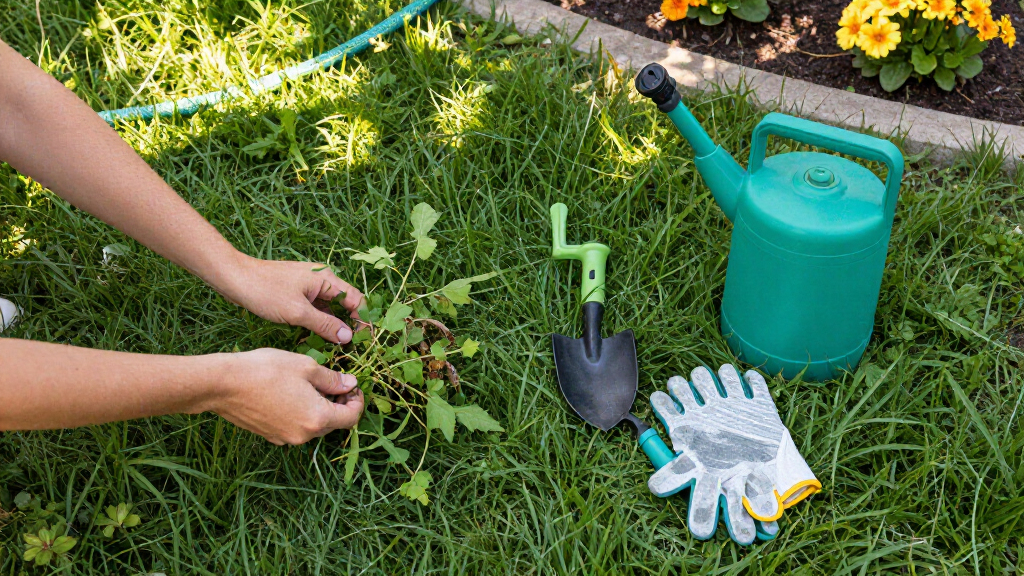
Yes, post-emergent herbicides can be used to target existing crabgrass, but they should be applied carefully to avoid damaging desirable turf. Manual removal is also an option for small patches.
What lawn care practices help prevent crabgrass?
Maintaining a healthy, dense lawn through proper mowing, watering, and fertilization reduces bare patches and soil disturbance, making it harder for crabgrass to establish.
Is climate change influencing crabgrass outbreaks?
Current observations suggest environmental factors like unseasonably warm weather play a role, but definitive links to climate change are still under investigation.
How long does it take for crabgrass to overtake a lawn?
Crabgrass can spread rapidly within a few weeks under favorable conditions, potentially overtaking large areas if not controlled early.
Source: rss
Fall yard work Picks
leaf blowers
As an affiliate, we earn on qualifying purchases.