
TL;DR
A gardening report says most trees should not be pruned in October because they have not yet reached dormancy. It identifies three exceptions for limited trimming: acers, birches and newly planted trees, with cuts focused on dead, damaged, diseased or crowded growth.
A gardening report from Ideal Home advises delaying most tree pruning in October, while allowing a light, targeted trim for acers, birches and newly planted trees when branches are dead, damaged, diseased or rubbing together. The advice matters because pruning at the wrong time can stress trees or expose them to sap loss and disease, according to gardening expert Gareth Mitchell.

Get garden gear delivered free with Prime
- Fast, free delivery on millions of items
- Prime Video, Amazon Music and more included
- Member-only deals all year
The report says October is generally too early for the main pruning season because trees have not yet entered dormancy. It describes dormancy as typically running from late autumn to late winter, and cautions that falling leaves do not necessarily mean a deciduous tree is ready for its annual cut. Apple trees, for example, are usually pruned in winter, the report says.
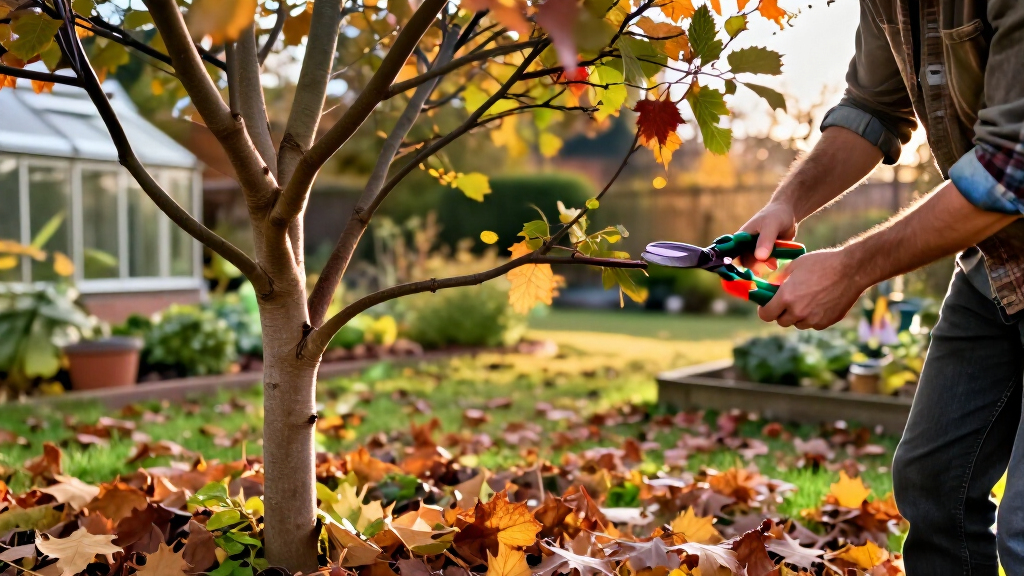
Mitchell, founder of Tree2MyDoor, recommends keeping any October work modest. The suggested focus is the “three Ds” — dead, damaged or diseased branches — rather than reshaping a tree or removing substantial healthy growth. Acers, including Japanese maples, can be checked for those branches before dormancy, although the report says they naturally have an attractive shape and need little pruning.
Birches are another limited exception. Mitchell says October can be a safer time to remove small dead or damaged branches than late winter or early spring, when birch sap flow is at its peak. He also advises removing crowded branches that rub against each other, which he says can provide entry points for insects and disease. Newly planted trees may need minor corrective cuts to remove broken growth or balance their shape, according to the report.
Why October Cuts Should Stay Light
The advice offers a practical distinction between checking trees and making major cuts. Gardeners can deal with clear damage on the three listed categories, but the report does not recommend treating October as a general pruning window. That distinction may help prevent unnecessary cutting while trees are still approaching dormancy.
Pruning affects a tree’s wounds, growth and exposure to seasonal conditions. Mitchell warns that badly timed work can lead to excessive sap loss or increase the risk of disease. For birches in particular, the timing guidance reflects the report’s claim that heavier pruning during peak sap flow can be problematic. The practical takeaway is to remove only what is needed and leave routine shaping for a more suitable season.
The recommendation is also relevant to newly planted trees, which may have broken or unbalanced growth after planting. The report supports minor corrective pruning in that situation, not a broad reduction of the canopy. It does not provide a universal schedule for every tree species or local climate, so readers should treat the advice as seasonal guidance rather than a rule covering every garden.
Products Worth Considering

EGO POWER+ Cordless Electric Leaf Blower (LB6151) with 2.5Ah Battery and Charger

HOOYEAH 6 x 6 ft Polycarbonate Walk-In Greenhouse

Weber Traveler Portable Propane Gas Grill with Wheels, Black
As an affiliate, we earn on qualifying purchases.
The Approach to Winter Dormancy
Ideal Home’s report frames October as early autumn, before the usual dormant-season window of late autumn to late winter. Some plants may be ready for attention as flowering and fruiting finish, but the report cautions that this timing does not automatically apply to trees. Different species can respond differently to pruning, making the type of tree and the amount removed relevant.
The report uses apple trees to illustrate the general caution: it says their preferred pruning period is winter, and an earlier cut may cause unnecessary stress. It contrasts that with birches, for which Mitchell says late winter and early spring bring peak sap flow. Acers are presented as trees that may be inspected for specific branch problems, not as trees that should routinely be pruned in October.
These recommendations are attributed to Mitchell in the Ideal Home article. They are seasonal gardening advice, not a report of a new regulation, formal horticultural standard or change in tree-care policy. The source material does not identify a particular year, regional weather conditions or a study underpinning the recommendations.
“Timing really matters when it comes to pruning.”
— Gareth Mitchell, gardening expert and founder of Tree2MyDoor, quoted by Ideal Home
Limits of the Seasonal Advice
The report does not specify how much growth can safely be removed, give pruning instructions for individual cultivars, or set different dates for different climates. It also does not identify the source of the advice beyond Mitchell’s comments, or cite research comparing October pruning outcomes across species. The recommended timing may need to be interpreted alongside local conditions and the tree’s health.
It is also not clear whether a tree with extensive disease, structural damage or a safety hazard should be treated differently from the light-trimming cases described. The article focuses on routine garden pruning and small branches; it does not establish guidance for major limbs, mature-tree work or urgent hazards. Readers facing those situations may need advice from a qualified tree-care professional.
Check Trees Before Making Cuts
The report’s practical next step is to inspect trees rather than begin broad pruning: look for dead, damaged, diseased or rubbing branches, and keep any necessary October cuts minor. Most routine pruning should wait until the appropriate dormant-season window for the species. The report gives no later update or announced follow-up; gardeners should check species-specific guidance and local conditions before deciding when to prune.
Key Questions
Which trees can be lightly pruned in October?
The Ideal Home report names acers, birches and newly planted trees as exceptions that may need a light, targeted trim. It does not recommend routine shaping or heavy pruning.
What branches should be removed?
The report recommends focusing on branches that are dead, damaged or diseased. For birches, it also mentions crowded branches that rub together. Newly planted trees may need broken growth removed or minor correction to their shape.
Why does the report advise against pruning most trees in October?
October is described as generally too early for the dormant season, which typically falls between late autumn and late winter. Mitchell says poorly timed pruning can cause excessive sap loss or increase disease risk.
When should apple trees be pruned?
The report says winter is the preferred period for pruning apple trees and warns that cutting them too early may cause unnecessary stress. It does not give a more specific date or regional schedule.
Is October a good time for heavy birch pruning?
No. The advice refers to removing small dead or damaged branches. Mitchell says birches are at risk of sap loss when heavily pruned in late winter or early spring, when sap flow is at its peak.
Source: rss