TL;DR
A growing trend shows gardeners repurposing old takeout containers for various gardening uses. Experts confirm these methods are effective and eco-friendly, though some specific techniques are still emerging. This trend highlights sustainable practices for small-space gardening enthusiasts.
Gardening enthusiasts are increasingly repurposing old takeout containers for garden use, according to recent social media trends. This practice, driven by sustainability and cost-saving motives, involves transforming disposable food containers into useful gardening tools and accessories. While this trend is gaining attention online, experts confirm that these methods are practical and eco-friendly, though some specific techniques are still being refined.
Multiple social media posts and gardening forums have highlighted the reuse of takeout containers for four main purposes: seed starting, composting, watering, and protecting plants. These containers, often made of lightweight plastic, are being cleaned and repurposed rather than discarded, aligning with growing interest in sustainable gardening practices.
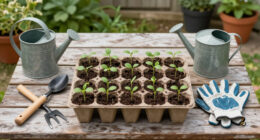
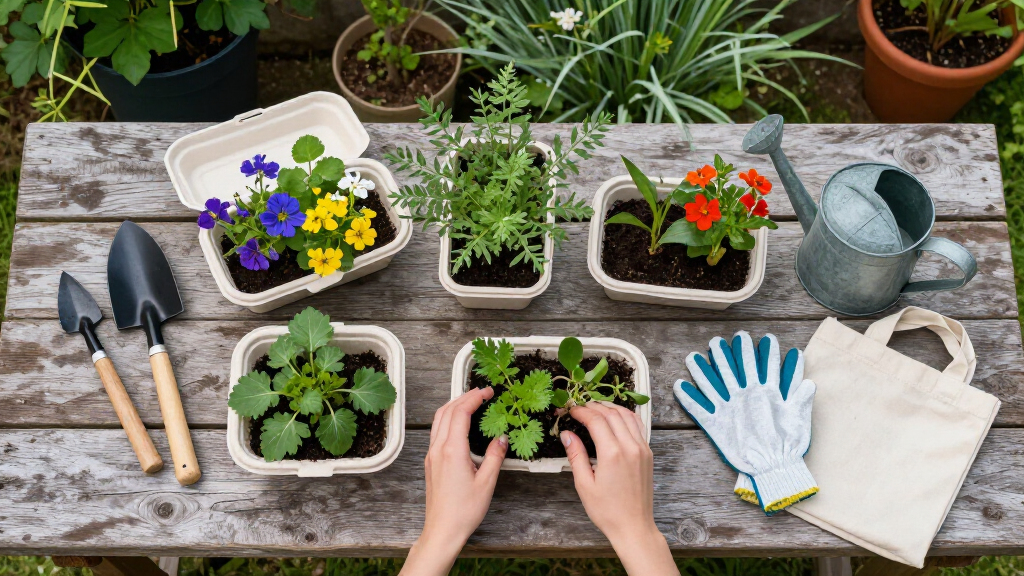
One common use is as seedling starters. Gardeners fill the containers with soil, plant seeds, and later transplant the young plants into larger beds, benefiting from the containers’ small size and portability. Another popular method involves using takeout containers as mini compost bins, allowing gardeners to compost kitchen scraps conveniently in small spaces.
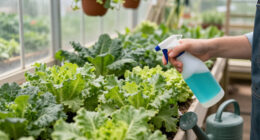
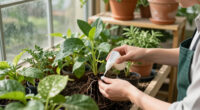
Additionally, some use these containers as watering devices, poking small holes in the lids to create drip irrigation systems, or as protective covers for young plants, shielding them from pests and harsh weather. Experts note that these adaptations can be effective, provided the containers are properly cleaned and free of food residues, which could attract pests or cause plant diseases.
Environmental Impact of Reusing Takeout Containers
This trend reflects a broader shift toward sustainable gardening practices, reducing plastic waste and encouraging reuse of disposable items. By repurposing takeout containers, gardeners can lower their environmental footprint and promote resourcefulness. The practice also offers cost savings for hobbyists and urban gardeners with limited space, making gardening more accessible and eco-conscious. However, the long-term safety and effectiveness of some methods remain under review, and experts advise proper cleaning and usage precautions to avoid pest attraction or contamination.seed starting containers for gardening
As an affiliate, we earn on qualifying purchases.
As an affiliate, we earn on qualifying purchases.
Growing Interest in Sustainable Gardening Trends
The use of household items like takeout containers in gardening is part of a larger movement toward eco-friendly and resource-efficient practices. While the trend is currently driven by social media sharing and community advice, it aligns with ongoing efforts to reduce plastic waste and promote circular use of materials. Historically, gardeners have reused containers for seedlings and composting, but the recent surge in online sharing has popularized specific methods and creative adaptations, especially among urban and small-space growers. The trend’s popularity appears to be accelerating, though detailed studies on the long-term impacts are limited.mini compost bin for kitchen scraps
As an affiliate, we earn on qualifying purchases.
As an affiliate, we earn on qualifying purchases.
Unconfirmed Details About Long-Term Safety
It is not yet clear whether prolonged use of takeout containers in gardening poses any health risks to plants or humans, especially concerning chemical leaching or pest attraction. While many users report positive results, scientific studies on the safety of repurposing disposable food containers for plant cultivation are limited. Further research is needed to confirm the long-term impacts and establish best practices.drip irrigation system for small gardens
As an affiliate, we earn on qualifying purchases.
As an affiliate, we earn on qualifying purchases.
Future Adoption and Research in Reuse Methods
Experts anticipate increased adoption of these techniques as more gardeners share their experiences online. Researchers may investigate the safety and environmental impacts of using takeout containers in gardening, potentially leading to official guidelines. Meanwhile, gardening communities are expected to continue experimenting with and refining these methods, expanding their use in urban and small-scale gardening settings.plant protective covers for seedlings
As an affiliate, we earn on qualifying purchases.
As an affiliate, we earn on qualifying purchases.
Key Questions
Are takeout containers safe to use in my garden?
Most experts recommend ensuring containers are thoroughly cleaned and free of food residues before use. However, the long-term safety regarding chemical leaching remains unconfirmed, so caution is advised, especially with edible plants.
Can I use any type of takeout container for gardening?
It is best to use containers made of food-grade plastics that are free of cracks or damage. Avoid containers with printed labels or indications of containing BPA or other chemicals that could leach into soil.
What are the best ways to clean takeout containers for reuse?
Wash thoroughly with hot, soapy water, scrubbing all surfaces, and rinse well. For added safety, some gardeners disinfect with a diluted vinegar solution or a mild bleach rinse, followed by thorough rinsing.
Will using takeout containers attract pests in my garden?
Proper cleaning and ensuring containers are dry before use can minimize pest attraction. Avoid leaving food residues or odors that could draw insects or rodents.
Are there environmentally friendly alternatives to takeout containers?
Yes, biodegradable pots, recycled paper or cardboard containers, and plantable seed-starting pots are eco-friendly options that can also be reused or composted after use.
Source: rss