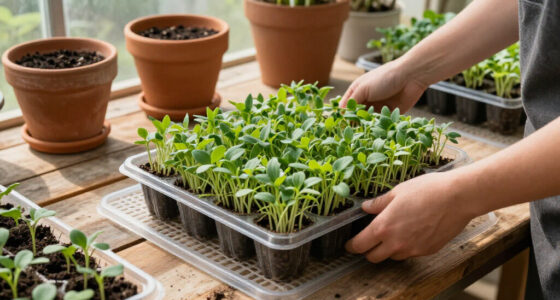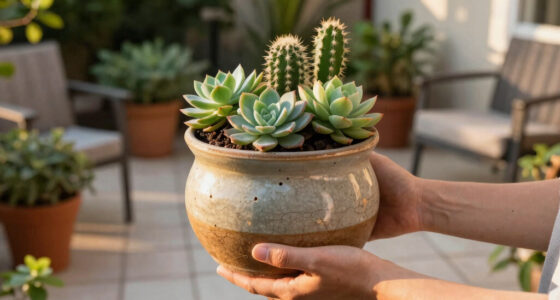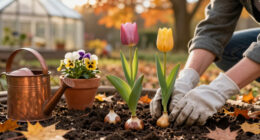
October planting is a race against the first frost, and the best flowers to plant in October are the ones that either tolerate cold soil or establish roots before winter dormancy. My best overall pick is the Home Grown Wildflower Variety Mix, because its 19 varieties give you a hedge against unpredictable fall weather — some will germinate now, others will wait for spring, and either way you get blooms. For instant results, the Costa Farms Purple Fall Mums are the only live plants in this lineup, delivering color the week you plant them instead of next season. The main tradeoff you’ll face is seeds versus live plants: seeds cost far less but demand patience and proper timing, while live mums look great immediately but won’t come back as reliably. Read on for the full breakdown.

Get garden gear delivered free — and shop member deals
- Fast, free delivery on millions of items
- Access to Prime Big Deal Days deals on October 6–7
- Prime Video, Amazon Music and more included
Key Takeaways
- Live plants and seeds solve opposite problems: the Costa Farms mums deliver instant October color while every seed option in this lineup is a bet on spring, which makes your first frost date the single biggest deciding factor.
- Wildflower and cool-season mixes outperformed single-variety seed packs for October planting because mixed germination timing hedges against an early freeze killing slow sprouters.
- Aster options dominated the perennial category — three of the nine products are New England Aster — but the larger-count packs only make sense if you’re planting a meadow-scale area rather than a border.
- Pansies are the strongest pick for containers and garden borders because they’re the only cold-hardy annual here that flowers in fall rather than waiting until next year.
- The Autumn Beauty Sunflower pack is the weakest fit for October specifically — sunflowers are warmth lovers — so it earns its place only in warm zones (roughly 8 and up) or as a spring-planning purchase.
| 600 New England Aster Heirloom Flower Seeds (Aster Novae-Angliae) |  | Best Overall for Fall Pollinators | Seed Count: 600 seeds | Plant Type: Perennial wildflower | USDA Hardiness Zones: 2-8 | VIEW LATEST PRICE | See Our Full Breakdown |
| 1000+ Mix New England Aster Flower Seeds – Perennial, Cold Hardy, Pollinator Friendly, Non-GMO Heirloom |  | Best Value for Large Fall Plantings | Quantity: 1000+ seeds | Plant Type: Perennial | Colors: Deep purple, pink, white, lavender | VIEW LATEST PRICE | See Our Full Breakdown |
| Home Grown Wildflower Variety Mix – 19 Varieties, 44,000 Seeds (2 oz) |  | Best for Blanket Coverage | Seed Count: 44,000 seeds | Weight: 2 oz | Varieties: 19 wildflower varieties | VIEW LATEST PRICE | See Our Full Breakdown |
| Pansy Seeds Mix for Planting – Cold Hardy Annual for Fall Planting, Containers & Garden Borders |  | Best for Beginners and Containers | Special Features: Cold Hardy, Deer Resistant, Low Maintenance, Attracts Pollinators | Sunlight Exposure: Full sun to partial shade | Planting Period: Spring/Fall | VIEW LATEST PRICE | See Our Full Breakdown |
| 500+ Chrysanthemum Flower Seeds for Planting – Heirloom Perennial Ground Cover Mix |  | Best for Classic Autumn Color | Seed Quantity: 500+ | Plant Type: Perennial flowering ground cover | Bloom Season: Late summer to fall | VIEW LATEST PRICE | See Our Full Breakdown |
| Costa Farms Purple Fall Mums, Live Outdoor Chrysanthemum Plants, 2-Pack in 3-Quart Pots |  | Best Instant Fall Impact | Brand: Costa Farms | Quantity: 2 live plants | Pot Size: 3 quarts (grower pot) | VIEW LATEST PRICE | See Our Full Breakdown |
| New England Aster Seeds, 500+ Purple Perennial Wildflower Seeds |  | Best for Late-Season Pollinators | Seed Quantity: 500+ | Flower Color: Purple with golden-yellow centers | Plant Type: Perennial wildflower | VIEW LATEST PRICE | See Our Full Breakdown |
| HOME GROWN Autumn Beauty Sunflower Seeds, 40 Seeds (Helianthus annuus) |  | Best for Fast, Dramatic Color | Seed Count: 40 seeds | Botanical Name: Helianthus annuus | Germination Time: 7-14 days | VIEW LATEST PRICE | See Our Full Breakdown |
| Survival Garden Seeds Cool Season Flower Seed Collection – 10 Heirloom Varieties for Spring & Fall Color |  | Best Variety Pack for Beginners | Varieties Included: 10, including pansy, sweet pea, snapdragon, calendula, alyssum, and ornamental kale | Seed Type: Heirloom, Non-GMO, Open-Pollinated, Untreated | Hardiness Zone: USDA 3-9 | VIEW LATEST PRICE | See Our Full Breakdown |
| flowers to plant in October | Plant Type |
|---|---|
| 600 New England Aster Heirloom | Perennial wildflower |
| 1000+ Mix New England Aster Fl | Perennial |
| Home Grown Wildflower Variety | — |
| Pansy Seeds Mix for Planting | — |
| 500+ Chrysanthemum Flower Seed | Perennial flowering ground cover |
| Costa Farms Purple Fall Mums | Chrysanthemum (perennial) |
| New England Aster Seeds | Perennial wildflower |
| HOME GROWN Autumn Beauty Sunfl | — |
| Survival Garden Seeds Cool Sea | — |
More Details on Our Top Picks
600 New England Aster Heirloom Flower Seeds (Aster Novae-Angliae)
For an October planting that pays off big, this single-variety aster packet stands out for its true fall bloom window — early to late autumn — rather than the summer-leaning mixes elsewhere in this lineup. Compared with the 1000+ Mix Aster packet, it trades variety for purity: every seed produces the same tall, purple, long-stemmed New England aster, which means a cohesive drift of color rather than a patchwork. The 600-seed count covers a serious bed, and cold stratification started in October aligns perfectly with the season — nature does the chilling for you over winter. The tradeoff is patience and control: expect an 8-week stratification period before germination, and once established, the rhizomes spread with real ambition.
Pros:- Genuine fall bloom season that delivers nectar when most gardens have gone quiet
- Long stems make it one of the few wildflower picks here that doubles as a cut flower
- Hardy across zones 2-8, one of the widest cold ranges in this roundup
- 600 seeds is generous for a single-variety packet
Cons:- Requires 8-week cold stratification before sprouting
- Spreads aggressively by rhizomes and reseeding
Best for: Pollinator gardeners in zones 2-8 who want a reliable, cold-stratified fall planting and don’t mind a self-sufficient spreader
Not ideal for: Small or tightly manicured beds — aggressive rhizome spread will overwhelm borders and neighbors
- Seed Count:600 seeds
- Plant Type:Perennial wildflower
- USDA Hardiness Zones:2-8
- Germination:Sprouts after 8-week cold stratification
- Sun Exposure:Full sun or part sun
- Bloom Season:Early to late fall
- Flower Color:Purple
- Attracts:Bees and butterflies
Our verdict“Buy this if you want a dedicated fall-blooming pollinator workhorse and have room for it to roam.”
1000+ Mix New England Aster Flower Seeds – Perennial, Cold Hardy, Pollinator Friendly, Non-GMO Heirloom
Where the 600-seed single-variety packet gives you uniformity, this mix goes the other direction: over 1000 seeds across purple, pink, white, and lavender asters for roughly the same effort. That makes it the smarter buy for anyone filling a meadow strip, roadside verge, or oversized border where a tapestry of tones reads better than a single hue. Cold hardiness down to zone 3 makes it a fit for northern gardeners who might find gentler options like the pansy mix marginal in deep-winter regions. The honest catch: as perennials, most plants won’t flower until year two, so an October sowing buys you foliage next spring and blooms the following autumn.
Pros:- 1000+ seeds easily covers three times the ground of the standard packet
- Four-color mix creates layered, naturalistic drifts
- Cold hardy to zone 3, tougher than most picks in this guide
- Non-GMO heirloom seed that can be saved and replanted
Cons:- Perennials may not bloom until the second year
- Mixed varieties mean uneven heights and bloom timing across the bed
Best for: Northern-climate gardeners covering large areas on a budget who can wait a year for blooms
Not ideal for: Anyone wanting flowers next season — perennials in this mix typically skip first-year flowering
- Quantity:1000+ seeds
- Plant Type:Perennial
- Colors:Deep purple, pink, white, lavender
- Cold Hardiness Zones:USDA zones 3-8
- Bloom Season:Late summer through fall
- Seed Type:Non-GMO, Heirloom
Our verdict“The volume play for big cold-climate plantings, as long as you’re planting for the future rather than next month.”
Home Grown Wildflower Variety Mix – 19 Varieties, 44,000 Seeds (2 oz)
This is the sledgehammer of the lineup: 44,000 seeds across 19 varieties covering up to 250 square feet — enough to convert an entire side yard, not just a bed. Compared with the aster-focused packets, the diversity here is the point: staggered bloom times mean something is flowering from summer straight through frost, rather than the concentrated fall show the asters deliver. It’s also explicitly rated for fall planting, which is why it earns a spot in an October guide at all. The tradeoffs mirror its scale — full sun is effectively mandatory for good performance, so shaded lots should look to the pansy mix instead, and the perennial components mostly wait until year two.
Pros:- 19 varieties with staggered bloom times stretch color from summer into fall
- Massive coverage per dollar for large-scale projects
- Drought tolerant and low maintenance once established
- Includes an online grow guide that helps first-timers avoid common sowing mistakes
Cons:- Full sun required for best results — poor fit for shaded sites
- Perennial varieties may not bloom until the second growing season
Best for: Homeowners converting a large sunny strip or meadow area who want season-long color from one packet
Not ideal for: Shaded properties or small courtyard gardens — full sun is required and 250 square feet of seed is overkill
- Seed Count:44,000 seeds
- Weight:2 oz
- Varieties:19 wildflower varieties
- Coverage:250 square feet
- Planting Season:Spring, Fall
- USDA Hardiness Zones:3-10
- Sunlight:Full sun to partial shade
- Blooming Period:Summer to Fall
Our verdict“The right call for a big, sunny, low-effort meadow project — overkill for anything under a few hundred square feet.”
Pansy Seeds Mix for Planting – Cold Hardy Annual for Fall Planting, Containers & Garden Borders
If the aster packets are a two-year project, pansies are instant gratification by comparison — this is the pick that flowers through light frosts, filling the exact gap October planting is meant to address. It’s better suited to container gardeners and border-fillers than the wildflower meadow mix, which would be absurd in a window box. The faced blooms give it ornamental polish the wilder options can’t match, and it tolerates partial shade, unlike the sun-hungry aster and coneflower mixes. Two honest limits: it demands regular deadheading to keep blooming, and it collapses in summer heat — this is a cool-season performer that needs replacing or reseeding annually.
Pros:- Blooms through light frosts in late fall, extending the season past most flowers
- Tolerates partial shade better than the sun-dependent wildflower mixes
- Showy faced blooms suited to pots, borders, and front-of-bed display
- Deer resistant and genuinely low maintenance for new gardeners
Cons:- Requires regular deadheading to maintain continuous blooms
- Performs poorly in hot summer weather
Best for: Container gardeners and beginners who want visible color this season with minimal skill required
Not ideal for: Hot-climate gardeners or anyone wanting a permanent perennial planting — pansies fade in heat and live one season
- Special Features:Cold Hardy, Deer Resistant, Low Maintenance, Attracts Pollinators
- Sunlight Exposure:Full sun to partial shade
- Planting Period:Spring/Fall
- USDA Hardiness Zone:3
- Soil Type:Loam
- Indoor/Outdoor Usage:Indoor, Outdoor
- Care Instructions:Water regularly; deadhead spent flowers
Our verdict“The easiest path to October-visible color in pots and borders — just accept it’s an annual commitment.”
500+ Chrysanthemum Flower Seeds for Planting – Heirloom Perennial Ground Cover Mix
Chrysanthemums are the defining October flower, and this packet delivers them as 500+ heirloom seeds in six colors — purple, orange, red, rose, yellow, and white — rather than the single-bloom live plants sold elsewhere. That’s the trade: seed-grown mums cost far less per plant than buying potted Costa Farms Fall Mums, but you sacrifice the instant, mound-shaped display and get variable bloom timing instead. Unlike the New England aster seeds, which happily cold-stratify outdoors over winter, these mums want an indoor start weeks before last frost, so October planting here means planning ahead rather than sowing directly. The payoff is a perennial that returns annually and doubles as a cut flower, with a rainbow range no mum at the garden center matches.
Pros:- Six-color rainbow mix broader than any single-variety pick in this guide
- Heirloom perennial that returns and fills in as ground cover year after year
- Works as both landscape color and cut flowers
- 500+ seeds supports mass planting along borders and walkways
Cons:- Requires indoor starting weeks before last frost — more setup than direct-sown asters
- Blooms confined to late summer and fall
- Flowering time varies by variety, so the display is uneven rather than synchronized
Best for: Gardeners who want homegrown mum color in six hues and will start seeds indoors for a permanent fall display
Not ideal for: Anyone wanting instant autumn impact — seed-grown mums can’t match the immediate show of live potted mums
- Seed Quantity:500+
- Plant Type:Perennial flowering ground cover
- Bloom Season:Late summer to fall
- Indoor Start:2-4 weeks before last spring frost
- Sun Exposure:Full sun to low light
- Soil:Well-drained
- Colors:Purple, orange, red, rose, yellow, white
Our verdict“Choose this over potted mums if you’d rather grow a permanent six-color mum patch than pay for instant seasonal pots.”
Costa Farms Purple Fall Mums, Live Outdoor Chrysanthemum Plants, 2-Pack in 3-Quart Pots
While every seed-based option in this roundup asks you to wait weeks or months for color, this 2-pack of live purple chrysanthemums delivers a finished fall display the day the box arrives. The generous 3-quart pots and 14-18 inch arrival height mean these mums look substantial on a porch or beside a walkway immediately — no germination gamble like the Autumn Beauty Sunflower Seeds, which need 60-80 days before the first bloom. Compared with the 500+ Chrysanthemum Flower Seeds option, you trade long-term garden establishment for instant seasonal impact, and that tradeoff is worth making if your goal is October curb appeal. The catch: these are living plants shipped in cool weather. Freezing temperatures in transit can damage them, so prompt unboxing and a sheltered spot matter more here than with any seed packet.
Pros:- Instant, display-ready blooms in large 3-quart pots
- Thrives in cool fall temperatures with weeks of color
- Flexible: display as-is or transplant into beds and containers
- Pairs naturally with pumpkins and harvest decor
Cons:- Live plants can be damaged by freezing temperatures during shipping
- Higher cost per plant than starting from seed
Best for: Homeowners who want full, blooming fall porch or entryway color right now without waiting on seeds
Not ideal for: Gardeners in cold-winter regions expecting hard freezes at delivery time — the live plants are vulnerable in transit
- Brand:Costa Farms
- Quantity:2 live plants
- Pot Size:3 quarts (grower pot)
- Arrival Height:14-18 inches
- Bloom Color:Purple
- Sunlight:Full Sun
- Plant Type:Chrysanthemum (perennial)
Our verdict“This is the pick for anyone who needs October color this weekend, not next spring.”
New England Aster Seeds, 500+ Purple Perennial Wildflower Seeds
New England asters fill a gap most fall plantings miss: reliable purple blooms right up to the first frost, exactly when pollinators run out of food. Unlike the Costa Farms Purple Fall Mums, which arrive as finished ornamentals, these 500+ heirloom seeds establish a perennial stand that returns yearly across USDA Zones 3-9 — a longer-horizon investment for garden beds rather than porches. The 48-inch stems also make this the better cutting-garden choice compared with the lower-growing options in the Cool Season Flower Seed Collection. Two honest tradeoffs: the packet includes no planting or germination instructions, so beginners will need to source that guidance themselves, and the advertised deer resistance only applies once plants are established — young growth in spring may still get browsed.
Pros:- Blooms from late summer through the first frost
- Attracts bees, butterflies, and hummingbirds
- Hardy perennial across USDA Zones 3-9
- Tall stems work well as cut flowers
Cons:- No planting or germination instructions included
- Deer resistance only develops after establishment
- First-year blooms arrive later than live-plant alternatives
Best for: Pollinator-minded gardeners in Zones 3-9 who want tall, frost-tolerant perennials that feed bees and butterflies into autumn
Not ideal for: First-time seed starters who need guided instructions — this packet ships with none
- Seed Quantity:500+
- Flower Color:Purple with golden-yellow centers
- Plant Type:Perennial wildflower
- Plant Height:Up to 48 inches
- Hardiness Zones:USDA Zones 3-9
- Seed Type:Non-GMO, open-pollinated heirloom
- Bloom Season:Late summer through first frost
Our verdict“The strongest option here for building a permanent late-season pollinator garden rather than a one-season display.”
HOME GROWN Autumn Beauty Sunflower Seeds, 40 Seeds (Helianthus annuus)
If October planting in your region means a warm-climate fall — or you’re planning ahead for a quick screen of color — Autumn Beauty is the fastest performer in this lineup. Germination takes just 7-14 days, and blooms arrive in 60-80 days, beating the New England Aster Seeds to flower by a wide margin even though asters ultimately become the more durable perennial. The mixed yellow, red, and orange blooms on 4-6 inch heads give a harvest palette no purple-dominant option here matches, and the seed heads double as bird feed or snacks. The real constraints are spatial: plants reach 5-8 feet tall, demanding full sun and well-drained soil, which rules out small patios and shaded beds where the Cool Season Flower Seed Collection‘s compact 18-inch varieties would fit comfortably.
Pros:- Fast germination in 7-14 days with blooms in 60-80 days
- Multi-colored yellow, red, and orange blooms
- Heat, drought, and pest resistant with minimal care
- Seeds usable for snacks and bird feed
Cons:- Requires full sun and well-drained soil
- Very tall plants (5-8 feet) overwhelm small spaces
- Small seed count of 40 limits coverage
Best for: Gardeners with sunny, spacious beds in warm-fall regions who want towering, multi-colored blooms fast
Not ideal for: Small gardens, containers, or partially shaded yards — the 5-8 foot height and full-sun demand are dealbreakers
- Seed Count:40 seeds
- Botanical Name:Helianthus annuus
- Germination Time:7-14 days
- Maturity Time:60-80 days
- Plant Height:5-8 feet
- Bloom Diameter:4-6 inches
- Seed Type:Non-GMO
Our verdict“Choose this for speed and spectacle in a large sunny plot; skip it if your October garden is compact or shaded.”
Survival Garden Seeds Cool Season Flower Seed Collection – 10 Heirloom Varieties for Spring & Fall Color
This collection solves the biggest weakness of single-variety packets like the New England Aster Seeds: with 10 heirloom varieties — pansies, snapdragons, sweet peas, calendula, alyssum, ornamental kale and more — one purchase layers height, texture, and fragrance across a whole bed. Where the aster packet ships with no instructions, every packet here carries variety-specific planting and seed-saving guidance, making this the most beginner-friendly seed option in the roundup. All ten varieties are non-GMO, open-pollinated, and untreated, so seed saving actually works season to season. The limitations are real, though: these are cool-season flowers, so gardeners in hot-summer climates get a narrow spring and fall window, and several varieties are annuals that need replanting each year — unlike the truly perennial aster stand.
Pros:- 10 diverse heirloom varieties for layered color and height
- Detailed variety-specific planting instructions on every packet
- Non-GMO, open-pollinated seeds suitable for seed saving
- High germination rate with low maintenance
Cons:- Limited to cool-season growing; poor fit for hot climates
- Annual varieties require replanting each season
- Requires more garden space than a single-variety planting
Best for: Beginner and hobby gardeners who want a diverse, instructions-included cool-season bed from a single purchase
Not ideal for: Gardeners in hot climates or those wanting self-sustaining perennials — many varieties need annual replanting
- Varieties Included:10, including pansy, sweet pea, snapdragon, calendula, alyssum, and ornamental kale
- Seed Type:Heirloom, Non-GMO, Open-Pollinated, Untreated
- Hardiness Zone:USDA 3-9
- Expected Plant Height:Up to 18 inches
- Sunlight:Full Sun
- Blooming Period:Spring to Fall
- Special Features:Fragrant, attracts pollinators, extended bloom time
Our verdict“The best all-in-one starting point for a varied fall bed — as long as your climate stays cool and you accept some annual replanting.”

How We Picked
I judged every option against one question: what will this actually deliver when planted in October? That meant scoring each product on cold tolerance and germination behavior first, since a seed that needs warm soil is nearly worthless in most zones by mid-autumn. I then weighed perennial versus annual performance, because perennials like aster and chrysanthemum use fall to establish roots and pay off next year, while pansies reward you in the current season. Seed count, packaging, and value per square foot covered separated the bulk packs from the small-envelope options.
The ranking also reflects versatility across climates and skill levels. Mixes ranked higher than single varieties because they tolerate regional variation better, and the live mums earned a top spot for being the only zero-patience option. Finally, I penalized products whose marketing fits fall planting but whose biology doesn’t — a real pattern with sunflower seeds sold in autumn collections.
| flowers to plant in October | Plant Type |
|---|---|
| 600 New England Aster Heirloom | Perennial wildflower |
| 1000+ Mix New England Aster Fl | Perennial |
| Home Grown Wildflower Variety | — |
| Pansy Seeds Mix for Planting | — |
| 500+ Chrysanthemum Flower Seed | Perennial flowering ground cover |
| Costa Farms Purple Fall Mums | Chrysanthemum (perennial) |
| New England Aster Seeds | Perennial wildflower |
| HOME GROWN Autumn Beauty Sunfl | — |
| Survival Garden Seeds Cool Sea | — |
Factors to Consider When Choosing Best Flowers To Plant In October
Choosing October flowers is less about picking pretty blooms and more about matching a plant’s biology to your calendar. These are the factors that actually change the outcome.Know Your First Frost Date Before Buying Anything
The single most common October planting mistake is buying seeds without checking when your first hard frost arrives. If you have six or more weeks before frost, seeds can germinate and establish. If frost is two or three weeks out, most seeds will sit dormant or rot, and live plants become your only reliable option. Gardeners in zones 3 through 6 often discover that mid-October is already too late for seed germination outdoors, while zone 8 and 9 gardeners still have a genuine growing window. Look up your zip code’s average first frost date before you order anything, because it determines whether this entire purchase category works for you.
Seeds Versus Live Plants: The Core Tradeoff
Seeds offer dramatically better cost per plant — a packet of aster seed can cover what a single 3-quart potted mum costs — but the payoff is deferred by months or a full year. Live plants buy you time you don’t have, which is why they matter more the later in October you’re shopping. The mistake I see most often is gardeners buying seeds in late October expecting fall color, then feeling cheated when nothing happens until May. Decide up front whether you want color this season or an investment in next year, because no product delivers both except cold-hardy annuals like pansies in mild zones. A mixed approach — live mums by the door, seeds in the beds — often works better than going all-in on one format.
Perennial Versus Annual: What Comes Back
October-planted perennials like aster, chrysanthemum, and many wildflower mix components use autumn to grow roots, then explode in spring without needing replanting. Annuals like pansies and sunflowers complete their life in one season, which means annuals demand repeat purchases every year. The tradeoff: perennials typically don’t bloom the first year from seed, testing your patience, while annuals deliver concentrated color fast. If you’re filling a permanent bed, perennials win on long-term economics. If you’re dressing up a porch or container for one season, annuals are the practical choice, and rebuying them is simply part of the plan.
Seed Count Versus Realistic Planting Area
Bulk packs of 40,000-plus seeds look like incredible value until you realize most home gardeners can’t prepare that much bare soil. Wildflower seeds need direct contact with disturbed soil — scattering them over existing lawn or mulch wastes the majority of the packet. Be honest about your square footage before choosing pack size: a 40-seed sunflower packet suits a small cutting patch, a 500-seed aster pack suits a border, and a 44,000-seed mix only makes sense for a quarter-acre meadow project. Oversized packs also lose viability in storage — most flower seeds drop meaningfully in germination rate after one or two years, so surplus seed isn’t a permanent asset.
Match the Plant to Its Actual Job
Pollinator support, ground cover, container display, and cut flowers each point to different picks, and using the wrong plant for the job wastes a season. New England aster is a pollinator powerhouse that blooms exactly when monarchs migrate, making it the ecological pick. Chrysanthemum ground cover mixes fill sparse beds cheaply but won’t give you the tight mounded look of nursery mums. Pansies are the container and border specialists, tolerating light frost and even bouncing back from snow in mild zones. Decide what you want the space to do — feed bees, cover ground, or look good by the front door — before comparing products, because the best choice varies completely by goal.
Watch for Fall Collections That Aren’t Really Fall Products
A recurring pattern in autumn seed marketing: collections labeled for fall that include warm-season species like sunflowers and zinnias. These aren’t scams exactly — the seeds are viable — but half the contents can’t be planted in October in most zones, which means you’re paying for varieties you’ll store until spring. Read the variety list on any collection before buying, and check whether the seller specifies fall planting or just fall packaging. Warm-zone gardeners get more leeway here, but if you’re in zone 6 or colder, a collection is only a fair deal if the majority of its contents are cold-hardy or perennial species.
Frequently Asked Questions
Is October actually too late to plant flower seeds?
Should I buy live mums or chrysanthemum seeds in October?
Do wildflower mixes really work when planted in fall?
Which of these options will survive winter in cold climates?
What’s the cheapest way to get a lot of October color next year?
Conclusion
The right pick here depends less on product quality and more on what you want October planting to accomplish. For best overall, the Home Grown Wildflower Variety Mix earns it through sheer versatility — its 19 varieties cover multiple climates, bloom windows, and soil conditions, making it the least risky bet for a real garden. For best value, the bulk New England Aster packs deliver hundreds of cold-hardy, pollinator-friendly perennials for the price of one nursery plant, ideal if you have meadow-scale space and patience. For the premium choice, the Costa Farms Purple Fall Mums are the only option that pays off immediately — instant, reliable fall color with zero germination risk, which is worth paying for if you’re decorating for the season.
For beginners, I’d point to the Pansy Seeds Mix: pansies are forgiving, fast to sprout, and tolerant of the mistakes new gardeners make with watering and timing. For specific needs, choose the Survival Garden Seeds Cool Season Collection if you want staggered spring and fall blooms from one purchase, and grab the Autumn Beauty Sunflower pack only if you’re in a warm zone or buying ahead for spring. Whatever you choose, order with your first frost date in mind — that single fact will shape your results more than any seed packet label.
Fall yard work Picks
leaf blowers
As an affiliate, we earn on qualifying purchases.