When heavy rain hits, water quickly seeps into the fruit’s skin, stretching it beyond its elastic limit and causing cracks. Sudden surges of water don’t give the fruit time to expand gradually, increasing the risk of surface fractures. These cracks not only reduce the fruit’s appearance and quality but also allow pests and diseases to enter more easily. To learn how to prevent this damage and protect your orchard, keep exploring effective strategies.

Get garden gear delivered free with Prime
- Fast, free delivery on millions of items
- Prime Video, Amazon Music and more included
- Member-only deals all year
Key Takeaways
- Rapid water influx from heavy rain stretches the fruit skin beyond its elastic limit, causing cracks.
- Sudden water surges prevent gradual fruit expansion, leading to surface cracking.
- Cracks increase vulnerability to pests and diseases, further damaging the fruit.
- Inadequate or inconsistent watering practices contribute to skin elasticity loss and cracking.
- Poor irrigation management during rain can result in water shock, increasing cracking risks.
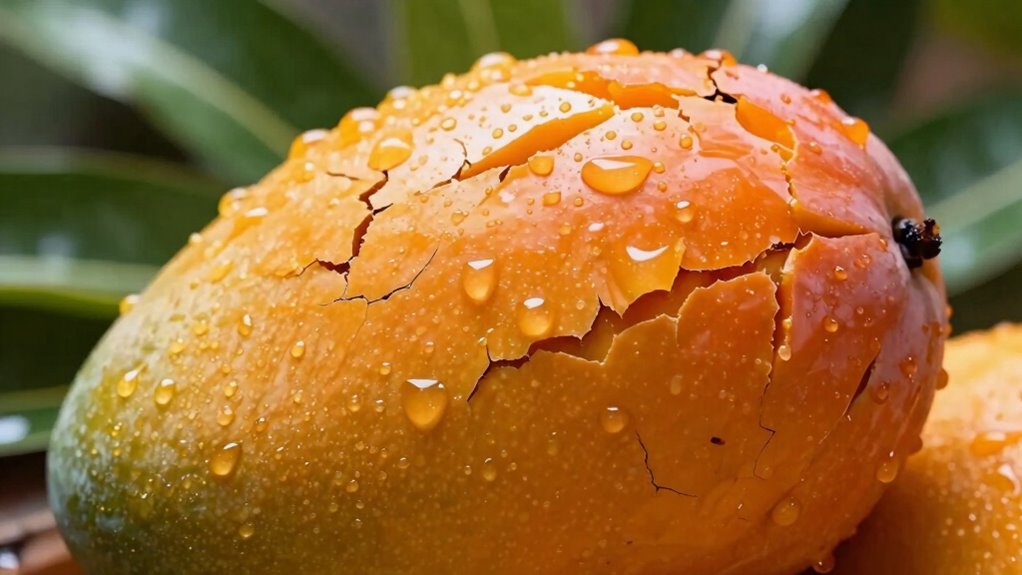
After a heavy rain, you might notice cracks forming on the surface of your fruit. These cracks aren’t just unsightly; they can also lead to increased vulnerability to pests and diseases, impacting both the quality and yield of your harvest. Understanding why this happens involves looking at how water interacts with your fruit and how you manage your orchard. One key factor is the way you handle irrigation techniques. When rain is heavy and sudden, the fruit’s skin can’t expand quickly enough to accommodate the rapid change in water intake. This sudden influx causes the skin to stretch beyond its limits, forming cracks. To prevent this, you need to adopt smarter irrigation techniques, such as drip irrigation or controlled watering schedules, which provide consistent moisture levels. These methods help avoid sudden surges of water that lead to cracking, allowing the fruit to grow at a steady, healthy pace. Additionally, understanding water interaction with fruit can help you develop better strategies to protect your crops.
Heavy rain causes fruit cracks, increasing pest risk; steady irrigation prevents damage and maintains fruit quality.
Moreover, pest prevention plays a critical role in protecting cracked fruit. Once cracks form, the fruit becomes an easy entry point for pests and pathogens, which can cause rot or further damage. If you’re not vigilant, pests like fruit flies or beetles can quickly infest the vulnerable fruit, reducing your harvest’s quality. Regular monitoring and employing integrated pest management strategies are essential. Using natural repellents, introducing beneficial insects, or applying targeted treatments can keep pests at bay and reduce the risk of disease spreading through those vulnerable cracks. Maintaining healthy, elastic fruit skin through proper fertilization can also decrease the likelihood of cracking during sudden water changes. Furthermore, understanding the role of proper fertilization can help keep the fruit skin resilient and less prone to cracking.
To minimize cracking, it’s also important to reflect on the timing of your watering. Just before expected rain, adjusting your irrigation so the soil isn’t overly saturated can help reduce the shock to the fruit. Mulching around the base of the trees can also help maintain consistent soil moisture, preventing rapid fluctuations that lead to cracking. Moreover, maintaining healthy, strong fruit by proper fertilization supports the skin’s elasticity, making it less prone to cracking during sudden water changes. Keep a close eye on weather forecasts and be ready to implement protective measures, such as covering the fruit or temporarily reducing water application, when heavy rain is forecasted. Additionally, understanding how water interacts with fruit can help you develop better strategies to protect your crops. Being aware of fruit skin elasticity and its role in preventing cracks can also enhance your overall orchard management.
Frequently Asked Questions
Can Fruit Cracks Affect Overall Crop Yield?
Yes, fruit cracks can affect your overall crop yield. These cracks often result from fluctuating soil moisture, which causes fruit deformation as they expand and contract. When rain increases soil moisture suddenly, fruits may develop cracks, weakening their structure and making them more susceptible to pests and diseases. This damage can reduce the quality and marketability of your harvest, ultimately lowering your total crop yield.
Are Some Fruit Varieties More Prone to Cracking?
Like delicate porcelain, some fruit varieties are more prone to cracking due to genetic susceptibility. You’ll notice that fruits with thinner, more fragile skin tend to crack more easily after rain or rapid growth. Citrus and cherries, for example, often fall into this category. Their skin struggles to stretch with sudden water intake, making cracking a common issue. Choosing resilient varieties or managing watering helps reduce this vulnerability.
How Long Does It Take for Cracks to Heal?
Cracks in fruit generally take a few weeks to heal, depending on the severity of crack formation and weather conditions. You should monitor the fruit’s healing process, as healthy fruit healing involves the skin sealing over the crack, preventing infection. To support fruit healing, keep the fruit in a cool, dry place, and avoid further crack formation by protecting it from rain and excessive moisture, which can worsen the damage.
Does Cracking Impact Fruit Taste or Nutritional Value?
Cracking may slightly alter the fruit’s texture, making it less smooth and more fragile, but it generally doesn’t impact taste or nutritional value considerably. However, cracks can expose the fruit to air and pathogens, leading to potential nutritional loss over time. You might notice a change in fruit firmness, but the nutritional content remains mostly intact if you consume it promptly. Always inspect cracked fruit before eating to verify freshness.
Can Cracking Be Prevented With Specific Watering Techniques?
Yes, you can prevent fruit cracking with proper watering techniques. Focus on irrigation timing—water consistently and avoid large fluctuations in soil moisture. Drip watering is especially effective because it provides steady, deep moisture directly to the roots, reducing stress on the fruit. By maintaining uniform soil moisture levels, you minimize rapid growth and cracking, ensuring healthier fruit and better crop quality.
Conclusion
Understanding why fruit cracks after rain helps you protect your crops better. When rain causes rapid water absorption, the fruit’s outer skin can’t keep up, leading to cracks. notably, studies show that cracked fruits can experience a 30-50% decrease in market value, highlighting the economic impact. By managing watering practices and choosing resistant varieties, you can reduce cracking and preserve both fruit quality and your profits. Stay vigilant and adapt your farming methods accordingly.
Fall Picks
fall essentials
As an affiliate, we earn on qualifying purchases.