TL;DR

Get garden gear delivered free — and shop member deals
- Fast, free delivery on millions of items
- Access to Prime Big Deal Days deals on October 6–7
- Prime Video, Amazon Music and more included
A Country Living report describes five ways to reuse suitable cardboard in the garden: suppress weeds, cover soil, make paths, line compost heaps and protect brassicas from cabbage root fly. Experts quoted in the report advise using plain, uncoated cardboard with tape and staples removed, and caution that cardboard’s effectiveness depends on how it is used.
Country Living has outlined five ways gardeners can reuse cardboard, including suppressing weeds, laying a simple garden path and adding carbon-rich material to compost. The report says plain, uncoated cardboard is the preferred material and advises removing tape, labels, plastic and staples before use.
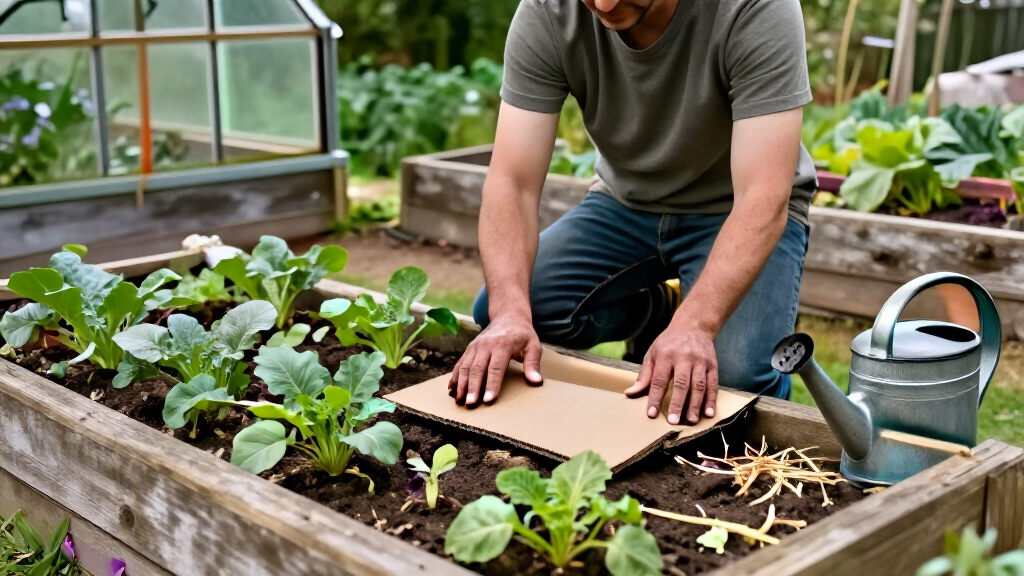
For weed control, the report recommends clearing large weeds, stones and thick stems, then laying overlapping sheets of cardboard directly on the soil. Wet the sheets so they stay in place and cover them with compost, shredded leaves, bark or another organic mulch. The overlap helps block gaps where weeds could grow through.
The other suggested uses are to cover soil while preparing a new flower or vegetable bed; place cardboard beneath woodchips or bark to form a path; and line gaps in a mesh or pallet compost heap so material does not fall out. Crumpled or shredded cardboard can also serve as a “browns” ingredient to balance green compost materials.
For brassicas, the report describes cutting a 6- to 8-inch-wide collar with a slit to fit around each plant’s base, as a way to help deter cabbage root fly. It says stones can hold collars down in windy areas. These are practical suggestions from the report, not a guarantee of pest control or a substitute for locally appropriate gardening advice.
Five Uses for Household Cardboard
These suggestions give gardeners a way to reuse some clean packaging rather than send it straight to the recycling stream, while putting it to work in beds, paths and compost heaps. Covering soil with cardboard and mulch can also reduce the need for digging when preparing an area, according to Loren Taylor, owner of Outdoor Fountains Pro, quoted in the report.
The advice has practical limits: the material needs to suit the job, and incorrect placement can cause problems. The report warns that thick layers may slow water movement and take longer to break down. Keeping cardboard away from plant stems and tree trunks is another key precaution.
As an affiliate, we earn on qualifying purchases.
Choosing and Preparing the Material
The report identifies plain brown cardboard with minimal printing as the best choice. Tom Schott, managing director of Schott Packaging, says boxes can be suitable once tape, labels and other packaging materials are removed. He advises against glossy, laminated, waxed or heavily coated cardboard because it is made to handle moisture differently from standard cardboard and may not break down as desired.
Autumn is highlighted as a useful time to cover empty beds. Schott says the season is suitable for saving boxes to cover beds or suppress weeds over winter. Taylor says the soil is still warm while weed growth is slowing, giving the cardboard time to soften and break down before spring. The report provides no publication date, so it does not establish whether autumn use is timely in every reader’s location.
““A few overlapping sheets are usually enough.””
— Loren Taylor, owner of Outdoor Fountains Pro, as quoted by Country Living
As an affiliate, we earn on qualifying purchases.
Limits of the Cardboard Advice
The report does not provide trial data comparing cardboard methods or quantify how much they reduce weeds, improve soil or deter cabbage root fly. Results may depend on the cardboard, the site and how it is applied. Its advice describes possible uses rather than assured outcomes.
The report also does not specify how long cardboard takes to break down under different conditions or identify a single suitable layer thickness beyond Taylor’s general advice that a few overlapping sheets are usually enough. Gardeners should avoid cardboard contaminated with oil, chemicals or unknown substances; Schott recommends recycling questionable packaging through the appropriate waste stream.
As an affiliate, we earn on qualifying purchases.
Before Reusing a Box
Gardeners considering these methods should first check that the cardboard is plain and clean, then remove tape, labels, plastic and staples. For a bed or path, lay it in overlapping pieces, wet it, and add the suggested mulch. Keep it from piling against trunks or stems, and avoid making the layer so heavy that water movement is impeded.
For compost, use clean crumpled or shredded cardboard alongside green materials, or line open sides of a mesh or pallet heap. For brassica collars, cut the stated width and secure the piece if wind is likely to dislodge it. The report gives no follow-up testing or new milestone; the outcomes will depend on garden conditions and the materials used.
As an affiliate, we earn on qualifying purchases.
Key Questions
What kind of cardboard is suitable for garden use?
The report recommends plain brown cardboard with minimal printing. Remove tape, labels, plastic and staples, and avoid glossy, laminated, waxed or heavily coated packaging.
How can cardboard be used to suppress weeds?
Clear large weeds and debris, lay overlapping cardboard sheets on the soil, wet them, then cover them with compost, leaves, bark or another organic mulch. The report says the cardboard blocks light from reaching weeds below.
Can cardboard go in a compost heap?
Yes. The report suggests using clean, crumpled or shredded cardboard as a “browns” material, or lining gaps in mesh or pallet compost heaps. Do not use cardboard that may be contaminated.
How wide should a cardboard collar for brassicas be?
The report suggests a collar 6 to 8 inches wide, with a slit to fit around the plant’s base. It is described as a way to help deter cabbage root fly, not as a guaranteed control.
Source: rss
Fall Picks
fall essentials
As an affiliate, we earn on qualifying purchases.