TL;DR

Get garden gear delivered free with Prime
- Fast, free delivery on millions of items
- Prime Video, Amazon Music and more included
- Member-only deals all year
A Grow Organic gardening guide describes yarrow (Achillea millefolium) as a sun-loving perennial grown for its finely divided foliage, flower clusters and value as a floral resource for visiting insects. It recommends well-drained soil, restrained watering and fertilizer, and monitoring the plant’s spread through underground rhizomes. The guide’s garden advice does not establish medical benefits or the safety of yarrow preparations.
Grow Organic’s yarrow guide outlines how gardeners can grow Achillea millefolium for its feathery foliage and flowers, which provide nectar and pollen for visiting insects. It advises planting the perennial in full sun and well-drained soil, while keeping an eye on its ability to spread through underground stems.
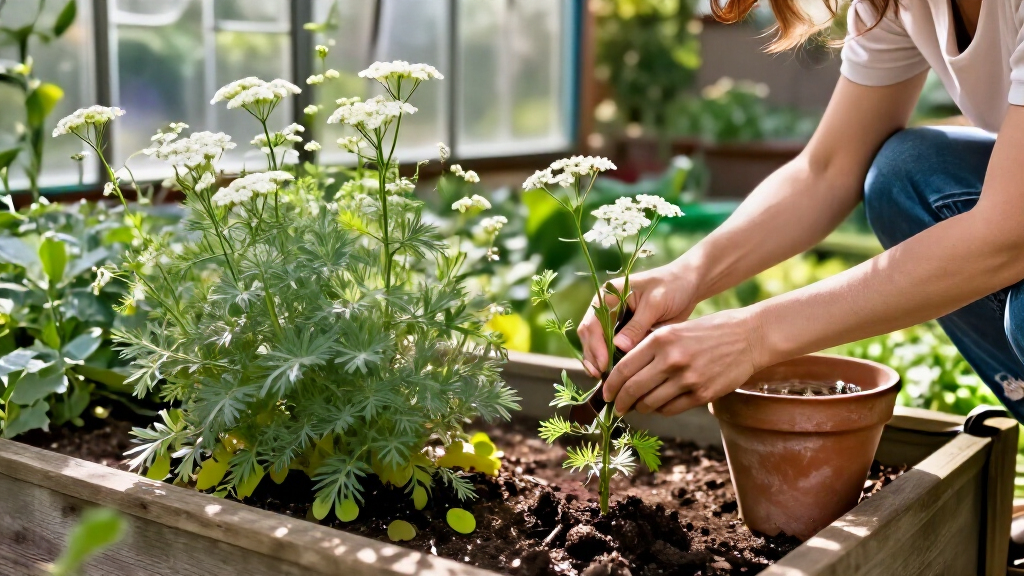
Yarrow is a member of the Asteraceae, or daisy, family. Its deeply divided green leaves give it a fine texture, while numerous small flower heads form broad clusters. The guide says flowering commonly occurs in summer, though timing varies by climate and plant selection. It also cautions that common names can be confusing: golden yarrow, Eriophyllum confertiflorum, is a different species, and botanical names should be checked when buying plants or seeds.
The flowers can be used in fresh arrangements or dried displays, and they attract bees, butterflies, hoverflies and lacewings. The guide presents these visits as a garden benefit, not proof that yarrow will control pests or increase vegetable yields. Its foliage can also contrast with broader-leaved plants and grasses in borders or meadow-style plantings.
For planting, Grow Organic recommends a sunny site with well-drained soil. Gardeners sowing seed should follow the packet instructions, avoid covering tiny seeds too deeply, and keep the seedbed moist while germination gets underway. Young plants still need water as they establish, but excess moisture can contribute to root problems. The guide also warns that overly rich growing conditions may lead to weak, floppy growth.
Yarrow’s Benefits Come With Spread
Yarrow can serve several garden roles at once: its flowers offer a resource for visiting insects, its foliage provides texture, and its stems can be cut or dried for display. Those qualities make it a possible fit for sunny borders and pollinator plantings, particularly where a gardener wants a perennial that needs relatively little fertilizer after establishment.
The same underground growth that helps yarrow persist can make it difficult to contain in a small bed. Its rhizomes can expand a planting, so choosing a suitable location matters. Gardeners can remove unwanted shoots and cut faded flower clusters before seeds disperse if they want to limit spread. These steps help manage growth, but the guide does not promise they will prevent it entirely.
As an affiliate, we earn on qualifying purchases.
Choosing the Right Yarrow
The guide distinguishes the common yarrow covered in its growing advice, Achillea millefolium, from golden yarrow, Eriophyllum confertiflorum. It also notes that North America has both native and introduced forms of common yarrow. A packet labeled simply “yarrow” does not necessarily indicate locally native seed, so buyers should check the species and seed origin when those details matter to their planting plans.
For established clumps, the guide suggests division in early spring when local conditions allow. Regular monitoring and removal of unwanted shoots can help keep a patch from crowding less vigorous perennials. Cut flowers may be removed for indoor use, while gardeners who want to leave floral resources in place can retain some blooms for insect visitors.
Yarrow also has a history in traditional medicinal practices, and people may encounter claims about its use for inflammation, antimicrobial effects or skin care. The source separates those topics from garden guidance: growing yarrow does not establish that a preparation is safe or effective. It advises asking a qualified healthcare professional about personal use and possible side effects.
“Yarrow grows best in full sun and well drained soil.”
— Grow Organic gardening guide
As an affiliate, we earn on qualifying purchases.
Limits of the Garden Advice
The source is a gardening guide, not a clinical review. It does not establish the effectiveness or safety of yarrow extracts, essential oils or other medicinal preparations, nor does it provide medical dosing advice. Questions about using the plant for health purposes require professional guidance.
Growing results also depend on local conditions and the particular plant or seed source. The guide does not give a publication date, a region-specific bloom calendar or a single spread rate that applies to all gardens. It notes that yarrow includes native and introduced forms in North America, but does not identify a suitable source for every location.
Well-drained garden soil for perennials
As an affiliate, we earn on qualifying purchases.
As an affiliate, we earn on qualifying purchases.
Monitor Growth Through the Season
Gardeners following the guide can start by checking the plant’s botanical name, seed origin and packet instructions, then choose a sunny spot with good drainage. During germination and establishment, they should provide appropriate moisture; after that, they can watch for signs of excess water, weak growth or shoots spreading beyond the intended area.
As plants mature, gardeners can divide crowded clumps in early spring where conditions permit, remove unwanted shoots, and trim faded flower heads before seed dispersal if limiting spread is a priority. Those who want cut or dried flowers can harvest stems for display, while leaving some blooms in the garden for visiting insects. People considering medicinal use should consult a qualified healthcare professional rather than treating ornamental garden advice as evidence of health benefits.
As an affiliate, we earn on qualifying purchases.
Key Questions
What is yarrow commonly grown for?
Yarrow is commonly grown for ornamental foliage and flower clusters, pollinator-friendly plantings, and fresh or dried floral arrangements.
Where should yarrow be planted?
The Grow Organic guide recommends full sun and well-drained soil. It cautions that excess moisture can contribute to root problems.
Does yarrow attract insects?
Its flowers provide nectar and pollen for visiting bees, butterflies, hoverflies and lacewings. The guide says insect visits do not guarantee pest control or higher vegetable yields.
How can gardeners manage yarrow’s spread?
Yarrow can expand through underground rhizomes. The guide recommends monitoring patches, removing unwanted shoots and cutting faded flower clusters before seeds disperse when limiting spread is important.
Is growing yarrow proof that it is safe to use medicinally?
No. The gardening guide does not establish the safety or effectiveness of yarrow extracts, essential oils or other preparations. It recommends asking a qualified healthcare professional about personal use and possible side effects.
Source: rss
Fall Picks
fall essentials
As an affiliate, we earn on qualifying purchases.