
TL;DR

Get garden gear delivered free with Prime
- Fast, free delivery on millions of items
- Prime Video, Amazon Music and more included
- Member-only deals all year
October is not automatically too late to seed bare lawn patches, but success depends on local conditions, grass type and time before a hard frost. The source report recommends checking that soil is at least 50°F and allowing about four to six weeks before expected frost; cool-season grasses are the suitable choice.
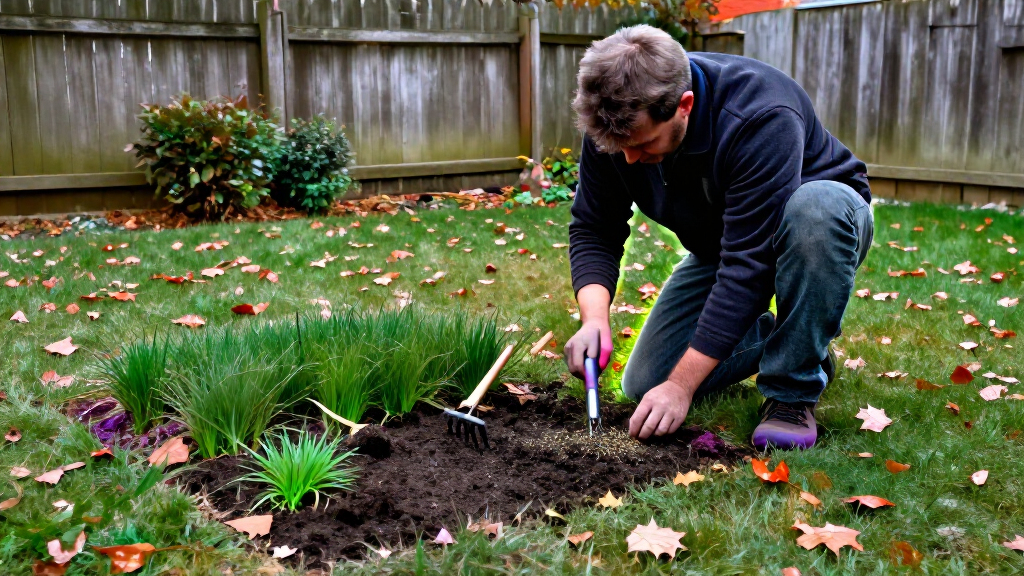
October can still be a time to overseed bare lawn patches, according to a Homes & Gardens report, but whether the seed will take depends on soil temperature, grass type and how soon a hard frost is expected. The guidance matters to homeowners hoping to repair thin or bare areas before winter: cool-season grasses may germinate in suitable conditions, while warm-season varieties are generally not suited to fall sowing.
The report says soil should be at least 50°F before sowing and recommends allowing roughly four to six weeks before the first expected hard frost so seedlings have time to establish roots. It also advises acting earlier in October rather than waiting, because soil and air temperatures continue to fall and the available growing period differs by region.
Recommended October choices include Kentucky bluegrass, ryegrass and fescues, which are cool-season grasses. The report cautions against seeding warm-season varieties such as St. Augustine, Bermuda and zoysia at this time; it says those grasses are better seeded in warmer conditions, usually in late spring or early summer.
For bare spots, the report’s practical advice is to check local forecasts and measure the soil rather than relying on the calendar or air temperature alone. Sow only when the ground is not frozen or waterlogged. Rainfall may provide enough moisture in many areas, but during unusually dry, warm weather the seedbed may need light, frequent watering to keep its surface moist.
A Short Window for Lawn Repairs
October seeding can give homeowners a chance to address bare spots before winter instead of waiting until spring, but the opportunity is weather-dependent and limited. Seed that germinates needs time to develop roots; seedlings emerging just before a hard freeze may not be established enough to survive winter, the report says.
That makes local conditions more useful than a general calendar rule. A lawn in a mild region may still have a suitable stretch of weather, while a colder location may already be near or beyond the practical window. Checking soil temperature and the frost outlook can help gardeners avoid spending time and money on seed unlikely to establish.
cool season grass seed for overseeding in fall
As an affiliate, we earn on qualifying purchases.
As an affiliate, we earn on qualifying purchases.
Temperature Sets the Seeding Window
The Homes & Gardens report draws on comments from lawn and gardening specialists. Guy Jenkins, consumer manager at Johnsons Lawn Seed, says October is not automatically too late and points to naturally higher moisture and soil that has retained warmth from summer. Jonathan Davis, a lawn expert at Lawnsmith, describes overseeding as a priority for October lawn care but says seed should go down before soil becomes too cool.
The report gives a general soil threshold of 50°F for germination and notes that some grass seed guidance puts the useful range at 50–60°F. It says cool-season grasses are commonly used in northern and transitional areas, whereas warm-season grasses need warmer soil. These are broad guidelines, not a guarantee for every lawn: local climate, site conditions and the particular seed product can affect results.
If the soil has become too cold for immediate germination but is not frozen, the report identifies dormant seeding as an alternative. Under that approach, seed remains inactive through winter and may sprout in spring. The report presents it as an option, not a promise of successful establishment.
“Soil temperature decides it, not the air.”
— Sourav Das of Yardener, as quoted by Homes & Gardens
lawn overseeding kit for bare patches
As an affiliate, we earn on qualifying purchases.
As an affiliate, we earn on qualifying purchases.
Local Frost Dates Remain Decisive
The report does not establish a single nationwide cutoff date for October seeding. Local soil temperature, forecast frost and grass variety remain decisive, and the guidance cannot say whether a specific lawn’s bare patches will fill in before winter without those details. It also does not provide a guaranteed watering schedule for every climate or soil type; moisture needs depend on rainfall and conditions at the site.
The four-to-six-week interval is presented as a rule of thumb, not a guarantee. The report also does not quantify how likely dormant-seeded grass is to emerge successfully in spring. Gardeners should follow the instructions on their chosen seed product and local horticultural guidance.
As an affiliate, we earn on qualifying purchases.
Check Soil Before Sowing
Homeowners considering October repairs should first check the forecast for the coming weeks and measure soil temperature with a soil thermometer. If soil is at least 50°F, the ground is neither frozen nor waterlogged, and several weeks remain before expected hard frost, the report says cool-season seed may still be sown. Starting sooner gives seedlings more time to establish.
After sowing, monitor rainfall and keep the seedbed’s surface moist without leaving it saturated. If the soil is already too cold for germination, dormant seeding may be considered while the ground remains unfrozen, with the expectation that growth may wait until spring. The next useful milestone is whether local temperatures stay within a suitable range long enough for seedlings to take hold.
As an affiliate, we earn on qualifying purchases.
Key Questions
Is October too late to plant grass seed?
Not necessarily. The Homes & Gardens report says October seeding can work when soil is at least 50°F and there is enough time before a hard frost. The suitable window varies by location and grass type.
How long before frost should I seed?
The report recommends allowing about four to six weeks before the first expected hard frost for seed to germinate and develop roots. This is a general guideline, not a guarantee.
Which grass seed should I use in October?
Use a suitable cool-season grass, such as Kentucky bluegrass, ryegrass or fescue, according to the report. Warm-season grasses including Bermuda, zoysia and St. Augustine are generally better suited to warmer-season sowing.
Should I water grass seed in October?
Rain may provide enough moisture in many areas. If conditions are unusually dry and warm, the report recommends light watering to keep the top layer of soil moist; follow the seed package guidance and avoid waterlogging.
What if the soil is already too cold?
The report describes dormant seeding as an alternative when soil is too cold for germination but not frozen. The seed may remain dormant through winter and sprout in spring, but the report does not guarantee the result.
Source: rss
Fall yard work Picks
leaf blowers
As an affiliate, we earn on qualifying purchases.