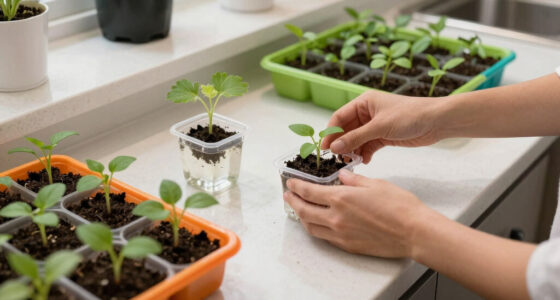
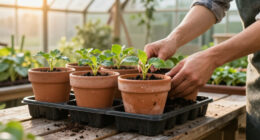
The best sustainable garden pots and trays balance lower-waste materials with the right size, durability, and growing method. I’d name the Burpee SuperSeed Reusable 36-Cell Tray best overall for gardeners who want a reusable alternative to disposable seed-starting cells; the Loongesho 120-cell set stands out for high-volume seed starting, while Gardzen fabric grow bags suit gardeners growing larger plants outdoors. The main tradeoff is between reusable plastic that can serve for multiple seasons, biodegradable peat pots designed to go into the ground, and fabric bags that need more frequent watering. Cell count, pot dimensions, and whether a product is genuinely reusable or compostable also affect how well it fits your routine. Read on for the full breakdown and a guide to choosing the right format for your space and plants.

Get garden gear delivered free with Prime
- Fast, free delivery on millions of items
- Prime Video, Amazon Music and more included
- Member-only deals all year
Complete the kit


Key Takeaways
- Reusable beats disposable for repeat seed starting: Burpee’s 36-cell tray is the clearest pick for gardeners who want a tray they can clean and use again rather than replenishing biodegradable pots each season.
- Cell count is a capacity choice, not a quality ranking: Loongesho, DANALLAN, Doubleggs, and the 240-cell kits offer many planting spaces, but large batches only help if you have room and time to manage them.
- Peat pots trade convenience for shorter useful life: They can be planted with seedlings, but they are not a durable, season-after-season alternative to reusable trays.
- Fabric grow bags fill a different role: Gardzen and VIVOSUN are for growing larger plants, not starting many seedlings; their breathable fabric also means watering needs can differ from rigid pots.
- Choose by plant size and growing stage: The clear nursery pots cover several diameters and include saucers, while Vayantgo’s 5-inch peat pots serve a narrower, larger-pot use than small-cell starter trays.
| Loongesho Biodegradable Seedling Starter Trays, 120 Cells, 10-Pack with 20 Labels and 2 Transplant Tools |  | Best All-in-One Biodegradable Starter Kit | Brand: Loongesho | Material: Biodegradable paper | Cell count: 120 | VIEW LATEST PRICE | See Our Full Breakdown |
| 60-Pack 3.15-Inch Biodegradable Peat Pots with Plant Labels |  | Best for Individual Small Seedlings | Quantity: 60 pots | Material: Peat, recycled pulp, and plant fibers | Pot diameter: 3.15 inches | VIEW LATEST PRICE | See Our Full Breakdown |
| 120 Pack 4-Inch Peat Pots – Garden Germination Nursery Pots |  | Best for Larger Seedlings and Bulk Starts | Brand: JNYONG | Count: 120 | Material: Recycled pulp paper | VIEW LATEST PRICE | See Our Full Breakdown |
| Omitgoter Biodegradable Seed Starter Tray with Peat Pots, Labels, and Tools |  | Best for Modular Planting Sections | Brand: Omitgoter | Material: Natural pulp | Unit count: 200 count | VIEW LATEST PRICE | See Our Full Breakdown |
| Burpee SuperSeed Reusable 36-Cell Seed Starting Tray |  | Best Reusable Alternative to Disposable Pots | Brand: Burpee | Cell count: 36 | Material: Food-grade silicone cells | VIEW LATEST PRICE | See Our Full Breakdown |
| DANALLAN Biodegradable Seed Starter Tray Kit, 240 Cells, 20 Trays |  | Best for High-Volume Seed Starting | Brand: DANALLAN | Material: Biodegradable paper | Cell count: 240 total | VIEW LATEST PRICE | See Our Full Breakdown |
| Clear Nursery Pots with Saucers, 20 Pack, 4, 5, 6, and 7 Inch |  | Best for Monitoring Roots | Brand: FUIJOL | Material: Plastic | Quantity: 20 pots | VIEW LATEST PRICE | See Our Full Breakdown |
| Doubleggs 120-Cell Seed Starter Tray Kit, 10 Pack |  | Best Seed-Starting Kit with Accessories | Brand: Doubleggs | Material: Wood pulp | Tray count: 10 | VIEW LATEST PRICE | See Our Full Breakdown |
| Gardzen 10-Pack 5-Gallon Fabric Grow Bags with Heavy-Duty Handles |  | Best for Outdoor Container Growing | Brand: Gardzen | Material: 300G thick nonwoven fabric | Capacity: 5 gallons per bag | VIEW LATEST PRICE | See Our Full Breakdown |
| Dalzom Biodegradable Peat Pots with Plant Labels, 60 Pots |  | Best Individual Pots for Transplanting | Material: 100% recycled pulp | Pot quantity: 60 | Label quantity: 60 | VIEW LATEST PRICE | See Our Full Breakdown |
| Vayantgo 5-Inch Biodegradable Peat Pots with Plant Labels, 10-Pack |  | Best Compact Starter Set | Brand: Vayantgo | Quantity: 10 pots | Pot dimensions: 5.1 x 3.94 x 5.1 inches | VIEW LATEST PRICE | See Our Full Breakdown |
| 240-Cell Seed Starter Tray Kit, 24 Pack |  | Best Value for Bulk Seed Starting | Brand: Sayehuanye | Total Cells: 240 | Tray Count: 24 | VIEW LATEST PRICE | See Our Full Breakdown |
| VIVOSUN 5-Pack 5-Gallon Fabric Grow Bags with Handles |  | Best Reusable Option for Root Health | Brand: VIVOSUN | Quantity: 5 bags | Capacity: 5 gallons (20 liters) each | VIEW LATEST PRICE | See Our Full Breakdown |
| sustainable garden pots and tray | Material | Brand |
|---|---|---|
| Loongesho Biodegradable Seedli | Biodegradable paper | Loongesho |
| 60-Pack 3.15-Inch Biodegradabl | Peat, recycled pulp, and plant fibers | — |
| 120 Pack 4-Inch Peat Pots | Recycled pulp paper | JNYONG |
| Omitgoter Biodegradable Seed S | Natural pulp | Omitgoter |
| Burpee SuperSeed Reusable 36-C | Food-grade silicone cells | Burpee |
| DANALLAN Biodegradable Seed St | Biodegradable paper | DANALLAN |
| Clear Nursery Pots with Saucer | Plastic | FUIJOL |
| Doubleggs 120-Cell Seed Starte | Wood pulp | Doubleggs |
| Gardzen 10-Pack 5-Gallon Fabri | 300G thick nonwoven fabric | Gardzen |
| Dalzom Biodegradable Peat Pots | 100% recycled pulp | — |
| Vayantgo 5-Inch Biodegradable | Pulp and plant fibers | Vayantgo |
| 240-Cell Seed Starter Tray Kit | Paper pulp | Sayehuanye |
| VIVOSUN 5-Pack 5-Gallon Fabric | 300 g nonwoven fabric | VIVOSUN |
More Details on Our Top Picks
Loongesho Biodegradable Seedling Starter Trays, 120 Cells, 10-Pack with 20 Labels and 2 Transplant Tools
Ten small trays, 120 cells, and transplant tools make the Loongesho set a practical choice for gardeners starting several kinds of seeds without buying accessories separately. Its paper cells can be planted with seedlings, avoiding the need to pull roots from a rigid pot, while drainage holes help shed excess water during indoor or outdoor starts. Compared with the 60-Pack 3.15-Inch Biodegradable Peat Pots, this kit offers more individual planting spaces and a more organized tray format; the peat-pot set gives each seedling a larger standalone pot. The Loongesho cells can also be separated or cut apart, which helps when seedlings are ready at different times. The tradeoff is size: 12 cells per tray leave less room for seedlings that need a longer start, and paper can soften or break down if kept wet for too long.
Pros:- 120 cells across 10 trays support a sizable seed-starting batch.
- Biodegradable cells can be planted directly with seedlings.
- Cells can be separated or cut into individual planting units.
- Includes 20 labels and two transplant tools.
Cons:- The 12-cell trays offer limited room for larger or longer-grown seedlings.
- Paper may soften or break down before transplanting if kept too wet.
Best for: Seed starters who want many small, labeled seedlings and included tools for moving them into garden beds.
Not ideal for: Gardeners raising larger seedlings or holding plants in pots for an extended period, since each cell is small and biodegradable paper weakens in persistently wet conditions.
- Brand:Loongesho
- Material:Biodegradable paper
- Cell count:120
- Tray count:10
- Cell configuration:12 cells per tray
- Dimensions:6.5 x 4.9 x 2.05 inches
- Included components:20 plant labels and 2 transplant tools
- Usage:Indoor and outdoor
Our verdict“Choose this kit for an organized, high-count start with useful accessories, but pick larger peat pots if seedlings need more room before planting out.”
60-Pack 3.15-Inch Biodegradable Peat Pots with Plant Labels
Sixty separate 3.15-inch pots suit gardeners who prefer to start each plant in its own container rather than manage connected cells. Made from peat, recycled pulp, and plant fibers, they can go into the soil with the seedling, reducing root disturbance at planting time. Four drainage holes per pot give water more paths out than the compact cells in the Loongesho Biodegradable Seedling Starter Trays, while the round shape is easy to arrange across a shelf or potting bench. This set is also a simpler pick than the 120 Pack 4-Inch Peat Pots if smaller starts and a lower quantity are the goal. The compromise is capacity: 3.15 inches is intended for small seedlings, and 50 labels do not cover all 60 pots.
Pros:- Individual pots are easy to arrange and move separately.
- Peat, recycled pulp, and plant fibers can be planted with seedlings.
- Four drainage holes support water flow and ventilation.
- Includes 50 plant labels for identifying most starts.
Cons:- The 3.15-inch diameter limits how long larger seedlings can stay in the pots.
- Only 50 labels are included for 60 pots.
Best for: Home gardeners who want separate biodegradable pots for small vegetable, herb, or flower seedlings and do not need a large batch.
Not ideal for: Growers raising bigger seedlings or wanting a label for every pot, since the pots are small and the set includes fewer labels than containers.
- Quantity:60 pots
- Material:Peat, recycled pulp, and plant fibers
- Pot diameter:3.15 inches
- Pot dimensions:3.15 x 2 x 3.15 inches
- Drainage holes:4 per pot
- Included labels:50
- Shape:Round
- Intended use:Outdoor nursery pots
Our verdict“Pick these for individually managed small seedlings; choose the larger JNYONG 4-inch pots when plants need more room before transplanting.”
120 Pack 4-Inch Peat Pots – Garden Germination Nursery Pots
Four-inch pots and a 120-count supply give this JNYONG set an advantage when seedlings need more space than compact cell trays or smaller peat pots provide. Each round pot has four drainage holes and can be planted directly in the garden, so roots do not need to be pulled free at transplanting. Compared with the 60-Pack 3.15-Inch Biodegradable Peat Pots, these offer a larger diameter and twice as many containers, making them a better fit for a broad planting plan or seedlings that stay indoors longer. The larger footprint also means they take up more room on a shelf. Their recycled pulp paper construction is biodegradable, but it can disintegrate if overwatered before planting, so they suit gardeners able to manage moisture rather than keep pots continually saturated.
Pros:- 120 pots provide a large supply for batch planting.
- Four-inch diameter gives seedlings more space than the 3.15-inch peat pots.
- Four drainage holes support water flow and ventilation.
- Biodegradable pulp pots can be planted directly into garden soil.
Cons:- Larger pots use more shelf and storage space than compact starter cells.
- Paper can disintegrate if overwatered before transplanting.
- The pot size is still intended for the seedling stage rather than long-term growing.
Best for: Gardeners starting a large batch of vegetables, herbs, flowers, or succulents that need more growing room before moving outdoors.
Not ideal for: Seed starters with limited shelf space or those who need durable pots for a long indoor growing period, especially if watering tends to be heavy.
- Brand:JNYONG
- Count:120
- Material:Recycled pulp paper
- Pot diameter:4 inches
- Dimensions:11 x 3.9 x 7 inches
- Shape:Round
- Weight:8 ounces
- Form:Nursery pot
Our verdict“Choose these for high-volume starts that need roomier biodegradable pots, provided you can manage moisture and accommodate their larger footprint.”
Omitgoter Biodegradable Seed Starter Tray with Peat Pots, Labels, and Tools
Cuttable natural-pulp sections are the defining reason to choose this Omitgoter set: gardeners can divide planting units as seedlings become ready, rather than move every cell together. Airflow and bottom drainage support seedling care, and the included T-type labels and starter tools make it a more complete kit than the 120 Pack 4-Inch Peat Pots, which supplies pots without listed accessories. Its indoor-and-outdoor use also gives it more flexibility than the indoor-focused Burpee SuperSeed Reusable 36-Cell Seed Starting Tray, though Burpee’s silicone cells are designed to be reused and flex for seedling removal. Omitgoter favors a disposable, soil-plantable format instead. The listed 10-cell tray configuration can mean more handling or multiple trays for a broad sowing plan, and the product data does not specify the exact number of trays.
Pros:- Natural-pulp material is designed to break down in soil.
- Sections can be cut into smaller planting units for staggered transplanting.
- Airflow and bottom drainage support seedling growth.
- Includes T-type labels and starter tools.
Cons:- Ten cells per tray may require multiple trays for larger planting batches.
- Biodegradable pulp is less suited to repeated use than the Burpee silicone tray.
- The provided product details do not state the number of trays in the set.
Best for: Gardeners who want biodegradable starter sections they can divide and plant in stages, with labels and tools included.
Not ideal for: People starting a very large batch in one compact setup or seeking a durable tray for repeated seasons, since the listed configuration is 10 cells per tray and the pulp is biodegradable.
- Brand:Omitgoter
- Material:Natural pulp
- Unit count:200 count
- Cell configuration:10 cells per tray
- Dimensions:2 x 10 x 2 inches
- Item weight:2 pounds
- Included components:T-type labels and starter tools
- Usage:Indoor and outdoor
Our verdict“Choose Omitgoter for divisible, soil-plantable starter sections and included tools, but favor Burpee if long-term reuse matters more than biodegradability.”
Burpee SuperSeed Reusable 36-Cell Seed Starting Tray
Reusable food-grade silicone cells make the Burpee SuperSeed the clearest choice here for gardeners who want to reduce repeat purchases of disposable starter pots. Its 36 flexible cells release seedlings by flexing the sides, which can make transplanting less awkward than removing roots from the fixed cells in the Loongesho Biodegradable Seedling Starter Trays. Drainage slots, watering channels, and a raised edge help manage water indoors; top-rack dishwasher-safe care also makes cleanup more straightforward between planting rounds. The sustainability tradeoff is different from the paper and peat options: this tray is designed for repeated use, but seedlings still need to be removed and transplanted rather than planted in their cells. Its 36-cell capacity is also smaller than the 120-cell Loongesho and JNYONG sets, so high-volume growers may need more than one.
Pros:- Reusable silicone cells offer a repeat-use alternative to paper and peat pots.
- Flexible cells help release seedlings for transplanting.
- Drainage slots and watering channels help manage water indoors.
- Top-rack dishwasher-safe care supports cleanup between planting rounds.
Cons:- Seedlings must be removed from the cells and transplanted; the tray cannot be planted with them.
- 36 cells provide less capacity than the 120-cell Loongesho and JNYONG options.
- Seeds, starting mix, and light are not included.
Best for: Indoor seed starters who want a washable, reusable tray and value flexible cells for releasing seedlings at transplant time.
Not ideal for: Gardeners who want to plant the starter container directly in the soil or need more than 36 starts in a single tray.
- Brand:Burpee
- Cell count:36
- Material:Food-grade silicone cells
- Tray dimensions:11.5 x 10⁻³/8 x 2-1/4 inches
- Color:Blue
- Features:Drainage slots, watering tray channels, raised perimeter edge, side handles, and alphanumeric row labels
- Care:Top-rack dishwasher safe
- Included components:Instruction manual and Plant-o-Gram diagram
Our verdict“Pick Burpee for a reusable indoor system with easy-release cells, but choose biodegradable pots if you want containers that go straight into the soil.”
DANALLAN Biodegradable Seed Starter Tray Kit, 240 Cells, 20 Trays
The DANALLAN kit suits gardeners who want to start many seeds in small, separate groups and plant the paper cells straight into the ground. Its 20 trays and 240 total cells offer twice the capacity of the 120-cell Doubleggs kit, while the included fork, dibble, and labels help organize sowing without sourcing extra tools. Breathable paper and drainage holes support early growth, and planting each cell with its seedling can reduce root disturbance.
The tradeoff is the compact 12-cell tray format: each cell may leave little room for seedlings that need a longer indoor start. Compared with Dalzom’s 60 individual peat pots, DANALLAN is a better fit for sowing in batches, but less suited to gardeners who want larger, separate pots. The listed item dimensions are 1 x 1 x 1 inches, so check sizing details before planning around tray footprint.
Pros:- Offers 240 cells across 20 trays for high-volume seed starting.
- Biodegradable paper trays can be planted with seedlings to reduce transplant disturbance.
- Breathable material and drainage holes support airflow and water drainage.
- Includes a fork, dibble, and plant labels.
Cons:- The 12-cell tray format may not provide enough room for larger seedlings.
- Listed dimensions of 1 x 1 x 1 inches do not give a useful full tray footprint.
- Paper trays may be less suited than reusable pots to repeated growing cycles.
Best for: Gardeners starting a large number of herbs, flowers, or vegetables in small batches and wanting plantable paper cells.
Not ideal for: Growers who need roomy pots for long indoor growing periods or clearly stated, larger tray dimensions.
- Brand:DANALLAN
- Material:Biodegradable paper
- Cell count:240 total
- Tray count:20 trays, 12 cells each
- Included accessories:Fork, dibble, and plant labels
- Drainage:Drainage holes
- Use:Indoor and outdoor
- Item weight:0.22 kg
Our verdict“Choose DANALLAN for high cell capacity and direct planting, but skip it if your seedlings need generous potting space.”
Clear Nursery Pots with Saucers, 20 Pack, 4, 5, 6, and 7 Inch
These FUIJOL pots are the lineup’s practical pick for gardeners who want to see what is happening below the soil. Clear sides make root growth visible, which can help with checking moisture and spotting when a plant is ready to move up. The set includes five pots each in four sizes, plus matching saucers, so it offers more size flexibility than the single-size Gardzen grow bags and a neater indoor setup than pots without water-catching trays.
That visibility comes with a sustainability compromise: the pots are plastic, not biodegradable or fabric-based. The description does not specify recycled content or a reuse lifespan, so this set makes the most sense if you plan to wash and reuse the pots. Its small-to-medium format is handy for orchids, succulents, and herbs, but not a substitute for larger containers for mature plants.
Pros:- Transparent sides make roots and growing conditions easier to inspect.
- Includes five pots each in 4-, 5-, 6-, and 7-inch sizes.
- Matching saucers catch excess water indoors.
- Drainage holes support water flow and airflow around roots.
Cons:- Plastic construction offers a weaker sustainability case than the paper, peat, and wood-pulp options.
- The set is intended for small-to-medium plants rather than larger specimens.
- Durability and recycled content are not specified.
Best for: Indoor plant keepers who want to inspect roots and choose among several small-to-medium pot sizes.
Not ideal for: Buyers prioritizing biodegradable materials, or gardeners who need containers for large, mature plants.
- Brand:FUIJOL
- Material:Plastic
- Quantity:20 pots
- Sizes:4, 5, 6, and 7 inches; five of each
- Included components:Matching trays or saucers
- Drainage:Drainage holes
- Shape:Round
- Use:Indoor and outdoor
Our verdict“Pick this set for visible roots and size variety if reusable plastic suits your priorities better than biodegradable pots.”
Doubleggs 120-Cell Seed Starter Tray Kit, 10 Pack
Doubleggs pairs biodegradable wood-pulp cells with a useful set of sowing and watering extras, making it the most outfitted seed-starting option in this group. The 120 cells across 10 trays are half the capacity of DANALLAN’s 240-cell kit, but the stated cell dimensions give buyers a clearer sense of the space available. Wood pulp can be planted with seedlings, and its softness allows roots to push through as the pot breaks down.
The accessory bundle—100 labels, two transplanting tools, and a foldable sprayer—makes this a strong choice for a new gardener setting up from scratch. In comparison, Dalzom offers 60 larger individual pots rather than many small cells. Doubleggs is better for sowing a range of seeds in batches; its 1.6 x 1.6 x 2-inch cells may be too small for seedlings that need a long indoor start.
Pros:- Wood-pulp cells can be transplanted directly into soil.
- Soft cell material allows roots to penetrate as it degrades.
- Includes 100 labels, two transplanting tools, and a foldable sprayer.
- Cells can be cut into smaller sections for flexible handling.
Cons:- Each cell measures only 1.6 x 1.6 x 2 inches, limiting room for developing roots.
- Its 120-cell capacity is lower than the DANALLAN 240-cell kit.
- Single-use biodegradable cells are less suitable for repeated seasons than reusable pots.
Best for: New or organized seed starters who want biodegradable cells, labeling supplies, transplant tools, and a sprayer together.
Not ideal for: Gardeners raising large seedlings or keeping starts in their cells for an extended period.
- Brand:Doubleggs
- Material:Wood pulp
- Tray count:10
- Total cells:120
- Cell dimensions:1.6 x 1.6 x 2 inches
- Tray dimensions:6.29 x 4.3 x 4.72 inches
- Included accessories:100 labels, two transplanting tools, and one foldable sprayer
- Use:Indoor and outdoor
Our verdict“Choose Doubleggs for an accessory-rich, biodegradable starter set, provided your seedlings fit its compact cells.”
Gardzen 10-Pack 5-Gallon Fabric Grow Bags with Heavy-Duty Handles
Gardzen’s grow bags stand apart from the seed-starting trays and small biodegradable pots: they are built for raising plants outdoors in larger volumes. Each 5-gallon bag uses breathable, BPA-free nonwoven fabric, which supports drainage and airflow rather than holding roots in a rigid container. Reinforced handles are especially useful when a bag needs repositioning, while the washable, foldable design makes seasonal storage easier than storing hard-sided pots.
This is the lineup’s strongest fit for outdoor container growers, but it is not a replacement for seed cells such as DANALLAN or Doubleggs. Those kits help germinate many seedlings; Gardzen gives established plants more room. Its sustainability case rests on washable, reusable fabric rather than biodegradability, and the bags are listed for outdoor use only. At 10 inches tall, they may also be too shallow for plants that need deeper rooting space.
Pros:- Breathable fabric supports drainage, airflow, and air pruning.
- Each bag holds 5 gallons for established container plants.
- Reinforced handles help with moving filled bags.
- Washable and foldable construction supports reuse and compact storage.
Cons:- Designed for outdoor use, limiting its fit for indoor growing.
- The 10-inch height may not suit plants needing deeper root space.
- Unlike biodegradable seed pots, the fabric does not go into the ground with the plant.
Best for: Outdoor gardeners who want reusable, breathable containers for vegetables or other plants suited to 5-gallon bags.
Not ideal for: Indoor growers, seed starters seeking small cells, or plants that need deeper containers than the listed 10-inch height.
- Brand:Gardzen
- Material:300G thick nonwoven fabric
- Capacity:5 gallons per bag
- Quantity:10 bags
- Dimensions:12.8 inches diameter x 10 inches height
- Weight:16 ounces
- Features:Aeration, drainage, air pruning, and reinforced handles
- Use:Outdoor
Our verdict“Choose Gardzen for reusable outdoor containers with good airflow, not for seed starting or deep-rooted plants.”
Dalzom Biodegradable Peat Pots with Plant Labels, 60 Pots
Dalzom’s set is a straightforward choice for gardeners who prefer one seedling per pot rather than managing trays of small cells. It includes 60 round pots made from 100% recycled pulp and an equal number of labels, with drainage holes and a design intended for planting directly into the ground. Compared with Doubleggs’ 120-cell kit, Dalzom supplies fewer growing spaces but gives each seedling an individual pot, making it easier to separate starts at transplant time.
The pots measure 3.1 inches across the top and 3 inches tall, so they offer more room than the compact Doubleggs cells but still have limits. They are not a good match for seedlings that need a long indoor growing period or substantial root space. The recycled-pulp construction keeps the emphasis on planting and decomposition, while Gardzen’s fabric bags are the better choice for reusable containers intended to hold established outdoor plants.
Pros:- Made from 100% recycled pulp and designed to biodegrade in soil.
- Individual pots can be planted directly with seedlings to reduce root disturbance.
- Drainage holes support water flow.
- Includes 60 plant labels for identifying starts.
Cons:- The 3.1-inch top diameter limits room for larger or longer-term seedlings.
- Provides 60 pots, fewer planting spaces than the 120-cell Doubleggs kit.
- Biodegradable pots are not intended as reusable containers.
Best for: Gardeners who want individually potted flower, herb, or vegetable seedlings that can be planted directly into the ground.
Not ideal for: Growers raising large seedlings, keeping starts indoors for a long time, or seeking reusable pots for multiple seasons.
- Material:100% recycled pulp
- Pot quantity:60
- Label quantity:60
- Pot dimensions:3.1-inch top diameter, 2-inch bottom diameter, 3-inch height
- Label size:4 x 0.8 inches
- Shape:Round
- Drainage:Drainage holes
- Use:Indoor and outdoor
Our verdict“Pick Dalzom for labeled, individual seedlings that will move into the ground, but choose larger containers for extended growth.”
Vayantgo 5-Inch Biodegradable Peat Pots with Plant Labels, 10-Pack
This set offers a tidy introduction to biodegradable pots. With just 10 pots and matching labels, it suits gardeners who want to trial a few seedlings without committing to a bulk purchase. The 5-inch oval shape gives roots more room than the smaller 3.15-inch pots found in other starter packs, and the breathable pulp material prevents overwatering. However, because the pots are disposable and the oval shape may not fit standard tray inserts, this pick works best when you plan to plant directly into the ground. Compared with the 240-cell tray kit, this set is far less efficient for mass sowing, but it’s easier to manage for a beginner. The included labels are a small convenience that saves you from buying them separately.
Pros:- Biodegradable pots plant directly into soil, reducing root disturbance
- Breathable pulp and drainage holes help prevent overwatering
- 5-inch size supports healthy seedling growth
- Plant labels included for easy identification
Cons:- Pots are single-use and will degrade, so they can’t be reused
- Oval shape may not fit standard rectangular seed trays
Best for: Home gardeners starting a handful of vegetable or flower seedlings indoors and transplanting directly into garden beds
Not ideal for: Gardeners sowing large quantities of seeds — 10 pots won’t stretch far, and the oval shape complicates tray organization
- Brand:Vayantgo
- Quantity:10 pots
- Pot dimensions:5.1 x 3.94 x 5.1 inches
- Pot shape:Oval
- Material:Pulp and plant fibers
- Color:Brown
- Included components:10 plant labels
- Special feature:Biodegradable
- Usage:Indoor and outdoor
Our verdict“If you only need a small batch of biodegradable pots with labels, this compact set gets the job done simply and affordably.”
240-Cell Seed Starter Tray Kit, 24 Pack
For gardeners who start dozens of seedlings each season, this kit delivers an impressive 240 cells across 24 trays. Each tray holds 10 cells, and the paper-pulp construction lets you plant the entire tray directly into the soil, which saves time during transplanting. The kit also includes 24 labels and two transplanting tools, so you’re not hunting for extras. That’s a clear advantage over the Vayantgo set, which only offers 10 pots and no tools. The tradeoff is that the trays are smaller — each cell is roughly 2 inches deep — so they’re better for short-season crops than for tomatoes or peppers that need deeper rooting. Also, paper pulp softens when wet, so you’ll need to handle trays carefully after watering. But for the sheer volume of seeds you can start at once, this kit is hard to beat.
Pros:- 240 cells across 24 trays allow large-scale seed starting
- Biodegradable trays can be planted directly into the ground
- Includes 24 planting labels and 2 transplanting tools
- Drainage holes in each tray help prevent waterlogging
Cons:- Each cell is relatively shallow, limiting root depth for larger plants
- Paper-pulp trays soften when wet and need careful handling
- 24 separate trays take up more bench space than a single large flat
Best for: Vegetable gardeners who want to start hundreds of seedlings efficiently and appreciate having labels and tools included
Not ideal for: Gardeners growing deep-rooted plants like tomatoes or those who prefer reusable containers — these trays are meant to be composted
- Brand:Sayehuanye
- Total Cells:240
- Tray Count:24
- Cells per Tray:10
- Material:Paper pulp
- Dimensions:4.13 x 10 x 2 inches
- Drainage:One drainage hole per tray
- Included Components:24 planting labels, 2 transplanting tools
- Indoor/Outdoor Use:Indoor and outdoor
Our verdict“If you’re sowing a big batch of seeds and want a complete kit with tools, this 240-cell set offers the most value per dollar.”
VIVOSUN 5-Pack 5-Gallon Fabric Grow Bags with Handles
Fabric grow bags have become a staple for gardeners who want to avoid root circling, and VIVOSUN’s version stands out for its reinforced handles and thick 300g nonwoven fabric. The breathable material promotes air pruning, which encourages a denser root system — something you won’t get from plastic pots or even the biodegradable pulp trays. Unlike the Vayantgo and Sayehuanye pots, these bags are reusable for years if you clean and store them properly. The handles are serger-stitched and can support a full 5-gallon bag of soil, making it easy to move plants around. The main drawback is that fabric dries out faster than plastic, so you’ll need to water more frequently, especially in hot weather. Compared with Gardzen’s similar grow bags, VIVOSUN’s thicker fabric offers better durability, though both work well for container gardening.
Pros:- Breathable nonwoven fabric prevents root circling and promotes air pruning
- Reinforced serger-stitched handles support heavy soil loads
- BPA-free and safe for edible plants
- Reusable for multiple seasons with proper care
Cons:- Fabric dries out quickly, increasing watering frequency
- Black color absorbs heat, which may stress roots in hot climates
- Requires periodic cleaning to prevent salt buildup
Best for: Container gardeners growing vegetables, herbs, or flowers in 5-gallon sizes who want reusable, breathable pots that promote healthy roots
Not ideal for: Gardeners who prefer low-maintenance watering — fabric bags require more frequent irrigation than plastic or glazed ceramic pots
- Brand:VIVOSUN
- Quantity:5 bags
- Capacity:5 gallons (20 liters) each
- Material:300 g nonwoven fabric
- Color:Black
- Shape:Cylindrical
- Handle Design:Reinforced, serger-stitched handles
- Usage:Indoor and outdoor
- BPA-Free:Yes
Our verdict“For long-term container gardening with better root health, these VIVOSUN grow bags are a smart investment.”
How We Picked
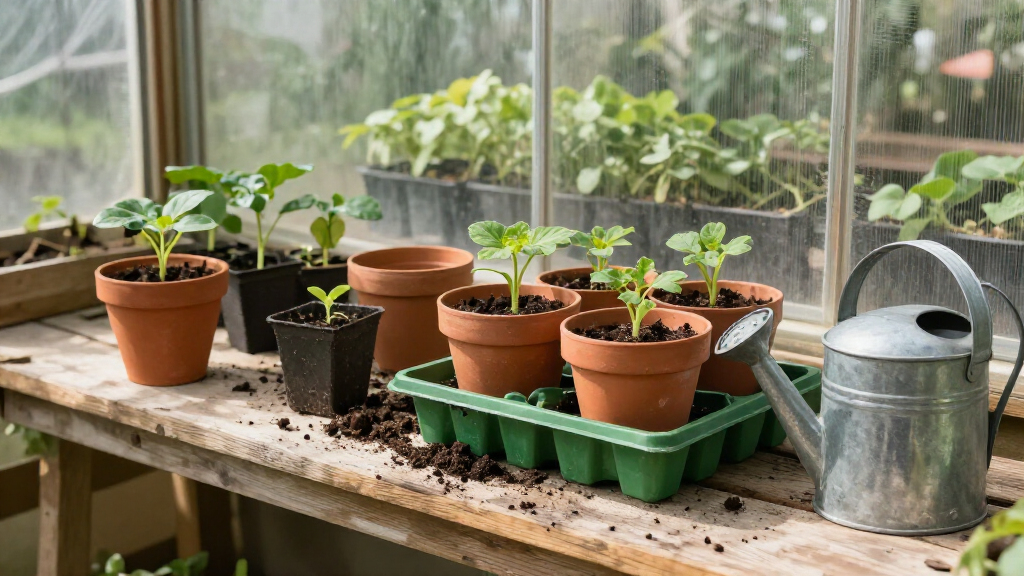
I compared the 13 options by the kind of waste they can reduce, their intended growing stage, and how well their format fits a typical home garden. Reusability mattered because a tray that can be cleaned and stored has a different sustainability profile from a pot intended for one transplant. I also looked at practical usability: cell or pot size, included accessories, drainage and water management cues, and whether the product is suited to seedlings, established plants, or outdoor container growing.
The ranking favors products with a clear role and useful tradeoffs rather than treating the largest pack as automatically best. Burpee leads for repeat use; high-cell-count kits rank well for gardeners who need volume, but less well for small spaces or modest sowing plans. Peat pots make sense when direct transplanting is the priority, while fabric bags and clear nursery pots serve different stages and needs. Product descriptions alone do not establish compostability, recycled content, or multi-season lifespan, so I avoid treating sustainability claims as interchangeable and recommend checking care and disposal guidance before buying.
Factors to Consider When Choosing Best Sustainable Garden Pots And Trays
Before choosing a pot or tray, match its material and format to what you grow and how often you grow it. A larger pack can create more waste if you do not use it, while a biodegradable label does not automatically mean every pot will break down quickly in every garden. These factors help make the sustainability tradeoffs more practical.
Choose Reuse or Plant-in-Pot Convenience
Start by deciding whether you want to wash and store containers or put the container into the soil with the seedling. Reusable trays can reduce repeated purchases when they hold up through cleaning and storage, but they need space between seasons and careful handling. Biodegradable peat pots avoid removing a seedling from its container, though they are generally a short-term growing tool rather than a durable pot. Check whether the product’s instructions call for tearing or soaking the pot before planting, since a slow-degrading wall can restrict roots. If you want a low-waste routine, count the number of seasons you expect to reuse a tray rather than judging by its material alone. Pick peat pots for transplant convenience, not on the assumption that they are always the more sustainable choice.
Match Cell Count to Your Real Sowing Plan
A 120- or 240-cell kit sounds efficient, but each cell represents a seedling that needs light, water, space, and eventually potting on or planting out. High cell counts suit gardeners raising many small seedlings or several varieties at once; they can overwhelm a beginner with more plants than the garden can accommodate. Smaller trays make it easier to track a manageable batch and may fit better under a limited grow light. Estimate how many plants you can actually grow, then allow a few extras for seeds that fail to sprout. Do not assume that a larger cell count means larger seedlings: cell dimensions and depth matter too. For larger seeds or plants that stay in their starter container longer, choose roomier pots rather than simply adding more small cells.
Check Pot Dimensions Against the Planting Stage
Product names can emphasize pack size while leaving the more useful question—how large each container is—easy to miss. Small starter cells work for early growth but may need transplanting sooner, while 4- or 5-inch pots give seedlings more room and take up more shelf space. Consider the seed’s mature size and how long it will remain indoors before planting outside. If you are buying several pot sizes, plan where each batch will sit and whether the larger containers fit your trays or watering area. For established plants, nursery pots and grow bags have different jobs: a nursery pot is easier to move and pair with a saucer, while a fabric bag is intended for outdoor growing. Avoid buying a large quantity of one size until you know it matches your usual crops.
Account for Watering and Drainage
Container material changes how quickly moisture leaves the growing medium, so the same watering schedule may not work across a mixed collection. Fabric grow bags allow airflow through their sides, which can help manage root conditions but often calls for closer watering attention than a less breathable container. Peat pots can also lose moisture through their walls, particularly in warm or dry conditions. Rigid nursery pots with saucers make it easier to catch runoff, though standing water in a saucer can create its own problems if left unchecked. Before filling a full kit, test one or two containers and check how quickly they dry in your space. This is especially useful if you garden in a hot, windy location or cannot water daily.
Treat Sustainability Claims as Specific, Not General
Terms such as biodegradable, reusable, and fabric describe different attributes; none alone tells the whole story of a product’s environmental impact. Biodegradable does not automatically mean home-compostable, and breakdown can depend on material, moisture, and local composting conditions. Reusable containers have more value when you clean them without damaging them and keep them for multiple growing cycles. Fabric bags may last beyond one season, but check care instructions and store them dry if they are meant to be reused. For any product, look for clear material and disposal information rather than relying only on a short label. Buying only the number and sizes you can use is also a practical way to avoid unused containers.
Decide Whether Accessories Earn Their Space
Kits may include labels, tools, saucers, or multiple trays, but accessories are useful only when they solve a problem in your setup. Plant labels help when you sow several varieties with similar-looking seedlings; they add little if you are growing one clearly identifiable crop. Transplant tools can be handy for repeated seedling work, though a small kit is not a substitute for checking whether trays fit your existing shelf or watering setup. Saucers help contain runoff indoors, but they also add storage bulk and should not become reservoirs of stagnant water. Compare what you already own before choosing a bundle. A simpler set that fits your routine can be a better low-waste purchase than a larger kit with accessories left unused.
Frequently Asked Questions
Are biodegradable peat pots a more sustainable choice than reusable seed trays?
Not automatically. Peat pots are designed for short-term use and may reduce the need to remove a seedling from its container, while a reusable tray can serve through multiple growing cycles if it is cared for and stored well. The better fit depends on whether you will reuse the tray and whether the peat pots can break down in your disposal or planting conditions. Check product material and disposal instructions rather than treating “biodegradable” as a guarantee of home compostability. For gardeners starting seeds every year, a durable reusable tray may avoid repeated purchases; for a one-time transplanting need, peat pots may be more convenient.
How many seed cells should I buy if I am new to starting plants?
Choose a cell count based on the number of seedlings you can actually grow under your available light and space, not the maximum number the kit can hold. A high-capacity kit such as a 120- or 240-cell option can be useful for a large garden, but it may create an unwieldy batch for a first season. A smaller, manageable sowing plan makes it easier to label, water, and transplant seedlings at the right time. Start by listing the crops and quantities you want, then add a modest margin for seeds that do not sprout. You can expand your setup later once you know your routine.
Can I use fabric grow bags for seed starting?
You can grow plants in fabric bags, but their size and purpose usually make them better suited to larger plants and outdoor container growing than to starting many small seeds. Seed trays use space more efficiently and keep seedlings grouped while they are young. Fabric sides allow airflow and water loss, so seedlings in bags may need closer moisture checks than those in rigid containers. If you want to move a seedling from a starter tray to a grow bag, check that the bag’s capacity suits the plant’s mature size and your available outdoor space. Do not buy a multipack of large bags just to start a few seedlings.
What should I check before buying a large multi-pack of pots?
Verify the individual pot dimensions, total quantity, and intended growing stage; a pack count alone does not tell you whether the containers fit your seeds or shelves. Check how many plants you plan to grow and whether the set includes pieces you already own, such as labels or saucers. For biodegradable pots, look for clear material and disposal instructions. For reusable trays or fabric bags, check cleaning, storage, and care guidance so you can judge whether they suit repeated use. Buying a smaller quantity first can prevent a surplus of containers that do not match your garden.
Do I need saucers for nursery pots or trays?
Saucers are useful when containers sit indoors or on a surface that should stay dry, since they catch water draining from the pot. They are not a replacement for good drainage, and water should not be left standing around roots for long periods. Outdoors, saucers may be unnecessary if the pots sit where runoff can drain freely, though local surfaces or balconies may call for them. Check whether your growing area can accommodate the saucer’s diameter as well as the pot. If you already have compatible trays or drainage-safe outdoor space, a bundle with extra saucers may add clutter without much benefit.
Conclusion
For most gardeners who want a sustainable seed-starting routine, I’d choose the Burpee SuperSeed 36-cell tray as the best overall because its reusable format favors repeat seasons. The best value for high-volume sowing is a 120-cell kit such as Loongesho when you will use the cells and have room for the seedlings; for a smaller budget of space and effort, the 36-cell Burpee tray is the more practical value. Best for beginners is Burpee as well, since a smaller reusable tray is easier to manage than a 240-cell batch. For larger outdoor plants, the best specialized choice is Gardzen’s 5-gallon fabric grow bags; choose VIVOSUN if a five-bag set better matches your needs. For direct-transplant convenience, pick peat pots in the size suited to your seedlings, while gardeners needing varied rigid container sizes should look at the clear nursery pots with saucers. Match the pack to your actual planting plan, and the most sustainable choice is the one you can use well rather than leave unused.