
TL;DR
American persimmons are generally more cold-hardy and produce smaller fruit that must soften fully before eating. Asian persimmons vary by cultivar: Fuyu fruit can be eaten while firm, while Hachiya must soften; local climate, tree size and pollination needs also matter.
American and Asian persimmons differ most in cold tolerance and how their fruit is eaten, according to the supplied gardening guide. American persimmons are generally hardier and are usually eaten soft, while Asian varieties include fruit such as Fuyu, which can be eaten firm, and Hachiya, which needs to soften first. The distinctions matter to gardeners choosing a tree for their climate, yard and preferred harvest.

Get garden gear delivered free with Prime
- Fast, free delivery on millions of items
- Prime Video, Amazon Music and more included
- Member-only deals all year
The two are separate species: the American persimmon is Diospyros virginiana, native to the eastern and central United States, and the Asian persimmon is Diospyros kaki, also called Japanese or oriental persimmon. Each species includes named cultivars, and the guide advises comparing a specific cultivar rather than relying on the broad species label. Fruit size, seeds, harvest timing and mature tree size can vary among selections.
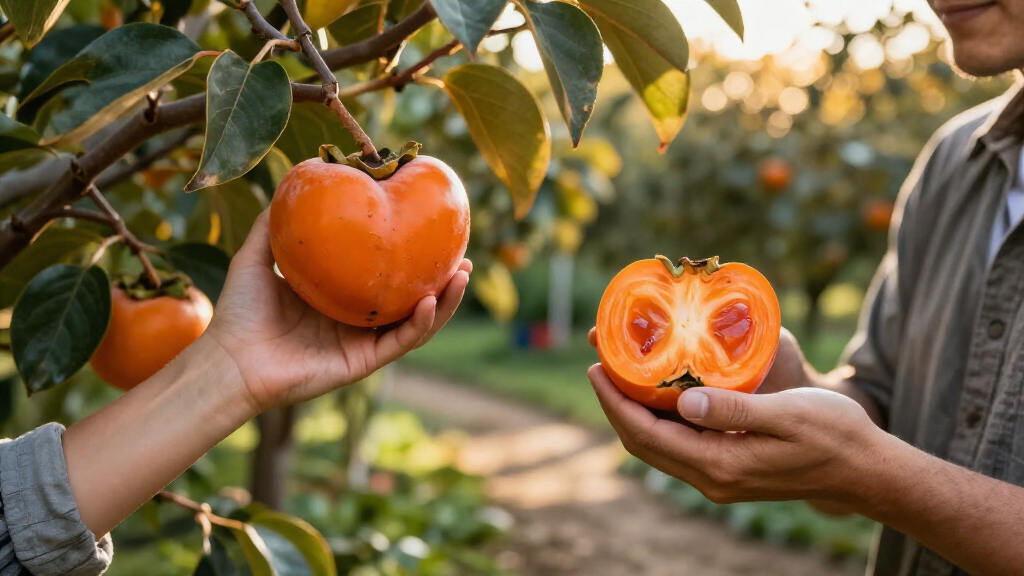
Texture depends on the variety. American persimmons are generally astringent until ripe and soft. Astringency is the dry, puckering sensation associated with unripe fruit. Soft American fruit can be eaten with a spoon or used in puddings and baked goods. Among Asian persimmons, non-astringent Fuyu can be eaten while firm, while astringent Hachiya should be allowed to soften. The guide does not establish that one type is inherently sweeter or better; flavor varies, and descriptions such as honey or brown sugar are tasting notes.
Tree and fruiting traits also differ. American persimmons can grow into substantial trees and often have male and female flowers on separate trees, meaning a female may need a suitable male nearby to produce fruit. Many Asian cultivars can set fruit without fertilization, but that is not the same as self-pollination, and pollen can affect seeds and eating quality in some cultivars. Gardeners are advised to check the exact tree’s pollination requirements before buying.
How American and Asian Persimmons Differ Choose by climate and harvest
Cold tolerance, fruit texture, tree size and pollination needs can shape which persimmon fits your garden. The broad differences are tendencies; the named cultivar matters.
Two species, varied cultivars
American persimmon is Diospyros virginiana; Asian persimmon is Diospyros kaki.
- Native to eastern and central United States
- Generally more cold-hardy
- Often grows into a substantial tree
- Also called Japanese or oriental persimmon
- Hardiness depends on cultivar and is usually lower
- Selections are often smaller
Fruit texture sets the harvest
Astringent fruit needs to soften before eating; orange skin alone does not show that it is ready.
Wait until soft
Generally astringent until ripe and soft; eat with a spoon or use in baking.
Enjoy while firm
This non-astringent Asian cultivar can be eaten crisp.
Soften before eating
This astringent Asian cultivar should soften first.
Compare the planting needs
Species descriptions are broad; check the specific tree before buying.
| Factor | What to check |
|---|---|
| Winter | Local suitability and cultivar hardiness |
| Space | Mature size, rootstock and spacing |
| Pollination | Whether a suitable second tree is needed |
| Harvest | Fruit texture and cultivar-specific ripeness signs |
Before you plant
Ask a nursery about local performance and the named cultivar’s requirements.
Confirm winter suitability for your area.
Check expected canopy and room to reach branches.
Ask whether the cultivar needs a suitable pollinizer.
Choose for Climate and Harvest
These differences can shape whether a tree fits a particular garden and whether its harvest suits the household. Winter temperatures are a key consideration: American persimmons are generally more cold-hardy, while Asian persimmon hardiness depends on cultivar and is usually lower. The comparison does not give temperature thresholds, so gardeners should confirm local performance and select a variety suited to their area.
Eating style and yard space matter too. A gardener seeking crisp fruit may prefer a non-astringent Asian cultivar such as Fuyu; someone prepared to wait for soft fruit may consider an American selection or Hachiya. American trees are often large and vigorous, while Asian selections are often smaller, though neither description guarantees a particular mature size. Checking the named cultivar, rootstock and spacing can help avoid a tree that crowds a small yard or drops soft fruit onto a busy path.
The distinction also affects expectations at harvest. Orange skin alone does not prove that an astringent fruit is ready to eat. The guide says to follow cultivar-specific signs and, where appropriate, let mature fruit picked firm finish ripening at room temperature. It says frost is not required to make fruit sweet and warns that freezing can damage unripe crops.
Products Worth Considering

Husqvarna 435i 16-Inch Battery Chainsaw with 7.5 Ah Battery and Charger

EGO POWER+ 56V Cordless Leaf Blower with 5.0Ah Battery, 765 CFM (LB7654)

Orbit B-hyve XR 8-Zone Indoor/Outdoor Smart Sprinkler Controller
As an affiliate, we earn on qualifying purchases.
Two Species, Many Cultivars
The supplied guide frames the comparison as a planting decision, not a single universal contest between two kinds of fruit. Diospyros virginiana is native to eastern and central North America; Diospyros kaki is commonly known as Japanese persimmon. The guide says Asian persimmons are more commonly cultivated and sold in grocery stores, while American persimmons are less widely grown and may be encountered locally. It gives no sales figures or regional breakdown.
Named varieties clarify what a broad species description cannot. Fuyu and Hachiya illustrate the different eating textures available within Asian persimmons. The guide also notes that some American cultivars can produce seedless crops, so pollination cannot be inferred from species alone. Before planting, buyers can ask nurseries about a selection’s expected mature size, winter suitability, fruit characteristics and pollen needs.
Basic site planning applies to both types: the guide recommends full sun, well-drained soil and enough room to reach branches for harvest. It advises watering young trees during dry periods and avoiding excess nitrogen, which can contribute to fruit drop. These are general recommendations in the supplied material, not a substitute for cultivar-specific or local growing advice.
Cultivar Details Still Matter
The comparison describes broad tendencies, not guarantees for every tree. Cold hardiness, mature size, harvest time, flavor and seed production vary by cultivar, and the supplied material provides no named cultivar list beyond Fuyu and Hachiya, no hardiness-zone ranges and no temperature limits. It also does not identify particular trees tested in specific locations.
Pollination is another point that needs checking at the cultivar level. The guide says many American trees have separate male and female flowers and many Asian cultivars can set fruit without fertilization, but it does not specify compatible pollinizers for individual selections. Nor does it establish that a tree of one species will pollinate a tree of the other; it explicitly advises against assuming that. Readers should confirm those details with the nursery or another reliable local source before planting.
There is no reported new study, cultivar release or change in growing advice behind this comparison. The material is general gardening guidance, and its claims should be treated as broad descriptions rather than a region-by-region assessment.
Check Local Growing Requirements
For a planting decision, the next step is to identify the available named cultivars and compare their stated winter tolerance, mature size, fruit texture and pollination requirements with local conditions. Ask a nursery whether the selection has performed well nearby and whether another tree is needed for fruit set. Check rootstock and spacing as well as the expected canopy, particularly in a small yard.
After planting, allow a young tree time to establish and follow care guidance suited to its cultivar and site. At harvest, use the variety’s ripeness signs rather than skin color alone, especially for astringent fruit. The supplied guide offers no specific harvest calendar or future development to report; cultivar and location details remain the practical next information for gardeners to obtain.
Key Questions
Which persimmon is generally more cold-hardy?
American persimmons are generally more cold-hardy than Asian persimmons, according to the supplied guide. Hardiness varies by cultivar, so check whether a specific tree suits local winter conditions.
Can you eat an Asian persimmon while it is firm?
It depends on the variety. Fuyu is a non-astringent type that can be eaten firm. Astringent varieties such as Hachiya need to soften before eating.
Why does an unripe persimmon make the mouth feel dry?
The guide attributes the dry, puckering sensation to astringency. American persimmons generally remain astringent until fully ripe and soft; some Asian varieties, including Fuyu, can be eaten while firm.
Do persimmon trees need a second tree to produce fruit?
It depends on the species and cultivar. Many American trees have separate male and female flowers, so a female may need a suitable male nearby. Many Asian cultivars can set fruit without fertilization. Confirm the needs of the exact selection before buying.
Does frost make persimmons sweet?
The supplied guide says frost is not needed to make persimmons sweet and warns that freezing can damage unripe crops. Follow the cultivar’s harvest signs and allow firm-picked mature fruit to ripen at room temperature where appropriate.
Source: groworganic.com