TL;DR
A Norfolk Island pine can remain a houseplant after the holidays if it receives very bright light, consistent moisture and protection from dry heat and drafts. Branches that fall off will not grow back, so placement and routine care matter.
A Norfolk Island pine can stay in the home after the holidays, but its long-term condition depends on bright light, lightly moist soil and protection from dry indoor heat, according to a seasonal care guide. The guidance matters for people using the plant as a living Christmas tree, because inadequate light, dry soil and low humidity can contribute to drooping or branch loss.

Get garden gear delivered free with Prime
- Fast, free delivery on millions of items
- Prime Video, Amazon Music and more included
- Member-only deals all year
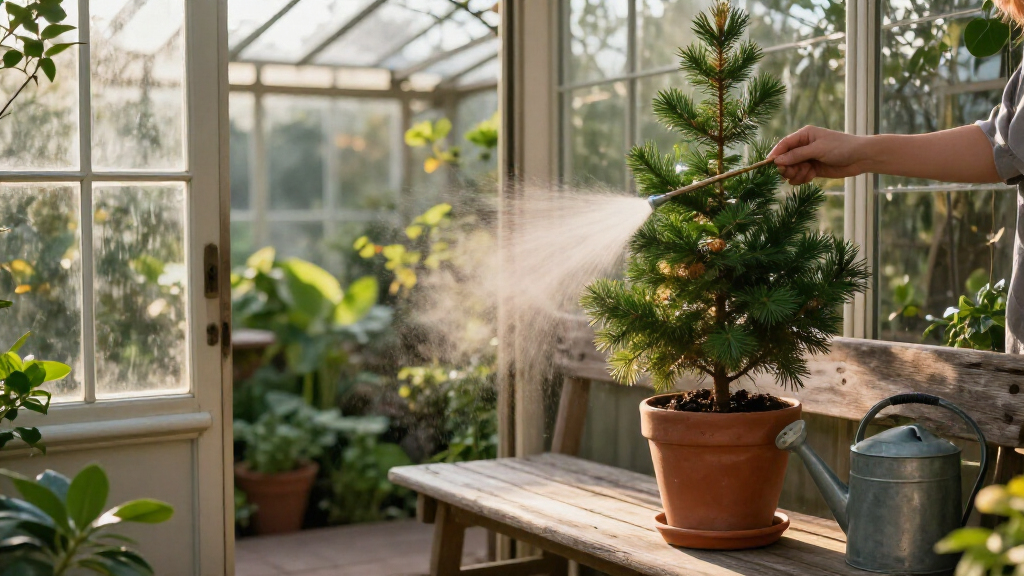
The plant needs very bright indoor light, ideally near a sunny window where it can receive some direct morning sun. A grow light may help in a dimmer room. Rotating the pot every few weeks can promote more even growth. Too little light may leave the plant leggy and drooping, and it may lose its compact tree shape.
Keep the soil lightly moist; the surface can dry slightly, but the soil should not dry out completely. Check it regularly, particularly in winter, when indoor heating can dry the soil and air. The plant prefers humidity above 50 percent. Grouping it with other houseplants or using a humidifier nearby may help; misting does not raise humidity around the plant.
Place the tree away from heating vents and drafty windows. Branch drop can indicate stress linked to insufficient light, dry soil or low humidity. Once lower branches fall, they will not grow back. Dead branches can be trimmed for appearance, but pruning will not produce new growth in bare spots.
Can Your Norfolk Island Pine Thrive Beyond the Holidays?
Yes, with bright light, lightly moist soil and protection from dry heat and drafts. Lost lower branches will not grow back, so prevention matters.
Give it a stable spot
Choose a bright place away from indoor heat and drafts.
A sunny window with some morning sun is ideal; a grow light may help in a dim room.
Check regularly, especially in winter. Let the surface dry slightly, but do not let the soil dry out completely.
Humidity above 50% is preferred. Group houseplants or use a nearby humidifier; misting will not raise humidity around the plant.
Read the signs of stress
Drooping or branch drop can have several possible causes.
- Insufficient light
- Dry soil or low humidity
- Heating vents or drafts
- Fallen lower branches will not grow back
- Pruning can tidy, but will not fill bare spots
- The guidance cannot identify one cause for every plant
Decorate with care
Its branches suit a small holiday display, but not heavy ornaments.
Mini ornaments
Use lightweight decorations and LED lights.
Return to routine
Remove decorations and return the plant to its bright, stable spot.
Feed occasionally
Use general-purpose houseplant fertilizer once or twice a year.
Keeping Holiday Trees Healthy Indoors
Care after the holiday display can affect whether the plant keeps its tree-like shape. Lost lower branches do not regrow, so a Norfolk Island pine that becomes stressed may remain visibly bare even after conditions improve. That makes prevention—especially suitable light, moisture and placement—more useful than pruning as a remedy.
The practical constraints are also relevant when choosing where to keep the plant. It needs a bright location that is not too close to a heat source, and its soil requires regular attention during dry winter conditions. These needs may make a sunny, draft-free room a better fit than a dark corner or a spot beside a radiator.
Products Worth Considering

Orbit B-hyve 12-Zone Smart Indoor/Outdoor Sprinkler Controller

AMERLIFE 8 × 12 × 7 ft Polycarbonate Greenhouse

Solo Stove Basecamp 24-Inch Smokeless Wood-Burning Fire Pit with Stand
As an affiliate, we earn on qualifying purchases.
A Pine by Name, Not Family
Despite its common name, the Norfolk Island pine is not a true pine. Its branches grow in whorls and have soft foliage, qualities that can make it suitable for a small holiday display. In its natural habitat it can reach up to 200 feet; indoors, it is described as reaching about 6 to 10 feet.
The plant can be decorated, but its branches are not sturdy enough for heavy ornaments. The care guidance recommends mini ornaments and LED lights, and advises starting with a healthy plant that is not already dry or dropping branches. After the holidays, remove decorations and return it to its usual bright spot.
Outdoors, Norfolk Island pines are suited to USDA Hardiness Zones 10 and 11, but wind can damage them. Their large surface roots also make them a poor choice as a shade tree. For most other areas, the guidance recommends keeping the plant as a houseplant.
Limits of Indoor Care Advice
The care guidance gives general conditions rather than a fixed watering schedule. How often a particular plant needs water will depend on its pot, soil, room conditions and season; the recommendation is to check the soil rather than follow a universal interval. It also does not specify a particular grow-light strength or duration.
Branch drop can have several possible contributors, including low light, dry soil, low humidity, heat vents or drafts. The guidance does not identify a single cause for an individual plant’s symptoms. It also does not promise that a stressed plant will recover its former shape, since fallen lower branches will not grow back.
Care After the Decorations Come Down
After removing ornaments and lights, put the plant back in a bright, stable location away from heating vents and drafts. Continue checking the soil so it stays lightly moist, and monitor indoor dryness during winter. If humidity is low, grouping houseplants or running a humidifier nearby may help.
Feed the plant once or twice a year with a general-purpose houseplant fertilizer. Trim dead lower branches or uneven tips only to tidy the plant; pruning will not fill bare areas. If considering outdoor placement, check that the local climate falls within Zones 10 or 11 and account for potential wind damage and surface roots.
Source: rss
Key Questions
Can a Norfolk Island pine stay indoors after Christmas?
Yes. It can remain a houseplant if it has very bright light, lightly moist soil and a location away from heating vents and drafts.
Why is my Norfolk Island pine dropping branches?
Branch drop can be a sign of stress. Check for insufficient light, dry soil, low humidity, nearby heat vents or drafts. The guidance does not identify one cause for every plant.
Will fallen branches grow back?
No. Once lower branches fall off, they will not grow back. Trimming can tidy dead or uneven growth but will not fill bare spots.
Can I decorate it with Christmas ornaments?
Yes, but the branches are not strong enough for heavy decorations. Use mini ornaments and LED lights, and avoid decorating a plant that is already dry or losing branches.
Is a Norfolk Island pine safe for cats and dogs?
The ASPCA lists the plant as nontoxic to cats and dogs. Eating any plant can still upset a pet’s stomach.
Source: countryliving.com