TL;DR
Kumquat trees can grow in the ground or in containers when they receive full sun, well-draining soil and appropriate watering. Container trees need drainage and shelter from damaging freezes; fruit ripeness and harvest timing vary with conditions.
A November 27, 2026 gardening guide sets out basic care for kumquat trees, including full sun, well-draining soil and watering that lets the upper soil dry somewhat between sessions. The advice applies to trees in the ground and containers, with special attention to drainage and protecting potted trees from damaging freezes.

Get garden gear delivered free with Prime
- Fast, free delivery on millions of items
- Prime Video, Amazon Music and more included
- Member-only deals all year
Kumquats are citrus trees commonly classified as Citrus japonica; older books may call them Fortunella. They produce small fruit with an edible, sweet rind and more tart flesh. The guide identifies Nagami and Meiwa as two popular varieties: Nagami fruit is usually oval and more tart, while Meiwa fruit is generally rounder, with a thicker rind and sweeter flavor.
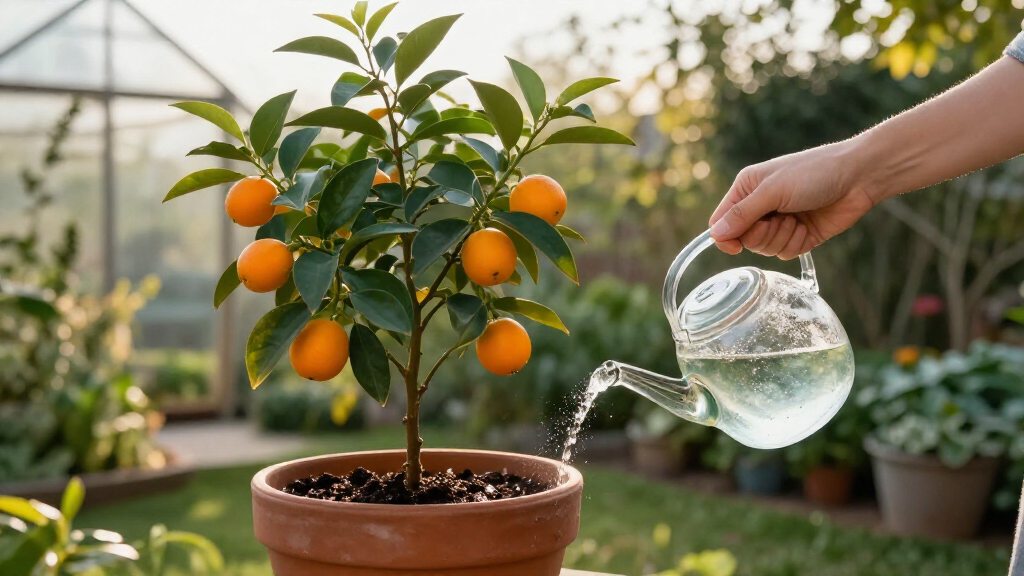
For planting, choose a sunny location and soil that drains well. A container should have clear drainage holes and be filled with an appropriate potting mix. Water thoroughly, then wait until the upper layer of the mix begins to dry before watering again. Do not leave the pot standing in a saucer of water, which can keep the roots too wet.
Other care includes feeding according to the fertilizer label, checking leaves and stems regularly for pests, and removing dead branches or shoots growing below the graft. The guide advises against heavy pruning. It does not set out a single watering calendar or feeding schedule, so care must take account of the plant’s growing conditions and the product directions.
Caring for Kumquat Trees What helps them thrive
Kumquats can grow in garden beds or containers. Sunlight, free drainage and care matched to local conditions support the tree and its fruit.
Set up the growing space
Choose a sunny spot and soil or potting mix that drains freely.
Full sun
Provide full sun whether the tree grows in a garden bed or a container.
Free drainage
Use well-draining soil; containers need drainage holes and suitable potting mix.
Protect pots
Move container trees to shelter before a damaging freeze.
Water to the soil, not a schedule
Needs vary with climate, soil, pot size and season.
Wet the soil or potting mix well.
Wait until it begins to dry before watering again.
Do not leave a container standing in a saucer of water.
Choose a variety for its fruit
Nagami and Meiwa differ in shape and flavor.
- Usually oval fruit
- More tart flavor
- Generally rounder fruit
- Thicker rind and sweeter flavor
Harvest by checking the fruit
Season and ripening depend on local conditions.
Growing Kumquats in Containers
The guidance matters to gardeners deciding whether a kumquat will suit a patio, balcony or garden bed. Container growing is possible, but it makes drainage and seasonal protection the grower’s responsibility. A pot that holds standing water or a tree left outdoors through a damaging freeze can undermine otherwise suitable care.
Harvests also offer a practical return beyond the tree’s ornamental value. Kumquats can be eaten whole after washing or used in marmalade, chutney, salads and baked dishes. Their sweet peel and tart flesh give them a different eating experience from citrus that is normally peeled. A fruit’s orange color can help signal ripeness, but the guide recommends tasting one before picking the rest.
The information is care guidance, not a promise of a particular yield or a medical claim about eating the fruit. Harvest timing varies, and nutritional values depend on serving size. The tree’s suitability for a particular home depends on light, climate, drainage and the attention its container or planting site receives.
Products Worth Considering

Rachio 3 Smart WiFi Sprinkler Controller, 8-Zone

Orbit B-hyve XR 8-Zone Indoor/Outdoor Smart Sprinkler Controller

Garvee 8 × 10 ft Walk-In Polycarbonate Greenhouse
As an affiliate, we earn on qualifying purchases.
Varieties, Fruit and Harvest Timing
The guide says kumquat season often falls in cooler months in the United States, though timing varies. Rather than treating a calendar date as a guarantee, growers can watch for bright orange fruit and sample a kumquat to judge its readiness. Local climate and growing conditions affect when fruit develops and ripens.
Variety is relevant both at the nursery and at the table. Nagami is described as typically oval and tart, while Meiwa is rounder and sweeter, with a thicker rind. The peel is edible, and the fruit can be eaten whole after being washed under running water; seeds may be removed if desired.
The guide also gives USDA figures for 100 grams of raw kumquats: about 71 calories, 6.5 grams of fiber and 43.9 milligrams of vitamin C. Those are food-composition figures, not evidence that kumquats treat illness or produce a particular health outcome. It says the fruit can be part of a balanced diet and does not establish it as a weight-loss solution.
Care Depends on Local Conditions
The care guidance does not specify how often to water or fertilize a tree across all settings. Those needs can differ with climate, soil, pot size and season; the stated approach is to monitor the upper mix and follow the fertilizer label rather than apply a fixed schedule.
There is also no single harvest date, expected yield or guaranteed time to fruiting in the guidance. It says grafted trees may begin bearing within one to two years under favorable conditions, while seed-grown trees generally take longer; variety, climate and care affect the timing. The figures should not be read as a guarantee for an individual tree.
The guide recommends inspecting for pests and identifying a problem before choosing a treatment, but it does not name particular pests or prescribe products. Gardeners would need to identify the issue and follow any treatment’s label directions. Local frost risk and the shelter available to a container tree also determine when it should be moved indoors or otherwise protected.
Monitor Growth Through the Seasons
For ongoing care, growers can check that the planting site or pot receives full sun, confirm that water drains freely, and watch for signs of pests or dead growth. Container owners should track local cold-weather conditions and move the tree to shelter before a damaging freeze. Fertilizer should be applied according to its label, and pruning should remain limited to dead branches and shoots below the graft.
As fruit develops, check its color and taste a sample before harvesting. The guide does not announce a new study, policy or scheduled follow-up; it is practical gardening advice. Results will depend on the tree’s variety and conditions, so growers can adjust care as they observe soil moisture, weather and plant growth.
Source: rss
Key Questions
Can kumquat trees grow in pots?
Yes. Use a suitable container mix and a pot with drainage holes, provide full sun, and avoid leaving the pot in standing water. Move the tree to shelter before a damaging freeze.
How should I water a kumquat tree?
Water thoroughly, then allow the upper soil or potting mix to begin drying before watering again. Conditions vary, so the guidance does not give one fixed schedule.
When are kumquats ready to pick?
Bright orange color can signal ripeness, but timing varies. Taste a fruit before harvesting, since the season depends on growing conditions.
Can you eat kumquat skin?
Yes. The rind is edible and is typically sweeter than the tart flesh. Wash the whole fruit under running water before eating it.
How long does a kumquat tree take to bear fruit?
Grafted trees may begin bearing in one to two years under favorable conditions. Seed-grown trees generally take longer, and timing also depends on variety, climate and care.
Source: groworganic.com