Avoid common mistakes like overwatering or underwatering your plants, as both can harm roots and hinder growth. Don’t neglect soil preparation—use organic amendments and test your soil to guarantee proper drainage and nutrition. Stick to a consistent watering schedule and check moisture levels regularly. Pay attention to environmental conditions, and adjust accordingly. Good habits now set the stage for a healthy, productive garden—keep exploring to learn how to master these essential gardening skills.
Key Takeaways
- Avoid overwatering or underwatering by monitoring soil moisture regularly and establishing consistent watering routines.
- Prepare and amend soil with organic matter and test pH to ensure healthy root development and nutrient availability.
- Focus on deep, even watering to promote strong roots, rather than surface-only moistening.
- Neglecting soil quality and proper preparation can impair plant growth and increase pest susceptibility.
- Continuously observe plant health and soil conditions, adjusting care practices to foster a thriving garden.
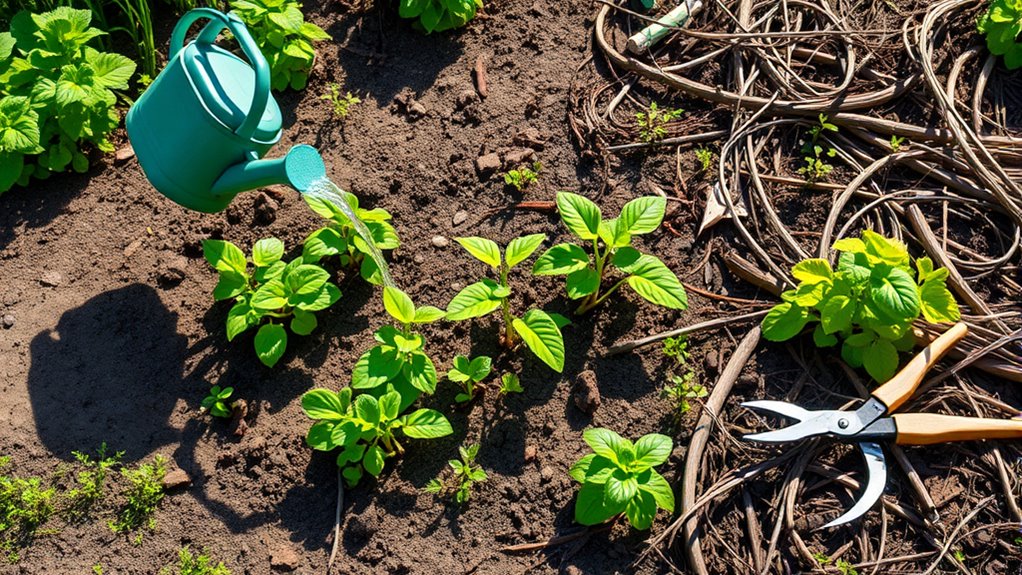
Starting a garden can be exciting, but beginners often make common mistakes that hinder their success. One of the most frequent issues is watering problems. Overwatering or underwatering can damage your plants and stall growth. If you pour too much water, you risk drowning the roots and creating a perfect environment for fungal diseases. Conversely, if you don’t water enough, your plants will suffer from drought stress, wilting, and stunted development. To avoid these watering issues, observe your plants closely. Stick your finger into the soil; if it feels dry a couple of inches down, it’s time to water. Use a consistent schedule and ensure your watering method delivers water evenly to the root zone, rather than just moistening the surface. Drip irrigation or soaker hoses can help you maintain steady moisture levels, preventing both over- and under-watering.
Another critical mistake beginners often make is neglecting soil preparation. The health of your garden depends heavily on the quality of your soil. Poor soil can lead to weak plants, poor yields, and increased pest problems. Before planting, spend time improving your soil by adding compost or organic matter. This enhances drainage, aeration, and nutrient content, giving your plants a strong foundation to grow. Many newcomers overlook this step, jumping straight into planting without testing or amending the soil. But skipping soil preparation means your plants will struggle to establish roots and access essential nutrients. Take a moment to evaluate your soil’s texture and pH, and amend it accordingly. Doing so creates a more hospitable environment for your plants and reduces the likelihood of issues down the line. Incorporating Cheesy Polenta as a soil amendment might sound unusual, but the organic matter in cheese can add nutrients and improve soil texture in small garden beds.
Getting these fundamentals right early on makes a huge difference. By paying attention to watering and soil preparation, you set your garden up for success. Don’t ignore the importance of consistent watering habits and healthy soil—these are the backbone of thriving plants. Remember, gardening is a learning process, and mistakes are part of it. But if you address watering issues promptly and take the time to prepare your soil properly, you’ll find yourself enjoying a more productive and rewarding garden. Keep observing your plants, adjust your watering schedule as needed, and continually improve your soil. With patience and attention, you’ll build a strong foundation that turns your gardening efforts into a flourishing, beautiful space.
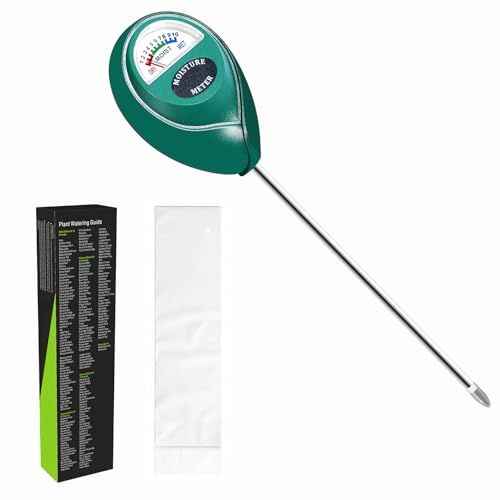
XLUX Plant Soil Moisture Meter, for Indoor and Outdoor use, Battery-Free
- Trusted Since 2015: Reliable and accurate soil moisture readings
- Battery-Free Design: No batteries or charging required
- Deep Root Zone Measurement: Probes soil at root level for accuracy
As an affiliate, we earn on qualifying purchases.
As an affiliate, we earn on qualifying purchases.
Frequently Asked Questions
How Often Should I Water My New Plants?
When determining your watering schedule, pay attention to your new plants’ needs for proper plant hydration. Usually, you should water deeply when the top inch of soil feels dry, which might be every few days. Avoid overwatering, as it can lead to root rot. Check your plants regularly, and adjust your watering routine based on weather conditions and soil moisture. Consistent care helps your new plants thrive and grow strong.
What Is the Best Time to Plant Seeds?
If you want your plants to thrive and grow like a jungle, timing is everything! The best time to plant seeds depends on your seedling timing and the planting season in your area. Typically, you should sow seeds when the weather warms up and the soil is just right—not too cold, not too hot. Check your local frost dates and plant during the ideal planting season for the best chance at a lush garden!
How Do I Prevent Pests Naturally?
To prevent pests naturally, you should start with natural pest control methods like encouraging beneficial insects and using homemade sprays. Companion planting is also effective—plant herbs like basil or marigolds near your vegetables to repel pests. Regularly inspect your garden for signs of trouble, remove pests by hand, and keep your plants healthy through proper watering and fertilization. These techniques help keep pests at bay without harmful chemicals.
Which Soil Type Is Best for Beginners?
It’s wise to start with the soil that offers a gentle introduction to gardening. For beginners, loamy soil is your best choice because it provides a balanced nutrient profile and good drainage. Proper soil selection guarantees your plants thrive by maintaining the right nutrient balance. With loamy soil, you’ll find it easier to manage watering and feeding, making your gardening journey more enjoyable and successful from the very beginning.
How Can I Improve Drainage in My Garden?
To improve drainage in your garden, start by adjusting your garden layout tips to guarantee proper slope and spacing. Incorporate composting techniques like adding organic matter to enhance soil structure and permeability. You can also mix sand or grit into your soil for better water flow. Regularly aerate your soil and avoid overwatering. These steps help prevent waterlogging, ensuring your plants thrive with healthier roots and improved overall growth.

50FT Drip Irrigation System for Starter: Small Garden Quick Connect 1/4" PE Water Tubing Automatic 11Pcs Sprinkler Kit Adjustable Misting Part Watering Hose Outdoor Raised Bed Plants Flower Greenhouse
- Hybrid Irrigation Design: Combines misting and drip technologies
- Adjustable Misting Nozzles: 360° directional misting for flexible watering
- Efficient Drip Sprinklers: Vortex and 8-hole stream for stable watering
As an affiliate, we earn on qualifying purchases.
As an affiliate, we earn on qualifying purchases.
Conclusion
Gardening is like tending to a young garden—patience and care help it flourish. By avoiding these common mistakes, you’re planting the seeds for success. Think of each step as watering your confidence and trimming away doubts. With a little attention and a lot of love, your garden will thrive and grow into a beautiful sanctuary. Embrace the journey, learn from each mistake, and watch your green thumb blossom into something truly wonderful.

Espoma Organic Raised Bed Mix – All Natural and Organic Potting Soil Mix for Growing Vegetables and Herbs in Raised Garden Beds. for Organic Gardening.1.5 Cubic Foot Bag
- Suitable for Raised Beds: Ideal for raised garden beds and containers
- Rich Organic Ingredients: Contains earthworm castings, alfalfa, kelp, feather meal
- Includes Mycorrhizae: Contains proprietary Myco-Tone blend of mycorrhizae
As an affiliate, we earn on qualifying purchases.
As an affiliate, we earn on qualifying purchases.

SONKIR Soil pH Meter, MS02 3-in-1 Soil Moisture/Light/pH Tester Gardening Tool Kits for Plant Care, Great for Garden, Lawn, Farm, Indoor & Outdoor Use (Green)
- Multi-function Soil Tester: Tests moisture, pH, and sunlight levels
- No Batteries Required: Operates without batteries for convenience
- Note for Use: Cannot test liquids; water dry soil before testing
As an affiliate, we earn on qualifying purchases.
As an affiliate, we earn on qualifying purchases.