
TL;DR

Get garden gear delivered free — and shop member deals
- Fast, free delivery on millions of items
- Access to Prime Big Deal Days deals on October 6–7
- Prime Video, Amazon Music and more included
Gardening enthusiasts are increasingly building DIY bug hotels to shelter beneficial insects before colder weather arrives. This trend aims to boost garden health by supporting pollinators and pest controllers during winter transitions.
Gardening communities are actively encouraging the construction of DIY bug hotels to provide shelter for beneficial insects as temperatures begin to drop. This initiative aims to support pollinators, pest controllers, and other helpful insects during the colder months, helping maintain garden health and biodiversity.
The trend has seen a surge in online searches and social media posts about building simple insect habitats using recycled materials, wood, straw, and other natural elements. Experts note that creating these shelters can help beneficial insects survive winter, ensuring they are available for pollination and pest control come spring.
While the practice is rooted in ecological gardening principles, there is no official regulation or standardized design for these bug hotels. Gardeners are encouraged to customize their structures based on local insect species and available materials. The trend appears to be driven by increased awareness of pollinator decline and a desire to support local ecosystems amidst climate shifts.
Environmental organizations and gardening groups are promoting these DIY projects through tutorials, workshops, and social media campaigns, emphasizing the importance of providing safe overwintering sites for insects such as solitary bees, ladybugs, and lacewings.
Supporting Beneficial Insects During Seasonal Change
This trend matters because beneficial insects play a crucial role in maintaining healthy gardens by pollinating plants and controlling pests. Providing them with shelter before winter helps ensure their survival, which can lead to more resilient gardens and reduced need for chemical interventions. As climate variability increases, supporting local biodiversity through simple actions like building bug hotels could become an essential part of sustainable gardening practices.As an affiliate, we earn on qualifying purchases.
Growing Interest in Eco-Friendly Gardening Solutions
Over recent years, there has been a marked increase in public awareness about pollinator decline and the importance of biodiversity. This has led to a rise in eco-friendly gardening initiatives, including creating habitats for beneficial insects. The current spike in search interest for DIY bug hotels appears to be a response to this broader environmental concern, combined with seasonal changes prompting gardeners to prepare for colder weather. While the trend is well-documented anecdotally, there is no formal data yet confirming its widespread adoption or impact.beneficial insect shelter materials
As an affiliate, we earn on qualifying purchases.
As an affiliate, we earn on qualifying purchases.
Extent of Adoption and Impact Still Unclear
It is not yet confirmed how widespread the practice of building DIY bug hotels is or what measurable impact it has on insect populations or garden health. Most evidence is anecdotal or based on social media trends, with no large-scale studies available at this time.solitary bee hotel building supplies
As an affiliate, we earn on qualifying purchases.
As an affiliate, we earn on qualifying purchases.
Monitoring Trends and Promoting Best Practices
Gardening groups and environmental organizations are expected to continue promoting DIY bug hotels through tutorials and community projects. Researchers may also begin to study the effectiveness of these habitats in supporting beneficial insect populations, providing data to guide best practices. Meanwhile, individual gardeners are encouraged to share their designs and experiences to help refine the approach.As an affiliate, we earn on qualifying purchases.
Key Questions
What materials are best for building a bug hotel?
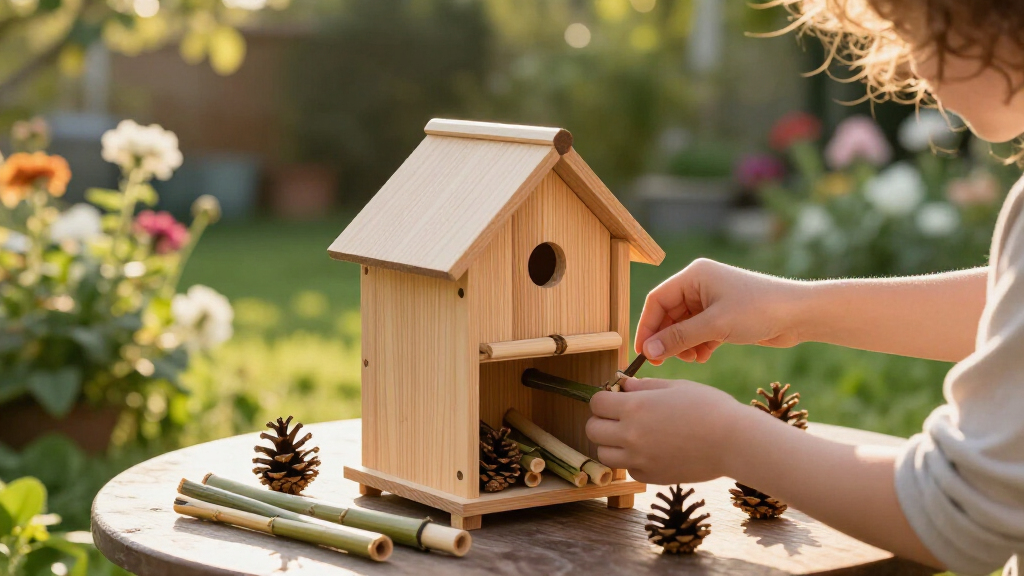
Natural and recycled materials such as wood, bamboo, straw, pine cones, and hollow plant stems are recommended. Avoid treated wood or chemicals that could harm insects.
Where should I place my bug hotel?
Choose a sheltered, sunny spot, ideally facing south or east, away from strong winds and heavy rain. Elevate it slightly off the ground to prevent moisture buildup.
Which insects benefit from bug hotels?
Solitary bees, ladybugs, lacewings, and other beneficial insects use these habitats for overwintering and nesting.
Can I make a bug hotel indoors?
While possible, outdoor placement is generally more effective because it mimics natural conditions and provides better protection from extreme weather.
Is building a bug hotel environmentally safe?
Yes, as long as you use natural, untreated materials and avoid chemicals. It supports biodiversity without harming the environment.
Source: rss
Fall yard work Picks
leaf blowers
As an affiliate, we earn on qualifying purchases.