Having more flowers in your garden doesn’t always attract more beneficial insects because factors like flower timing, diversity, and pesticide use are key. When too many flowers bloom at once or are of the same type, insects may get overwhelmed or quickly deplete nectar sources. Pesticides can also harm or scare away beneficial bugs. By understanding these aspects, you’ll discover how to create a healthier, more attractive environment for pollinators and support their essential role.
Listen free for 30 days with Audible
Thousands of audiobooks and originals — cancel anytime.
As an affiliate, we earn on qualifying purchases.
Key Takeaways
- Excessive flower abundance can dilute pollination efforts, reducing overall effectiveness.
- Flower timing and diversity provide continuous nectar, attracting beneficial insects more reliably than quantity alone.
- Pesticide use harms beneficial insect populations, decreasing their presence despite abundant flowers.
- Monocultures or concentrated blooms deplete nectar quickly, discouraging sustained insect activity.
- A balanced selection of native plants with staggered blooming periods supports healthier beneficial insect populations.
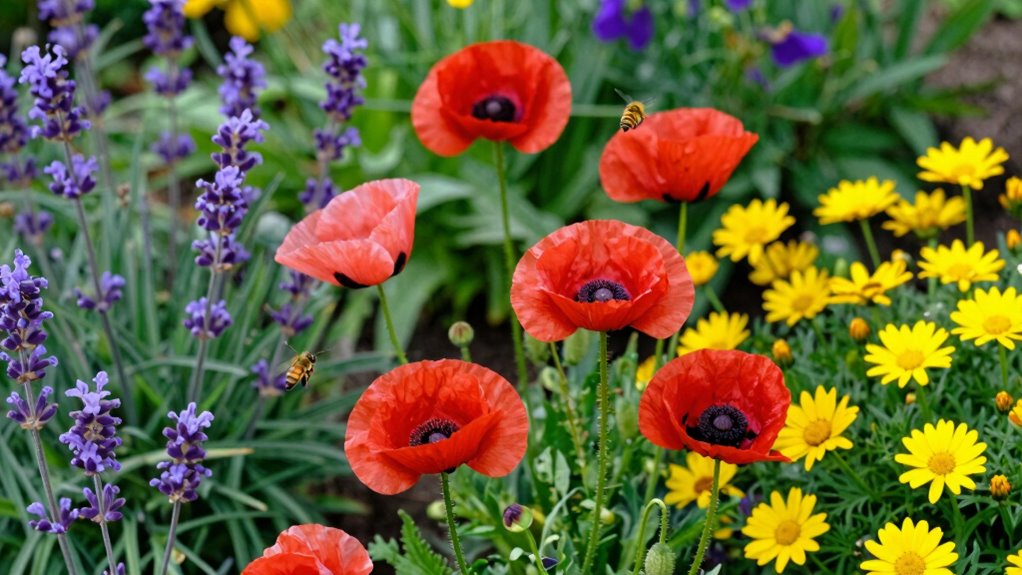
Having more flowers in your garden doesn’t always attract more beneficial insects, and in some cases, it can even have the opposite effect. While a lush garden seems like an ideal habitat for pollinators like bees and butterflies, simply increasing flower abundance doesn’t guarantee better pollination or insect health. In fact, an overabundance of certain flowers can dilute pollination efficiency, making it harder for insects to effectively transfer pollen from one plant to another. When too many flowers bloom simultaneously or are overly concentrated, beneficial insects might spend less time on each flower, reducing the quality of pollination. This can ultimately lead to lower fruit or seed production, defeating the purpose of attracting these helpful insects in the first place. Additionally, the timing and diversity of flowers matter more than sheer quantity, as a variety of plants that bloom at different times provides a more consistent and reliable food source for beneficial insects. A garden filled with a variety of flowering plants that bloom at different times creates a steady food supply for beneficial insects throughout the season. In contrast, a garden overloaded with a single type of flower or with flowers that bloom all at once can lead to a quick decline in insect activity once nectar sources are exhausted. This not only hampers pollination efficiency but also leaves beneficial insects vulnerable to pesticide impacts, as they may need to forage farther or more frequently to find food. Moreover, the use of pesticides can significantly reduce beneficial insect populations, even if attracting them initially. The impact of pesticides can linger in the environment, making it unsafe for beneficial insects to forage or nest nearby. This creates a paradox where your effort to protect plants might be damaging the very insects that help them thrive. Creating pollinator-friendly gardens involves more than just planting many flowers; it requires careful consideration of plant selection, blooming periods, and pesticide management. When planning your garden, understanding how flower diversity and timing influence insect behavior can help you design a more sustainable habitat. Incorporating native plant species is also crucial, as local insects are often best adapted to these plants and their flowering patterns. Additionally, selecting a diverse range of flowers can help prevent monocultures that may make your garden less resilient to pests and environmental stresses. Ultimately, attracting beneficial insects isn’t just about increasing flower numbers; it’s about creating a balanced environment. You need to evaluate the type of flowers, their blooming periods, and how pesticides are managed. When you do this thoughtfully, you’ll foster a healthier, more resilient garden where beneficial insects can thrive and perform their crucial pollination roles effectively—without the unintended consequences that come from just adding more flowers.
native flowering plants for pollinators
As an affiliate, we earn on qualifying purchases.
As an affiliate, we earn on qualifying purchases.
Frequently Asked Questions
How Do Different Flower Colors Affect Beneficial Insect Attraction?
Different flower colors influence beneficial insect attraction because insects are often drawn to specific hues. Brightly colored petals, like yellow and purple, tend to attract more pollinators, while white or pale flowers may appeal to certain beneficial predators. Nectar quality also plays a role, as insects prefer flowers with abundant, high-sugar nectar. By choosing a variety of flower colors, you can effectively attract diverse beneficial insects, enhancing your garden’s health.
Can Increasing Flower Diversity Sometimes Reduce Beneficial Insect Populations?
Increasing flower diversity can sometimes reduce beneficial insect populations because it may attract pests instead, leading to pest attraction that outpaces beneficials. Additionally, plant competition for resources like nectar and pollen can make it harder for beneficial insects to thrive, as they struggle to find enough food. So, while diversity sounds good, it can inadvertently hinder beneficial insects if pest attraction and plant competition aren’t managed carefully.
What Role Do Flower Blooming Times Play in Insect Support?
Flower blooming times are essential for supporting beneficial insects because they align pollination timing with insect activity. If flowers bloom when nectar availability is low or out of sync with insect life cycles, insects struggle to find food, reducing their populations. Ensuring continuous blooming and overlapping flowering periods provides consistent nectar sources, which helps beneficial insects thrive and sustain healthy pollination cycles.
Do Certain Flower Sizes Attract More Beneficial Insects Than Others?
Size isn’t the only thing that matters; shape and nectar accessibility play vital roles. Smaller flowers with open shapes attract more beneficial insects because they’re easier to access, like a welcoming open door. Larger flowers might seem appealing but can be less accessible, deterring some insects. So, choose a variety of sizes and shapes to create a balanced habitat, inviting a diverse array of beneficial insects to your garden.
How Does Flower Scent Influence Beneficial Insect Visitation Rates?
Flower scent plays a essential role in attracting beneficial insects, as strong or specific scents guide them efficiently. However, pesticide effects can diminish scent cues, reducing visitation rates. Habitat fragmentation also limits insect movement, making scent signals even more critical for locating flowers. If scents are masked or disrupted, beneficial insects might avoid otherwise suitable plants, decreasing pollination and pest control. So, maintaining healthy habitats and minimizing pesticide effects enhances scent attraction and beneficial insect activity.
beneficial insect attractant plants
As an affiliate, we earn on qualifying purchases.
As an affiliate, we earn on qualifying purchases.
Conclusion
So, next time you plant flowers, remember it’s not just about quantity but quality, not just about abundance but balance. Because more flowers don’t always mean more beneficial insects, and more beneficial insects don’t always mean better health. You want diversity, you want harmony, you want to create a thriving, balanced ecosystem. Focus on the right flowers, foster the right relationships, and enjoy the beauty and benefits that come from a well-thought-out garden.
pesticide-free bee friendly flowers
As an affiliate, we earn on qualifying purchases.
As an affiliate, we earn on qualifying purchases.
As an affiliate, we earn on qualifying purchases.
NFL season / tailgating Picks
team gear
As an affiliate, we earn on qualifying purchases.