TL;DR
Open a free Amazon Business account
Business pricing, bulk buying and tax-exempt orders.
Create a free accountAs an affiliate, we earn on qualifying purchases.
A new garden technique involves placing leftover citrus halves to attract birds and trap slugs simultaneously. Experts confirm its eco-friendly potential, but effectiveness varies. The method offers a natural pest control solution that also supports bird feeding.
Gardeners can now naturally attract birds and control slug populations simultaneously by placing leftover citrus halves in their gardens, according to experts. This simple, cost-effective method offers an eco-friendly alternative to chemical pest control, making it relevant for sustainable gardening practices.
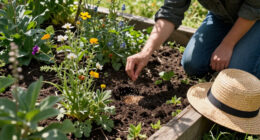
The technique involves cutting a leftover orange or grapefruit in half and placing the empty rinds around the garden. Richard Green, a bird feeding specialist at Kennedy Wild Bird Food & Pet Supplies, confirmed that the citrus halves attract birds like orioles while providing a damp hiding spot for slugs. The slugs are drawn to the residual moisture and scent of the fruit, and the birds then feed on them, creating a natural pest management cycle.
This method is considered a dual-purpose, eco-friendly approach that encourages bird activity while reducing slug damage on plants. Although experts note it may not eliminate all slug problems overnight, it offers a sustainable alternative to chemical controls, working with nature rather than against it.
Garden Intelligence Report · Growing Season 2026
Feed the Birds.
Banish the Slugs.
One Citrus Half.
Gardeners are placing leftover orange and grapefruit rinds around their beds to attract slug-eating birds and trap slugs at the same time — a dual-purpose, chemical-free pest control cycle that costs almost nothing and works with nature, not against it.
Vetted by the plantandpest.com teamCost of Method
≈ $0
Uses kitchen scraps you already throw away
Purposes Served
2-in-1
Bird feeding station + slug trap in one rind
Chemicals Required
Zero
No pesticides, no pellets, no residue
2
Pests & Allies Targeted
2–3d
Replace Rinds Every
0%
Pesticide Content
1
Minute Setup Time
The Mechanism
How the Citrus Trap Cycle Works
Cut a leftover orange or grapefruit in half, scoop out the flesh, and place the empty rinds around the garden. What happens next is a self-reinforcing natural pest-management loop confirmed by bird-feeding specialists.
Place the Rinds
Empty citrus halves go cut-side down among beds and borders — anywhere slugs patrol.
Slugs Move In
Drawn to the residual moisture and fruit scent, slugs shelter inside the damp rinds overnight.
Birds Arrive
Orioles and other birds are attracted to the fruit — and discover a waiting buffet of slugs.
Garden Protected
Slug pressure drops, bird activity rises, and plants recover — no chemicals involved.
Why It Matters
Three Reasons Gardeners Are Switching
Traditional slug control leans on chemical pellets that can harm beneficial insects, pets, and soil life. The citrus method aligns with sustainable gardening principles instead.
Eco-Friendly
Zero Chemical Load
No metaldehyde, no pellets, no runoff. Citrus rinds are safe for most beneficial insects and garden wildlife when used within an overall eco-friendly approach.
Biodiversity
Feeds Local Birds
The rinds double as a feeding station, encouraging orioles and other birds to visit — and birds are among the most effective natural slug predators a garden can host.
Cost
Practically Free
The raw material is kitchen waste. Compared with repeat purchases of commercial slug products, the method is a genuinely cost-effective alternative for any budget.
Head to Head
Natural Slug Control Methods Compared
The citrus rind joins a toolkit of natural alternatives — each with trade-offs. It is the only one that feeds birds while it traps.
| Method | Chemical-Free | Supports Wildlife | Cost | Evidence Base |
|---|---|---|---|---|
| Citrus Rind Traps | ✓ Yes | ✓ Feeds birdsDual-purpose attractant | ~$0Kitchen scraps | ~ Anecdotal + expert-backed |
| Beer Traps | ✓ Yes | ~ NeutralCan catch beneficials | LowRepeat purchase | ~ Mixed results |
| Copper Barriers | ✓ Yes | ~ Neutral | ModerateUpfront material | ~ Variable effectiveness |
| Chemical Pellets | ✗ No | ✗ Harms beneficialsRisk to pets & soil life | Ongoing | ✓ Established, but costly to ecosystem |
Reading the Evidence
How Strong Is the Case Right Now?
Experts call the technique promising but not definitive. It should sit inside an integrated pest-management plan — not replace one. Here is where the current evidence stands.
Qualitative synthesis of expert commentary and gardener reports, plantandpest.com review — effectiveness varies with local conditions, bird species, and slug activity.
Expert Verdict
What the Specialists Say
“Using citrus-fruit traps is a fantastic, natural alternative for pest control in the garden. Cutting an orange or grapefruit in half and placing the halves throughout your garden can serve a dual purpose. Birds are drawn to the fruit, and slugs are attracted to the leftover rinds.”
— Researcher, via plantandpest.com reportThe Honest Limitations
Richard Green, bird feeding specialist at Kennedy Wild Bird Food & Pet Supplies, confirms the dual attraction — but experts urge realistic expectations:
- No overnight wipeout. It will not eliminate all slugs — treat it as one layer of an integrated pest-management plan.
- Results vary. Effectiveness depends on garden environment, slug population, and local bird species.
- Maintenance matters. Replace rinds every few days or once they decompose, to stay effective and avoid odors.
- Monitor for surprises. Limited evidence of attracting other pests, but watch placement and adjust.
The Full Loop
From Kitchen Scrap to Living Pest Control
One piece of fruit waste sets off a chain that ends in a healthier, pesticide-free garden.
Key Questions
Before You Scatter the Rinds
The five questions every gardener asks — answered from the current expert guidance.
Will citrus halves eliminate all slugs?
Not necessarily. They attract slugs and birds, but won’t clear all pests overnight — use within an integrated pest-management plan.
How often should I replace them?
Every few days, or once they start to decompose significantly — this maintains effectiveness and prevents unpleasant odors.
Can I use other fruits?
Some gardeners experiment, but citrus is most recommended — its scent and moisture content are what make the trap work, per current expert advice.
Is it safe for other garden wildlife?
Yes — natural citrus rinds are considered safe for most beneficial insects and animals within an eco-friendly gardening approach.
Will it attract other pests?
Evidence is limited. Monitor your garden and adjust placement to minimize any unintended effects.
What happens next for this method?
Gardeners are encouraged to try it and share results; researchers may run controlled studies to pin down long-term effectiveness.
Why Using Citrus Rinds Matters for Eco-Friendly Gardening
This technique provides gardeners with a cost-effective, chemical-free way to manage pests while supporting local bird populations. It aligns with sustainable gardening principles, reduces reliance on pesticides, and promotes biodiversity. However, as this method is still being evaluated for its full efficacy, it offers a promising but not definitive solution for slug control.
bird feeding and slug control citrus rinds
As an affiliate, we earn on qualifying purchases.
As an affiliate, we earn on qualifying purchases.
Background on Natural Pest Control Methods in Gardens
Traditional slug control often involves chemical pesticides, which can harm beneficial insects and the environment. Natural alternatives, such as beer traps and copper barriers, have been used but vary in effectiveness. The citrus rind method adds to these options by leveraging natural attractants for both pests and predators, aligning with growing interest in eco-friendly gardening practices.
While anecdotal reports support its use, scientific studies on its long-term effectiveness are limited. The idea has gained popularity among gardeners seeking sustainable solutions, especially during peak slug seasons.
“Using citrus-fruit traps is a fantastic, natural alternative for pest control in the garden. Cutting an orange or grapefruit in half and placing the halves throughout your garden can serve a dual purpose. Birds are drawn to the fruit, and slugs are attracted to the leftover rinds.”
— an anonymous researcher
As an affiliate, we earn on qualifying purchases.
Effectiveness and Limitations of Citrus Rind Method
It is not yet clear how effective this method is across different garden environments or slug populations. There are no large-scale studies confirming its success, and results may vary based on local conditions, bird species, and slug activity.
Experts note that while promising, this technique should be considered part of an integrated pest management approach rather than a sole solution.
As an affiliate, we earn on qualifying purchases.
Next Steps for Gardeners and Researchers
Gardeners are encouraged to try this method and share their results. Researchers may conduct controlled studies to evaluate its long-term effectiveness and optimal implementation. Monitoring and reporting outcomes will help determine its place in sustainable gardening practices.
Further development of natural pest control methods like this could lead to broader adoption and refinement, promoting healthier, pesticide-free gardens.
As an affiliate, we earn on qualifying purchases.
Key Questions
Will placing citrus halves eliminate all slugs in my garden?
Not necessarily. While it can attract slugs and birds, it is unlikely to eliminate all pests overnight. It should be used as part of an integrated pest management plan.
How often should I replace the citrus halves?
It is recommended to replace the citrus halves every few days or when they start to decompose significantly, to maintain effectiveness and prevent unpleasant odors.
Can I use other types of fruit for this method?
While citrus fruits are preferred due to their scent and moisture content, some gardeners experiment with other fruits. However, citrus is most recommended based on current expert advice.
Is this method safe for all garden wildlife?
Yes, using natural citrus rinds is considered safe for most beneficial insects and animals, provided it is used as part of an overall eco-friendly gardening approach.
Does this method attract other pests besides slugs?
There is limited evidence of attracting other pests, but gardeners should monitor their gardens and adjust placement accordingly to minimize unintended effects.
Source: rss
Fall Picks
fall essentials
As an affiliate, we earn on qualifying purchases.