For most home gardens, Seed Needs Specialty Pumpkin Seeds Variety Pack is my best overall pick because its six varieties give growers room to compare different pumpkin types in one planting. Connecticut Field is a strong choice for traditional carving pumpkins, while Sugar Pie seeds suit gardeners focused on cooking. The main tradeoffs are variety versus seed count, compact culinary fruit versus large carving or display pumpkins, and specialty traits versus a straightforward growing experience. A multi-variety pack offers flexibility, but a single-variety packet makes it easier to plan for a particular harvest. Read on for the full breakdown and help matching the seeds to your garden and goals.

Get garden gear delivered free with Prime
- Fast, free delivery on millions of items
- Prime Video, Amazon Music and more included
- Member-only deals all year
Complete the kit


Key Takeaways
- Variety packs lead for flexibility: Seed Needs’ six-variety pack offers a practical starting point when you want to grow more than one pumpkin type without committing to a large assortment.
- Choose by harvest goal, not packet size alone: Connecticut Field fits classic carving plans, Sugar Pie and Small Sugar types are aimed at culinary use, and Big Max or Atlantic Giant seeds prioritize oversized fruit.
- Large seed counts are most useful when you have room: The 200+ seed, 10-variety option and the 100-seed assortments can support larger plantings or sharing, but quantity does not solve limited garden space.
- Specialty varieties trade broad appeal for a distinct result: Blue Jarrahdale and Fairytale Musquée de Provence offer unusual fruit types, while a general heirloom blend gives more choices but less control over the exact harvest.
- Packet labels matter as much as the variety name: Seed counts, organic claims, heirloom status, and non-GMO labeling differ across this lineup, so compare the specific package details before choosing.
| Seed Needs Specialty Pumpkin Seeds Variety Pack, 6 Varieties |  | Best Overall Variety Pack | Varieties: Jack O’ Lantern, Casper White, Blue Jarrahdale, Jack Be Little, Baby Boo, and Fairytale | Seed type: Heirloom, non-GMO, untreated; mostly open-pollinated | Sunlight: Full sun | VIEW LATEST PRICE | See Our Full Breakdown |
| Jocadew Dill’s Atlantic Giant Pumpkin Seeds, 20 Count |  | Best for Giant Pumpkin Growing | Seed count: 20 | Plant species: Cucurbita maxima | Plant type: Heirloom | VIEW LATEST PRICE | See Our Full Breakdown |
| Connecticut Field Pumpkin Seeds, 10 g, 60 Non-GMO Heirloom Seeds |  | Best for Cooking | Variety: Connecticut Field | Scientific name: Cucurbita pepo | Quantity: 10 g; about 60 seeds | VIEW LATEST PRICE | See Our Full Breakdown |
| Seed Needs Spooky Blend Pumpkin Seeds, 100 Count |  | Best Bulk Mix for Fall Displays | Seed count: 100 | Fruit size: 2–20 lb | Fruit colors: Orange, white, and bicolored | VIEW LATEST PRICE | See Our Full Breakdown |
| 10-Variety Heirloom Pumpkin Seeds for Planting, 100 Seeds |  | Best for Beginners | Seed count: 100 | Varieties: 10, with 10 seeds per variety | Varieties included: Jack O’ Lantern, Connecticut Field, Casper White, Blue Jarrahdale, Fairy Tale, Baby Boo, Sugar Pie, Jack Be Little, Giant, and Yellow Paris | VIEW LATEST PRICE | See Our Full Breakdown |
| Heirloom Pumpkin Seeds, 4-Variety Pack |  | Best for Gardeners Who Want Variety | Varieties: Small Sugar, Jack O’ Lantern, Fairytale, Casper | Pack count: 4 varieties | Seed type: Heirloom, open-pollinated, non-GMO | VIEW LATEST PRICE | See Our Full Breakdown |
| Sugar Pie Pumpkin Seeds, 40 Seeds, 6 g Pouch |  | Best for Focused Pie-Pumpkin Growing | Variety: Sugar Pie pumpkin | Seed count: 40 | Pouch weight: 6 g | VIEW LATEST PRICE | See Our Full Breakdown |
| Organic Pumpkin and Winter Squash Seeds, 6 Varieties |  | Best Organic Mixed Collection | Number of varieties: 6 | Included varieties: New England Pie, Cinderella, Jack O’ Lantern, Casper, Big Max, Jarrahdale winter squash | Seed characteristics: Organic, GMO-free, heirloom, natural | VIEW LATEST PRICE | See Our Full Breakdown |
| Small Sugar Pumpkin Seeds for Planting, Non-GMO Heirloom |  | Best for Detailed Planting Guidance | Plant type: Cucurbita pepo | Seed quantity: Minimum 5 g, about 45 seeds | Germination time: 6–12 days | VIEW LATEST PRICE | See Our Full Breakdown |
| Sow Right Seeds Big Max Pumpkin Seeds |  | Best for Giant Pumpkin Displays | Plant type: Cucurbita maxima | Seed quantity: Minimum 5 g, about 20 seeds | Mature fruit weight: Up to 100 lbs or more | VIEW LATEST PRICE | See Our Full Breakdown |
| Blue Jarrahdale Pumpkin Seeds for Planting, 1 Pack |  | Best for Distinctive Fall Displays | Plant: Blue Jarrahdale pumpkin (Cucurbita maxima) | Seed type: Heirloom, non-GMO, open-pollinated | Seed treatment: Untreated | VIEW LATEST PRICE | See Our Full Breakdown |
| 200+ Pumpkin Seeds for Planting, 10 Heirloom Varieties |  | Best Variety for Beginners | Seed count: 200+ | Variety count: 10 | Included varieties: Jack O’ Lantern, Connecticut Field, Casper White, Blue Jarrahdale, Fairy Tale, Baby Boo, Sugar Pie, Jack Be Little, Giant, Yellow Paris | VIEW LATEST PRICE | See Our Full Breakdown |
| Small Sugar Pie Pumpkin Seeds, Heirloom Non-GMO, 60+ Seeds |  | Best for Home Cooking | Seed count: 60+ | Variety: Small Sugar Pie | Botanical name: Cucurbita pepo | VIEW LATEST PRICE | See Our Full Breakdown |
| Big Max Heirloom Pumpkin Seeds for Planting, 20 Seeds |  | Best for Giant Pumpkins | Seed count: 20 | Type: Heirloom | Mature size: 100+ pounds | VIEW LATEST PRICE | See Our Full Breakdown |
| Fairytale Pumpkin Seeds for Planting, Heirloom Musquée de Provence, 1 Pack |  | Best for Decorative and Culinary Use | Plant type: Heirloom pumpkin (Cucurbita moschata) | Pack count: 1 | Seed treatment: Untreated | VIEW LATEST PRICE | See Our Full Breakdown |
| pumpkin seeds for planting | Sunlight |
|---|---|
| Seed Needs Specialty Pumpkin S | Full sun |
| Jocadew Dill’s Atlantic Giant | Full sun |
| Connecticut Field Pumpkin Seed | Partial sun |
| Seed Needs Spooky Blend Pumpki | Full sun |
| 10-Variety Heirloom Pumpkin Se | Full sun to partial shade |
| Heirloom Pumpkin Seeds | Full sun |
| Sugar Pie Pumpkin Seeds | — |
| Organic Pumpkin and Winter Squ | — |
| Small Sugar Pumpkin Seeds for | — |
| Sow Right Seeds Big Max Pumpki | — |
| Blue Jarrahdale Pumpkin Seeds | Full sun |
| 200+ Pumpkin Seeds for Plantin | Full sun to partial shade |
| Small Sugar Pie Pumpkin Seeds | Full sun |
| Big Max Heirloom Pumpkin Seeds | — |
| Fairytale Pumpkin Seeds for Pl | Full sun |
More Details on Our Top Picks
Seed Needs Specialty Pumpkin Seeds Variety Pack, 6 Varieties
This pack is my strongest all-around pick for gardeners who want pumpkins for more than one purpose. Its six varieties span classic orange, white, blue-grey, and miniature fruit, so it offers more visual and culinary range than the Connecticut Field packet, which focuses on one traditional type. The included sowing instructions on each packet also make it easier to manage varieties with different needs. The tradeoff is space: several selections produce larger pumpkins, while the minis still require room for sprawling vines. I’d choose this over the Spooky Blend if I want named varieties and a clearer sense of what I’m planting; the blend is better for a larger seed count and surprise variation.
Pros:- Six named varieties cover carving, cooking, fall displays, and miniature decoration
- Includes a broad mix of pumpkin colors and sizes
- Each packet includes variety illustrations and sowing instructions
- Seeds are described as non-GMO, untreated, and mostly open-pollinated
Cons:- Several varieties can need substantial garden space as vines spread
- Growing results depend on suitable sowing, soil, and care
- A mixed pack is less focused than a single-variety choice for a specific harvest goal
Best for: Gardeners with room for several pumpkin vines who want distinct varieties for carving, displays, and cooking
Not ideal for: Small-space growers who need compact plants or want a single-purpose crop with predictable fruit
- Varieties:Jack O’ Lantern, Casper White, Blue Jarrahdale, Jack Be Little, Baby Boo, and Fairytale
- Seed type:Heirloom, non-GMO, untreated; mostly open-pollinated
- Sunlight:Full sun
- Planting period:Early summer
- Soil:Rich, fertile soil
- Moisture:Water heavily at the roots
- Expected plant height:2 feet
- Growing instructions:Included on each packet
Our verdict“Choose this pack if you have room to grow several kinds of pumpkins and want the most balanced mix of uses and appearances.”
Jocadew Dill’s Atlantic Giant Pumpkin Seeds, 20 Count
If the goal is a single oversized showpiece rather than a basket of varied pumpkins, Dill’s Atlantic Giant is the most specialized choice in this group. The listed fruit potential of 100–200+ pounds sets it apart from Seed Needs’ six-variety pack, which prioritizes color, size variety, and different uses instead of giant fruit. These heirloom seeds suit growers prepared to give vigorous vines ample room, full sun, and attentive care. The size potential is not a guaranteed result; fruit growth depends heavily on growing conditions. I would skip this for a compact garden or a straightforward cooking crop, but it makes sense for gardeners who enjoy the challenge of nurturing one large pumpkin.
Pros:- Listed potential fruit weight reaches 100–200+ pounds under suitable conditions
- Heirloom Cucurbita maxima seeds
- Can be sown outdoors after the last frost
- Listed for USDA growing zones 3–10
Cons:- Vigorous vines need ample growing space
- Large fruit depends on favorable conditions and attentive care
- A single giant-pumpkin focus offers less variety than the Seed Needs Specialty pack
Best for: Experienced or ambitious growers with a large sunny plot who want to try raising a giant pumpkin
Not ideal for: Small-yard gardeners or buyers seeking several manageable pumpkins for cooking and seasonal displays
- Seed count:20
- Plant species:Cucurbita maxima
- Plant type:Heirloom
- Sunlight:Full sun
- Growing zones:USDA Zones 3–10
- Fruit weight potential:100–200+ lb
- Expected plant height:60 inches
- Planting guidance:Sow outdoors after the last frost in warm soil
Our verdict“Pick these seeds if you have plenty of space and want to pursue a giant pumpkin rather than a varied harvest.”
Connecticut Field Pumpkin Seeds, 10 g, 60 Non-GMO Heirloom Seeds
Connecticut Field is the focused pick for gardeners who care more about a useful cooking pumpkin than a rainbow of shapes and colors. Its sweet flesh is suited to pies and other recipes, while the Seed Needs Spooky Blend offers assorted decorative types and less certainty about which variety will grow from each seed. This packet gives about 60 seeds, protective packaging, gardening tips, and a QR-linked online guide, making it a practical option for a dedicated patch. The product data lists partial sun and a 15-inch plant height, but pumpkin vines still need room, and regular watering is part of the care routine. I’d choose it over the 10-variety mix for a targeted crop, not for broad variety.
Pros:- Sweet flesh is suited to pies and other cooking
- About 60 non-GMO heirloom seeds in a 10 g packet
- Packaging is designed to protect seeds from sunlight and moisture
- Includes gardening tips and a QR code for an online growing guide
Cons:- Requires regular watering
- Planting guidance is limited to spring through summer
- One variety gives less decorative range than the Seed Needs Specialty pack
Best for: Home cooks and gardeners who want a named heirloom pumpkin for pies and other kitchen uses
Not ideal for: Growers seeking miniature fruit, multiple rind colors, or a clearly described compact-vine pumpkin
- Variety:Connecticut Field
- Scientific name:Cucurbita pepo
- Quantity:10 g; about 60 seeds
- Seed type:Non-GMO heirloom
- Stated germination rate:90%+
- Sunlight:Partial sun
- Planting period:Spring to summer
- USDA hardiness zones:2–11
- Seed storage life:Up to 2 years when sealed
Our verdict“Choose Connecticut Field if cooking is your priority and you prefer a packet devoted to one traditional heirloom variety.”
Seed Needs Spooky Blend Pumpkin Seeds, 100 Count
The Spooky Blend is the practical choice for planting a generous patch of mixed pumpkins without buying a named multi-variety collection. Its 100 seeds can produce orange, white, and bicolored fruit in sizes listed from 2 to 20 pounds, giving it more planting volume than the six-variety Seed Needs Specialty pack. The tradeoff is less certainty: mixed varieties may grow at different rates, and the description includes some hybrids alongside mostly heirloom, open-pollinated, untreated seeds. Full sun, fertile soil, and steady watering are called for, so this is not a hands-off option. I’d favor it for autumn displays or a shared planting where variety is welcome; gardeners wanting specific varieties should choose the Specialty pack instead.
Pros:- 100 seeds offer ample planting volume
- Mix includes orange, white, and bicolored pumpkins in varied sizes
- Packets include sowing instructions and moisture-resistant packaging
- Seeds are untreated and mostly open-pollinated and heirloom
Cons:- Mixed varieties may mature or grow at different rates
- Needs full sun, fertile soil, and consistent heavy watering
- Includes some hybrids rather than only heirloom, open-pollinated seeds
Best for: Gardeners planting a sizeable fall display or community patch who welcome a mix of pumpkin shapes and colors
Not ideal for: Growers who need named varieties, tightly coordinated harvest timing, or low-water plants
- Seed count:100
- Fruit size:2–20 lb
- Fruit colors:Orange, white, and bicolored
- Seed type:Untreated; mostly open-pollinated and heirloom, with some hybrids
- Sunlight:Full sun
- Planting period:Summer
- USDA hardiness zones:3–7
- Soil and moisture:Rich, fertile soil; constant watering
Our verdict“Choose the Spooky Blend for a larger, varied fall planting, but pick the Specialty pack if you want clearly named varieties.”
10-Variety Heirloom Pumpkin Seeds for Planting, 100 Seeds
This mix is geared toward new growers who want a broad trial without assembling separate packets. It includes 10 named varieties, with 10 seeds of each, and provides a planting depth, light guidance, and moisture instructions. That makes it more structured for a first garden than the Spooky Blend, whose varieties may grow at different rates and are not all named in the supplied product details. The range includes carving, cooking, giant, and miniature types, though planting ten varieties takes space and can make care and harvest timing less uniform. Its stated zones are 4–8, narrower than the Connecticut Field packet’s listed range. I’d pick it for guided experimentation, not for a small plot or one specific pumpkin goal.
Pros:- Ten named varieties provide a wide range of fruit types and uses
- Ten seeds per variety make it possible to compare selections
- Includes planting depth, sunlight, and moisture guidance
- Reusable packaging helps store remaining seeds
Cons:- Growing ten varieties can require substantial garden space
- Different varieties may need different care or produce on different schedules
- Listed hardiness range is narrower than the Connecticut Field packet’s range
Best for: Beginning gardeners with a sunny outdoor bed who want to try several pumpkin types using one packet
Not ideal for: Small-space growers or gardeners in areas outside USDA Zones 4–8 who need a single predictable variety
- Seed count:100
- Varieties:10, with 10 seeds per variety
- Varieties included:Jack O’ Lantern, Connecticut Field, Casper White, Blue Jarrahdale, Fairy Tale, Baby Boo, Sugar Pie, Jack Be Little, Giant, and Yellow Paris
- Planting period:Spring to early summer
- Sunlight:Full sun to partial shade
- Hardiness zones:4–8
- Planting depth:1/4 inch
- Moisture:Keep soil moist but not waterlogged
- Packaging:Reusable
Our verdict“Choose this mix if you’re a beginner with room to experiment and want planting guidance alongside a wide variety selection.”
Heirloom Pumpkin Seeds, 4-Variety Pack
I’d choose this pack when one planting needs to cover several fall uses: Small Sugar for cooking, Jack O’ Lantern for carving, and Fairytale and Casper for distinctive displays. Its four untreated, open-pollinated heirloom varieties give a broader mix than the single-variety Sugar Pie Pumpkin Seeds, though buyers focused on pie pumpkins alone may prefer that simpler choice. Packet-specific instructions are useful when growing varieties with different purposes, and the listed range of garden beds, raised planters, or containers offers flexibility. That flexibility has limits: pumpkins can spread substantially, with plants listed at up to 15 feet, and they need full sun and constant watering. I’d skip this if space or regular irrigation is limited.
Pros:- Four heirloom varieties cover cooking, carving, and decorating.
- Untreated, non-GMO, open-pollinated seeds.
- Includes variety-specific planting and harvesting instructions.
- Listed for garden beds, raised planters, or containers.
Cons:- Full sun and constant watering are listed growing needs.
- Plants may reach 15 feet, calling for substantial growing space.
- A mixed pack is less focused than a single-purpose pie pumpkin selection.
Best for: Gardeners with room and reliable watering who want pumpkins for cooking, carving, and seasonal displays from one seed purchase.
Not ideal for: Small-space growers or anyone seeking only a pie variety, since the mix needs room and includes varieties chosen for different uses.
- Varieties:Small Sugar, Jack O’ Lantern, Fairytale, Casper
- Pack count:4 varieties
- Seed type:Heirloom, open-pollinated, non-GMO
- Seed treatment:Untreated
- Sunlight:Full sun
- Planting period:Spring
- USDA hardiness zones:3–9
- Expected plant height:Up to 15 feet
- Soil and moisture:Loam; constant watering
Our verdict“Choose this pack if you have room for several vines and want a varied harvest for the kitchen and fall displays.”
Sugar Pie Pumpkin Seeds, 40 Seeds, 6 g Pouch
This is the focused choice for growers who want sweet, smooth-fleshed pumpkins for pies, purées, and soups rather than a collection of carving and display types. The pouch contains 40 Sugar Pie seeds, giving a clear quantity for planning a dedicated cooking patch. Compared with the four-variety heirloom pack, this option trades variety for a single, kitchen-oriented harvest; compared with the Small Sugar packet, the supplied details give less information about maturity time and spacing. The variety is described as compact and uniform, which may suit cooks who want a consistent pumpkin size, but the product data does not specify a mature fruit weight or days to harvest. It still needs full sun and well-drained soil, so it is not a fix for shaded or poorly drained gardens.
Pros:- Forty seeds provide a defined quantity for planning a cooking patch.
- Sweet, smooth flesh is suited to pies, purées, and soups.
- Compact, uniform fruit is useful for kitchen-focused harvests.
- Pouch includes planting instructions.
Cons:- Requires full sun and well-drained soil.
- Product details do not give days to maturity or plant spacing.
- Single variety offers less use diversity than the four-variety heirloom pack.
Best for: Home cooks who want a dedicated crop of uniform pumpkins for pies, purées, soups, and other recipes.
Not ideal for: Gardeners who need detailed maturity and spacing figures, or who want multiple varieties for carving and decoration.
- Variety:Sugar Pie pumpkin
- Seed count:40
- Pouch weight:6 g
- Growing conditions:Full sun and well-drained soil
- Primary uses:Pies, purées, soups, and cooking
- Fruit description:Compact and uniform
- Planting instructions:Included
Our verdict“Pick this pouch for a straightforward, cooking-first planting when your site has full sun and well-drained soil.”
Organic Pumpkin and Winter Squash Seeds, 6 Varieties
I’d rank this collection for gardeners who value organic seed variety and want both pumpkins and a winter squash. Its five pumpkin types include pie, carving, and display options, while Jarrahdale adds a squash beyond the pumpkin-only choice of the four-variety heirloom pack. Reusable zipper packets and planting instructions make it easier to store and identify the different seeds, and the stated 120-day germination refund or replacement guarantee offers recourse if germination problems arise. The tradeoff is that six varieties take planning and growing room, while the product data lists partial sun and regular watering without giving specific spacing or maturity details. The listed winter planting period may also be a poor fit for many growers’ schedules, so I’d check local planting timing before choosing it.
Pros:- Six varieties include five pumpkins and one winter squash.
- Listed as organic, GMO-free, heirloom, and natural.
- Reusable zipper packets include planting instructions.
- Germination issues are covered by a refund or replacement guarantee within 120 days.
Cons:- Six varieties require more planning and potentially more growing space than a single-variety packet.
- Product data lists a winter planting period that may not suit local schedules.
- Specific spacing and days to maturity are not provided.
Best for: Gardeners seeking an organic, multi-variety seed collection that includes pumpkins for cooking and decorating plus a winter squash.
Not ideal for: Growers who want precise spacing and harvest-time guidance, or whose local schedule does not fit the listed winter planting period.
- Number of varieties:6
- Included varieties:New England Pie, Cinderella, Jack O’ Lantern, Casper, Big Max, Jarrahdale winter squash
- Seed characteristics:Organic, GMO-free, heirloom, natural
- Listed sunlight exposure:Partial sun
- Listed planting period:Winter
- Moisture needs:Regular watering
- Packaging:Reusable zipper packets with planting instructions
- Germination guarantee:Refund or replacement within 120 days
Our verdict“Choose this collection if organic variety and the added winter squash matter more than having detailed crop-timing specifications.”
Small Sugar Pumpkin Seeds for Planting, Non-GMO Heirloom
This Small Sugar packet stands out for growers who want specific sowing and spacing figures, not just a variety name and general instructions. It supplies at least 5 g, or about 45 seeds, and lists germination time, soil temperature, planting depth, spacing, and a 95–100 day maturity window. That level of detail makes it easier to plan than the Sugar Pie pouch, whose supplied information does not include maturity or spacing. The tradeoff is room: the listed 15–20 feet of plant spacing is a substantial requirement, even though the plant height is listed at 10–18 inches. Its sweet, fine-grained flesh suits baking and soups, with decorative use as another option. I’d choose a compact, single-purpose plan only if I could spare the stated space and provide full sun.
Pros:- At least 5 g, about 45 seeds, offers a useful quantity for a planting.
- Lists germination time, soil temperature, planting depth, and spacing.
- Sweet, fine-grained flesh suits pies, breads, and soups.
- Heirloom and non-GMO seed characteristics are specified.
Cons:- Listed spacing of 15–20 feet demands substantial room.
- Full sun is required.
- Maturity takes 95–100 days.
Best for: Gardeners who want a cooking-friendly heirloom pumpkin and clear seed-starting, spacing, and maturity details for planning a larger patch.
Not ideal for: Small-yard growers who cannot accommodate the listed 15–20-foot spacing or wait 95–100 days for maturity.
- Plant type:Cucurbita pepo
- Seed quantity:Minimum 5 g, about 45 seeds
- Germination time:6–12 days
- Germination soil temperature:70–85°F
- Planting depth:1 inch
- Plant spacing:15–20 feet
- Days to maturity:95–100 days
- USDA hardiness zones:3–12
- Sun exposure:Full sun
Our verdict“Choose this packet if you want a well-documented Small Sugar crop and have enough space for its listed spacing.”
Sow Right Seeds Big Max Pumpkin Seeds
Big Max is the specialist pick here for gardeners aiming at oversized pumpkins, with fruit listed at up to 100 pounds or more. That makes it a different project from the Small Sugar seeds, which are better aligned with smaller cooking pumpkins and have a shorter stated maturity window. Big Max can still serve the kitchen: its firm, sweet flesh is described as suitable for pies, breads, and soups. The packet contains at least 5 g, or about 20 seeds, and includes growing instructions, but the 110–120 day maturity period calls for a longer season than the Small Sugar option. Allow for a 10–15-foot plant spread and regular watering; the stated 4–6-foot spacing does not remove the need for room for vigorous vines. I’d pass if your growing season or garden area is limited.
Pros:- Fruit can reach 100 pounds or more with care.
- Firm, sweet flesh is described as suitable for pies, breads, and soups.
- Can also serve as a carving or decorative pumpkin.
- Packet includes growing instructions.
Cons:- Takes about 110–120 days to mature.
- Needs full sun and regular watering.
- The listed 10–15-foot plant spread requires substantial garden space.
Best for: Gardeners with a long growing season and ample room who want a giant pumpkin for display, carving, or kitchen use.
Not ideal for: Small-space growers or gardeners with a short season, since the vines spread widely and fruit takes 110–120 days to mature.
- Plant type:Cucurbita maxima
- Seed quantity:Minimum 5 g, about 20 seeds
- Mature fruit weight:Up to 100 lbs or more
- Days to maturity:110–120 days
- Germination time:7–14 days
- Planting depth:1 inch
- Plant spacing:4–6 feet
- Plant spread:10–15 feet
- Seed type:Non-GMO heirloom
Our verdict“Pick Big Max for a long-season, space-rich garden where giant fruit is the main goal.”
Blue Jarrahdale Pumpkin Seeds for Planting, 1 Pack
I’d choose Blue Jarrahdale for a garden where pumpkin appearance matters as much as harvest use. Its blue-gray fruit is a sharper visual departure from the orange Small Sugar Pie and the deeply lobed Fairytale, while the sweet, smooth flesh also suits baking, roasting, and soups. These are untreated, open-pollinated heirloom seeds, and starting them indoors three to four weeks early can help gardeners with shorter seasons get a head start. The tradeoff is the growing footprint: vines can reach 15 feet, and hills need 5–6 feet of spacing. They also call for constant watering and fertile soil, so I wouldn’t pick this single-pack option for a crowded plot or a low-maintenance garden.
Pros:- Blue-gray pumpkins bring a distinctive look to fall displays
- Sweet, smooth flesh works for baking, roasting, and soups
- Untreated, non-GMO, open-pollinated heirloom seeds
- Can be started indoors three to four weeks before outdoor planting
Cons:- Vines can reach 15 feet and need generous room
- Requires constant watering and fertile soil
- One pack offers less seed quantity than the multi-variety collections
Best for: Gardeners with sunny, spacious beds who want unusual blue-gray pumpkins for fall displays as well as cooking
Not ideal for: Small-space growers or gardeners who cannot provide fertile soil and frequent watering
- Plant:Blue Jarrahdale pumpkin (Cucurbita maxima)
- Seed type:Heirloom, non-GMO, open-pollinated
- Seed treatment:Untreated
- Sunlight:Full sun
- USDA hardiness zone:3–9
- Expected plant height:15 feet
- Spacing:Hills 5–6 feet apart; thin to 2–3 plants per hill
- Planting:Direct sow preferred; may be started indoors 3–4 weeks early
- Pack size:1
Our verdict“Choose Blue Jarrahdale if you have room for long vines and want a distinctive-colored pumpkin with useful cooking flesh.”
200+ Pumpkin Seeds for Planting, 10 Heirloom Varieties
This collection makes sense for new growers who want to compare pumpkin types without committing the whole garden to one crop. Its 200+ seeds across 10 varieties span carving, miniature, cooking, and decorative options, including Jack O’ Lantern, Baby Boo, Sugar Pie, Blue Jarrahdale, and Giant. That breadth is more useful for experimenting than the single-variety Blue Jarrahdale or Small Sugar Pie packets, and the planting instructions give beginners a starting point for sowing. The instructions call for soaking seeds for over four hours, then planting 1/4 inch deep and keeping soil moist. One listing detail merits caution: it describes indoor use and an expected plant height of 12 inches, while pumpkins generally need substantial growing space. I’d treat this as a seed assortment for planning outdoor beds, not a compact indoor crop.
Pros:- Includes 200+ seeds across 10 named pumpkin varieties
- Mix includes carving, cooking, miniature, giant, and decorative types
- Planting instructions offer beginners a basic sowing routine
- Reusable gift packaging is included
Cons:- Requires soaking seeds for over four hours before planting
- The indoor-use and 12-inch plant-height details may not match the space pumpkins need
- Keeping soil moist and providing adequate sunlight still require regular attention
Best for: First-time gardeners with outdoor growing space who want to try several pumpkin types and follow included sowing guidance
Not ideal for: Buyers seeking one clearly specified variety, or anyone expecting a full-sized pumpkin crop from a small indoor setup
- Seed count:200+
- Variety count:10
- Included varieties:Jack O’ Lantern, Connecticut Field, Casper White, Blue Jarrahdale, Fairy Tale, Baby Boo, Sugar Pie, Jack Be Little, Giant, Yellow Paris
- Planting depth:1/4 inch
- Sunlight:Full sun to partial shade
- USDA hardiness zone:4–8
- Soil:Well-draining potting mix
- Moisture:Keep soil moist but not waterlogged
- Item weight:1.6 ounces
Our verdict“Pick this assortment to try a broad range of pumpkin types, but plan for outdoor space rather than relying on its indoor-use description.”
Small Sugar Pie Pumpkin Seeds, Heirloom Non-GMO, 60+ Seeds
For a gardener focused on edible harvests rather than novelty or giant fruit, Small Sugar Pie is the most direct fit in this group. The 60+ seeds are for one named heirloom variety, producing orange pumpkins suited to pies, soups, muffins, and bread. Compared with the 10-variety collection, this packet gives less breadth but a clearer purpose; unlike Big Max, it’s aimed at kitchen-sized fruit rather than a very large display pumpkin. The listed fruit size is about six inches across and 6–8 pounds, with storage quality noted as a benefit. Allow 90–120 days to maturity, which can make timing a concern in short seasons. It also needs full sun and well-drained soil, so this isn’t the pick for a shaded garden or a grower hoping for a quick crop.
Pros:- Flesh suits pies, soups, muffins, and pumpkin bread
- 60+ seeds provide multiple chances to establish plants
- Fruit is described as storing well after harvest
- Listed for USDA hardiness zones 3–9
Cons:- Takes 90–120 days to mature
- Requires full sun and well-drained soil
- Provides one variety rather than the assortment offered by the 10-variety collection
Best for: Home cooks with a sunny outdoor garden who want a dedicated pumpkin variety for pies, soups, and baking
Not ideal for: Gardeners with short growing windows who cannot start early, or buyers seeking multiple varieties or oversized pumpkins
- Seed count:60+
- Variety:Small Sugar Pie
- Botanical name:Cucurbita pepo
- Seed type:Heirloom, non-GMO
- Growing time:90–120 days
- Planting depth:1 inch
- Fruit size:About 6 inches in diameter; 6–8 pounds
- Sunlight:Full sun
- USDA hardiness zone:3–9
Our verdict“Choose Small Sugar Pie if cooking is your main goal and your garden has enough sun and season length for a 90–120-day crop.”
Big Max Heirloom Pumpkin Seeds for Planting, 20 Seeds
Big Max has a narrow but compelling purpose: growing pumpkins that can exceed 100 pounds. That scale puts it in a different category from Small Sugar Pie, whose fruit is listed at 6–8 pounds, and makes this the better choice for a garden display or a grower chasing oversized fruit. The packet contains 20 heirloom seeds, with direct sowing recommended in warm-season conditions and about 110 days to maturity. Its 48-inch spacing gives each plant more room than a compact kitchen garden usually allows, and full sun is required. Compared with the multi-variety collection, Big Max offers no range of fruit types; the payoff is a more focused route to very large pumpkins. I’d skip it if harvest size, available space, or season length is limited.
Pros:- Can produce pumpkins weighing over 100 pounds
- 20 seeds offer multiple planting opportunities
- Heirloom and GMO-free seed type
- Direct sowing keeps the planting approach straightforward
Cons:- Requires 48 inches of plant spacing
- Needs full sun and about 110 days to mature
- Oversized fruit is less suited to routine kitchen use than Small Sugar Pie
Best for: Growers with a long, warm season and a spacious, sunny plot who want to raise oversized pumpkins for display
Not ideal for: Small-yard gardeners, cooks seeking manageable kitchen pumpkins, or anyone without roughly 110 days of growing time
- Seed count:20
- Type:Heirloom
- Mature size:100+ pounds
- Days to maturity:About 110 days
- Light requirement:Full sun
- Planting time:Warm season
- Sowing method:Direct sow
- Planting depth:1–1 1/2 inches
- Plant spacing:48 inches
Our verdict“Choose Big Max only if you have the space and growing season to pursue a giant display pumpkin.”
Fairytale Pumpkin Seeds for Planting, Heirloom Musquée de Provence, 1 Pack
Fairytale is a strong choice for gardeners who want a pumpkin that can move from fall display to the kitchen. Its deeply lobed pink-orange fruit has more decorative character than the straightforward orange Small Sugar Pie, while its sweet, nutty flesh suits pies and soups. The product also notes good keeping quality, giving the harvest usefulness beyond the display season. These untreated, non-GMO, open-pollinated heirloom seeds take about 100–110 days to mature. That’s a little shorter at the lower end than Small Sugar Pie’s 90–120-day range, though the actual schedule still depends on growing conditions. Like Blue Jarrahdale, Fairytale vines can reach 15 feet and require constant watering, so it calls for a large, attentive growing area rather than a compact or low-maintenance plot.
Pros:- Sweet, nutty flesh is suited to pies and soups
- Deeply lobed pink-orange pumpkins work well for fall displays
- Fruit is described as keeping well after harvest
- Untreated, non-GMO, open-pollinated heirloom seeds
Cons:- Vines can reach 15 feet and need ample room
- Requires full sun, warm conditions, and constant watering
- Takes about 100–110 days to mature
Best for: Gardeners with warm, sunny space who want decorative, deeply lobed pumpkins that are also suited to pies and soups
Not ideal for: Small-space growers or gardeners who need a quick, low-water crop
- Plant type:Heirloom pumpkin (Cucurbita moschata)
- Pack count:1
- Seed treatment:Untreated
- Genetic status:Non-GMO, open-pollinated
- Sunlight:Full sun
- Expected planting period:Spring
- Time to maturity:100–110 days
- Expected plant height:15 feet
- USDA hardiness zone:3–9
Our verdict“Pick Fairytale for a decorative pumpkin with cooking value if you can provide a sunny, spacious bed and steady water.”
How We Picked
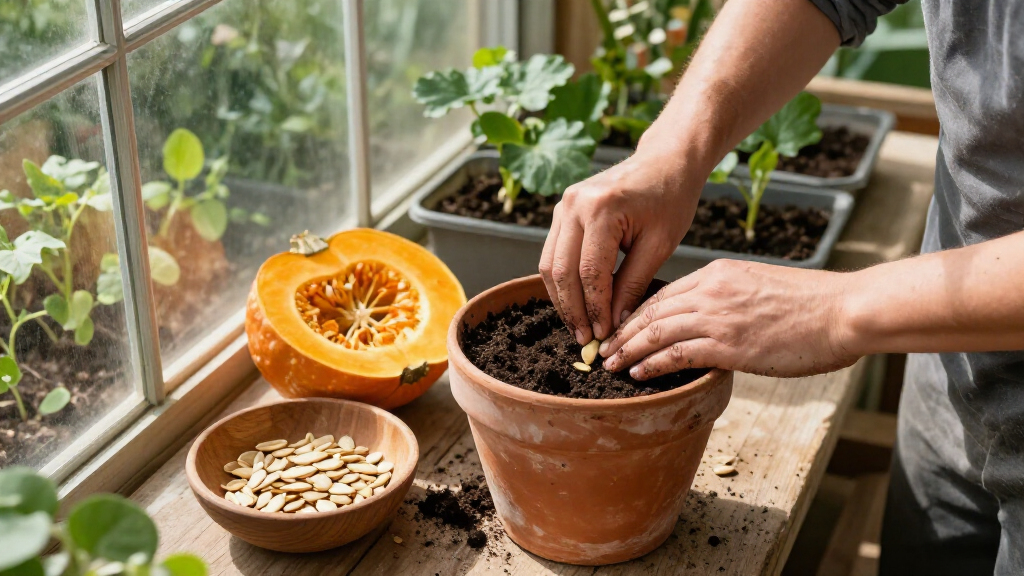
I ranked these seeds around the decisions gardeners actually face: the kind of pumpkin they want to harvest, how much planting flexibility a packet offers, and whether the package provides useful information such as a named variety, seed count, or clearly stated growing purpose. A packet with a defined use—such as carving, cooking, or growing large fruit—ranks ahead of a broad assortment when it gives buyers a clearer path to the harvest they want. Multi-variety packs earn their place when their range brings meaningful flexibility rather than simply a higher count.
The order also reflects tradeoffs. I gave the strongest positions to options that suit a wide range of home gardeners, then ranked more specialized picks for their distinctive strengths and narrower audience. Seed count alone did not determine placement: a large assortment may be a poor fit for a small garden, while a focused packet may be a better match for a specific harvest plan. Since the listed product details do not establish germination results or growing performance, I do not treat those as verified advantages.
| pumpkin seeds for planting | Sunlight |
|---|---|
| Seed Needs Specialty Pumpkin S | Full sun |
| Jocadew Dill’s Atlantic Giant | Full sun |
| Connecticut Field Pumpkin Seed | Partial sun |
| Seed Needs Spooky Blend Pumpki | Full sun |
| 10-Variety Heirloom Pumpkin Se | Full sun to partial shade |
| Heirloom Pumpkin Seeds | Full sun |
| Sugar Pie Pumpkin Seeds | — |
| Organic Pumpkin and Winter Squ | — |
| Small Sugar Pumpkin Seeds for | — |
| Sow Right Seeds Big Max Pumpki | — |
| Blue Jarrahdale Pumpkin Seeds | Full sun |
| 200+ Pumpkin Seeds for Plantin | Full sun to partial shade |
| Small Sugar Pie Pumpkin Seeds | Full sun |
| Big Max Heirloom Pumpkin Seeds | — |
| Fairytale Pumpkin Seeds for Pl | Full sun |
Factors to Consider When Choosing Best Pumpkin Seeds For Planting
Before choosing a packet, decide what you want to do with the pumpkins and how much growing space you can give them. The best fit may be a culinary variety, an assortment for experimentation, or a specialty seed for a particular fruit shape or size. These factors can help you compare packets beyond their names and counts.
Start With the Pumpkin’s Job
Decide whether your harvest is mainly for cooking, carving, decoration, or a size-growing project. Culinary types such as Sugar Pie are selected for a different purpose than traditional carving pumpkins or giant varieties. A decorative variety may be appealing but not the best match if you want predictable kitchen use. When a packet offers several kinds, check whether it names each variety so you can plan around the results. Avoid choosing by appearance alone if the harvest has a specific use. Matching the seed to the job narrows the field before packet count becomes a distraction.
Match Planting Space to the Variety
Pumpkins often need more room than a small packet makes apparent, and large-fruited types can be especially demanding. Consider the available bed, growing season, and whether vines can spread beyond the planting area. A high-count assortment may be appealing, but sowing every seed without a space plan can leave plants crowded. Check the seed packet’s spacing and days-to-maturity guidance before planting, since those details can vary by variety and climate. If space is limited, fewer plants chosen for a clear purpose are usually easier to manage than a broad trial. A giant-pumpkin packet makes most sense when you can devote room and attention to that goal.
Read Variety-Pack Labels Carefully
Assortments can make a garden more varied, but the word “variety” does not tell you how many seeds of each type are included. Look for a list of included varieties and per-variety counts, especially if you want a particular pumpkin rather than a surprise mix. A six-variety pack can offer a manageable trial, while a 10-variety pack with 200 or more seeds is better suited to larger plantings or seed sharing. Mixed packs also make it harder to reserve equal space for each type if the proportions are unclear. If you want to compare growth or fruit characteristics, keep each variety labeled from sowing through harvest. Choose a single-variety packet when consistency matters more than experimentation.
Treat Seed Count as Capacity, Not Value by Itself
More seeds are helpful if you plan to sow multiple plants, share seeds, or allow for some seedling losses. They are less useful when your garden has room for only a few vines or when you want one specific kind of pumpkin. Compare the count with your planned number of plants and the packet’s instructions rather than selecting the largest number by default. A smaller named-variety packet can reduce leftovers and make planting easier to organize. If you do have extra seeds, check storage directions and keep them dry and labeled. The practical choice is the packet that fits your planting plan, not simply the one with the biggest count.
Understand Labels and Claims
Heirloom, organic, and non-GMO labels describe different things, so they should not be treated as interchangeable. Read the package to see which claims are actually stated and whether the seller identifies a specific cultivar. These labels do not by themselves tell you how a variety will perform in your climate or whether its fruit suits your intended use. If organic seed is a priority, choose a packet that clearly identifies that attribute rather than inferring it from an heirloom description. For a named specialty pumpkin, check that the variety name is explicit. Clear labeling makes it easier to compare seeds and keep useful records from season to season.
Check Climate and Season Timing
A variety that fits your harvest goal still needs enough time to mature where you garden. Compare the packet’s days-to-maturity information with your local frost dates and growing season, and use local extension guidance when the packet leaves details unclear. Warm-season pumpkins are sensitive to cold, so rushing outdoor planting can put seedlings at risk. Starting seeds indoors may help in some areas, but transplanting large seedlings can disturb their roots; follow variety-specific instructions. Long-season or giant types may be harder to finish in cooler regions than smaller culinary pumpkins. Let your season length guide the choice before you commit garden space.
Frequently Asked Questions
Should I choose a pumpkin variety pack or one named variety?
Choose a variety pack if your goal is to try several pumpkin types, compare harvests, or share seeds with other gardeners. A named variety is a better fit when you already know you want a particular use, such as cooking or carving. Before buying an assortment, check the included variety names and how many seeds of each type it contains. If those details are vague, you may have less control over what you grow than the packet title suggests. For a first garden with limited space, one clearly identified variety can be easier to plan.
Are Sugar Pie seeds a better choice than carving pumpkin seeds?
They are better only if cooking is your main goal. Sugar Pie and Small Sugar types are presented as culinary choices, while Connecticut Field is the more direct match for a traditional carving harvest. Some gardeners want pumpkins for both purposes, but a single variety may not satisfy every use equally well. Decide which result matters most, then check the packet description for the intended use and maturity information. If you want both, a multi-variety pack can give you options, provided you have room for the additional plants.
Is a giant-pumpkin seed packet a sensible choice for a small garden?
Usually not if the garden has room for only a few compact plants. Atlantic Giant and Big Max options appeal to growers pursuing unusually large fruit, but that goal calls for space and ongoing attention. Before buying, review the packet’s spacing guidance and think about where vines can spread without blocking paths or other crops. A large pumpkin also needs a plan for harvest and handling. If space is tight, a culinary or traditional carving type may make better use of the bed.
Does a higher seed count mean I will get more pumpkins?
No; seed count tells you how many seeds are supplied, not how many plants will thrive or how much fruit they will produce. Germination, weather, pollination, spacing, and garden care all affect the harvest. A packet of 200 or more seeds may suit a larger planting or seed sharing, but it can be excessive for a small home garden. Plan how many plants you can support, then use packet instructions to decide how many seeds to sow. Buying extra is most useful when you have a clear use for the surplus.
What should I check before ordering pumpkin seeds for my growing region?
Check the listed days to maturity, planting instructions, and expected vine spacing, then compare them with your local frost dates and growing season. The product names in this roundup identify several distinct types, but a name alone does not confirm how well a variety fits your climate. If the packet does not give enough timing detail, consult a local extension service or seed supplier before committing. Cooler regions may have less time for long-season or giant pumpkins to mature. Choosing a variety that fits both your harvest goal and season length lowers the chance of ending the season with immature fruit.
Conclusion
My best overall choice is Seed Needs Specialty Pumpkin Seeds Variety Pack for gardeners who want several options without starting with the largest assortment. For best value in planting flexibility, the 200+ Pumpkin Seeds for Planting, 10 Heirloom Varieties, makes more sense when you have space or plan to share; its large count is less appealing for a compact garden. Beginners can start with a clearly named single-purpose choice such as Connecticut Field for carving or Sugar Pie for cooking, rather than managing many varieties at once. For a premium-style specialty pick, choose Blue Jarrahdale or Fairytale Musquée de Provence when their distinctive fruit is the reason you are planting. Growers seeking giant pumpkins should look at Atlantic Giant or Big Max, while culinary gardeners should favor Sugar Pie or Small Sugar. The best seed packet is the one that matches your harvest goal, available space, and growing season—not simply the one with the most seeds.