TL;DR

Get garden gear delivered free — and shop member deals
- Fast, free delivery on millions of items
- Access to Prime Big Deal Days deals on October 6–7
- Prime Video, Amazon Music and more included
Six key flowers can sustain pollinators throughout summer and into fall. Experts emphasize planting these to support bee and butterfly populations. The choice of flowers is crucial for ecological balance.
Experts recommend planting six specific flowers to support pollinators from summer through to the first frosts. This advice aims to help address declining bee and butterfly populations by providing vital nectar and pollen sources during critical months, making it a key ecological intervention for gardeners and conservationists.
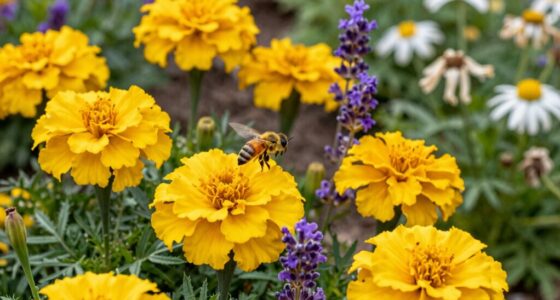
The six flowers identified as essential for pollinators are coneflowers, goldenrod, asters, sunflowers, lavender, and milkweed. These plants are confirmed to provide abundant nectar and pollen, which are crucial for the survival of bees, butterflies, and other pollinators during the late summer and fall months, according to conservation experts.
Planting these flowers can help sustain pollinator populations as natural food sources decline in many regions due to habitat loss and pesticide use. Experts from the Pollinator Partnership and local conservation groups emphasize that a diverse array of native plants is the most effective way to support pollinators over an extended period.
While the list of six flowers is based on current ecological research, specific regional adaptations may vary. Gardeners are encouraged to select native species where possible and consult local extension services for tailored advice.
Why Supporting Pollinators with These Flowers Matters
Supporting pollinators with these six flowers is vital because many bee and butterfly populations are declining due to habitat destruction, pesticide exposure, and climate change. Pollinators are essential for the pollination of over 75% of flowering plants and approximately 35% of crops worldwide, according to the Food and Agriculture Organization.
By planting these flowers, gardeners and farmers can help bolster pollinator health, which in turn supports food security, biodiversity, and ecological resilience. The initiative aligns with broader conservation efforts to restore pollinator habitats and reduce reliance on chemical pesticides.
As an affiliate, we earn on qualifying purchases.
Recent Declines and the Role of Native Flowers in Pollinator Support
Over recent years, pollinator populations have faced significant declines, with reports indicating reductions of up to 30% in some regions. Factors contributing to this trend include habitat loss, pesticide use, monoculture farming, and climate change. Conservation groups have increasingly promoted planting native flowers that bloom throughout the growing season to provide continuous food sources for pollinators.
The identification of these six flowers builds on decades of ecological research highlighting the importance of native plants in sustaining pollinator health. Several recent studies have demonstrated that diverse, native flowering plants can significantly improve pollinator survival rates during late summer and fall, critical periods for preparing for winter.
“Home gardeners can play a vital role by incorporating these flowers into their landscapes, helping to sustain pollinators beyond peak blooming seasons.”
— Sarah Lopez, Garden Conservationist
native wildflower seed mix for bees and butterflies
As an affiliate, we earn on qualifying purchases.
As an affiliate, we earn on qualifying purchases.
Regional Variations and Long-Term Effectiveness of Flower Choices
While the six flowers are broadly recommended, their effectiveness may vary based on regional climate, soil conditions, and local pollinator species. It is still unclear how well these specific plants perform in different environments or how they compare to other native species not included in the list. Ongoing research aims to clarify these aspects.
Additionally, the long-term impact of planting these flowers on overall pollinator population recovery remains to be fully assessed, with some experts calling for more localized studies.
As an affiliate, we earn on qualifying purchases.
Monitoring Pollinator Responses and Promoting Native Plantings
Researchers and conservation groups plan to monitor pollinator responses to increased planting of these six flowers over the coming seasons. Efforts will include community-based projects and partnerships with local nurseries to promote native plantings.
Further guidance is expected to be issued based on ongoing studies, helping gardeners and farmers optimize their plant choices for maximum ecological benefit. Policymakers may also consider incentives for native planting initiatives to support pollinator health nationwide.
flower bulbs for pollinator gardens
As an affiliate, we earn on qualifying purchases.
As an affiliate, we earn on qualifying purchases.
Key Questions
Why are these six flowers considered vital for pollinators?
These flowers provide abundant nectar and pollen during late summer and fall, which are critical periods for pollinator survival before winter. They are native plants proven to support bee and butterfly populations effectively.
Can I plant these flowers in any region?
While generally beneficial, it is best to select native varieties suited to your local climate and soil conditions. Consult local extension services for tailored advice.
How do these flowers help pollinators beyond providing food?
Native flowering plants also support pollinator habitat, offering shelter and breeding sites, which are essential for long-term population health.
Are there any risks associated with planting non-native flowers?
Non-native plants can sometimes disrupt local ecosystems or become invasive. It is recommended to prioritize native species for ecological compatibility and effectiveness.
Source: rss
Fall yard work Picks
leaf blowers
As an affiliate, we earn on qualifying purchases.