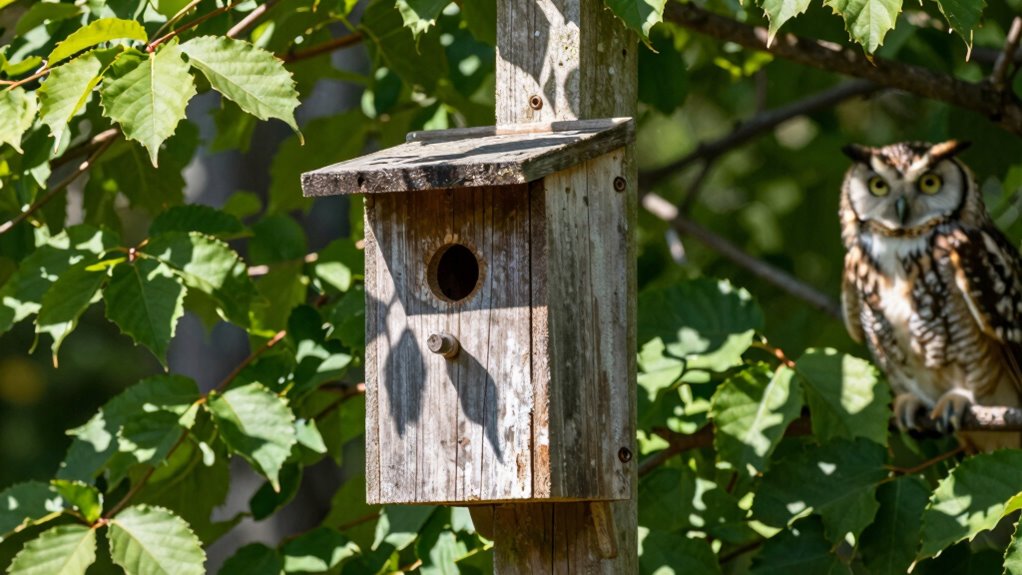

Owl boxes can help lower rodent numbers naturally, but they aren’t a quick fix. You should expect gradual results since owls take time to find and occupy the boxes, and they won’t eliminate all mice or rats. Combining owl boxes with good sanitation, removing food sources, and reducing clutter boosts success. If you’re curious about how to set realistic expectations and improve your rodent control plan, keep exploring the details that can make a difference.

Get garden gear delivered free with Prime
- Fast, free delivery on millions of items
- Prime Video, Amazon Music and more included
- Member-only deals all year
Key Takeaways
- Owl boxes support natural rodent control but do not eliminate all mice or rats immediately.
- Success depends on proper box placement, habitat suitability, and local owl species.
- Owls are effective over time but require patience for occupancy and results.
- Combining owl boxes with sanitation and habitat management enhances rodent control efforts.
- Owl boxes contribute to ecological balance but are not a standalone, complete solution.
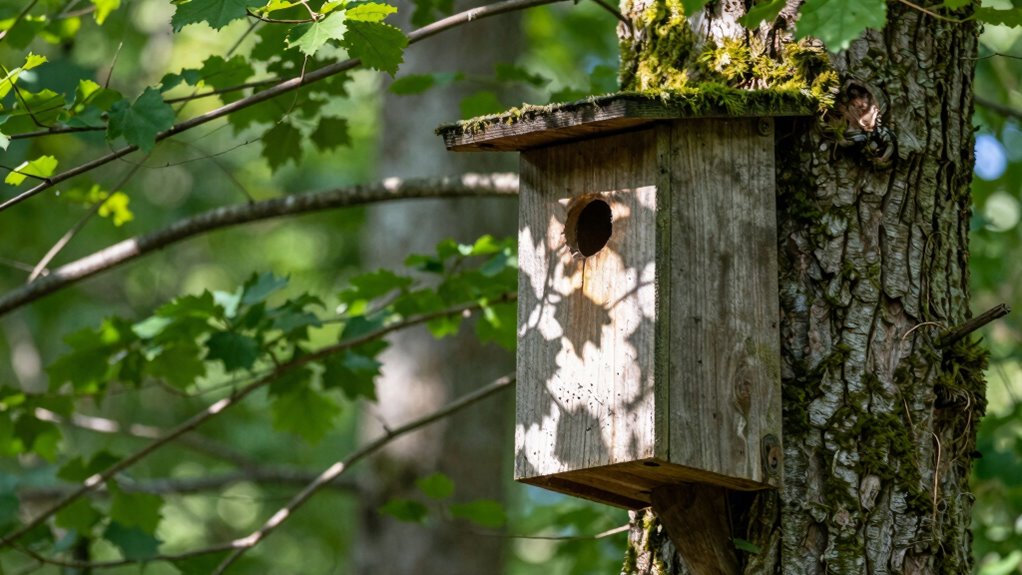
Have you ever considered how installing owl boxes can naturally reduce your rodent problem? Many people overlook this simple solution, but it offers benefits beyond just pest control. When you install an owl box, you’re not only inviting these fascinating birds into your property but also supporting bird conservation efforts. Owl boxes provide safe nesting sites in areas where natural tree cavities might be scarce, especially in urban or suburban settings. This habitat enhancement encourages more owls to settle nearby, increasing their presence and, consequently, their impact on local rodent populations.
While many expect owl boxes to eliminate rodents entirely, it’s important to manage your expectations. Owls are skilled hunters, but they’re not magic; they won’t eradicate every mouse or rat on your property. Instead, they serve as a natural control method, reducing the number of rodents over time. The effectiveness depends on several factors, including the local owl species, the size of the rodent problem, and the habitat surrounding the box. For example, barn owls are excellent for open fields and farms, while screech owls may thrive in wooded areas. Installing the right type of box in an appropriate environment increases the chances of attracting owls and seeing a noticeable decline in rodents.
Owls help reduce rodents naturally, but won’t eliminate every mouse or rat on your property.
Beyond pest control, adding owl boxes contributes positively to bird conservation and habitat enhancement. By providing nesting sites, you help sustain local owl populations, which might otherwise struggle due to habitat loss. Supporting these predators helps maintain ecological balance, as owls are a crucial part of the food chain. As you encourage these birds to settle nearby, you also promote biodiversity and strengthen the health of your local ecosystem. Additionally, understanding the importance of habitat preservation can help you create an environment that attracts and sustains owls effectively. Creating a sustainable environment for wildlife increases the likelihood of long-term success for your owl box project.
However, installing an owl box isn’t a guaranteed fix. It’s a step toward a more natural approach to managing rodents, but it works best when combined with other measures like proper sanitation, removing food sources, and reducing clutter that offers rodents shelter. Keep in mind that patience is key—owls may take some time to discover and occupy their new home. Habitat suitability is essential for attracting owls, and providing a diverse environment can significantly improve your chances. Once established, they can become an ongoing, eco-friendly solution to your rodent issues. Moreover, understanding ecological balance can help you appreciate the broader role of predators like owls in natural pest control. Additionally, creating bird-friendly environments can further enhance your efforts to attract these beneficial species.
As an affiliate, we earn on qualifying purchases.
Frequently Asked Questions
How Long Does It Take for Owls to Occupy a New Box?
It usually takes a few weeks for owls to occupy a new box, but this depends on species compatibility and local owl populations. If your box is suitable and located in a good habitat, owls might show interest quickly. Providing proper nesting success conditions, like the right height and minimal disturbance, encourages occupancy. Be patient, as some species may take longer or need more time to adapt before nesting.
Are Owl Boxes Effective Year-Round for Rodent Control?
Owl boxes act like secret gardens for rodent control, but their effectiveness varies with seasons. You might find them more reliable during winter when owls hunt more actively, aligning with their habitat preferences. In warmer months, their impact lessens as owls breed and focus on raising young. So, while they help year-round, expect seasonal fluctuations in rodent reduction. Use them as part of a broader pest management plan for best results.
Can Other Animals Use Owl Boxes Besides Owls?
Other animals can sometimes use owl boxes, especially if they resemble natural bird habitats. Small birds might nest in them if the box provides adequate space and shelter, and their nesting behavior is adaptable. However, most owl boxes are designed specifically for owls, so while it’s possible for some species to use them, it’s not very common. Ensuring proper placement and design can encourage other wildlife to utilize these boxes effectively.
How Do I Prevent Predators From Raiding Owl Boxes?
To prevent predators from raiding owl boxes, you should use predator deterrents like metal bates or predator guards, which make it harder for predators to access the box opening. Additionally, employ strategic box placement strategies by installing the box at the right height (around 10-20 feet), away from dense cover or branches where predators may hide. Regularly inspect and maintain the boxes to confirm they remain secure and predator-proof.
What Is the Best Location for Installing Owl Boxes?
You should install owl boxes in quiet, mature trees or on sturdy poles about 10-20 feet high, where owls can easily access their nesting sites. Consider their nesting habits—placing boxes near open fields or water sources attracts them. Regular box maintenance guarantees safety and cleanliness, encouraging owls to nest. Avoid overly exposed locations, and make sure the site provides some cover, helping owls feel secure and boosting successful nesting outcomes.
As an affiliate, we earn on qualifying purchases.
Conclusion
Think of owl boxes as a tool in your rodent control toolkit, not a magic wand. I once knew a farmer who installed a few, only to find that they attracted not just owls but a surprising number of beneficial insects, too. Just like a well-tended garden needs consistent care, relying solely on owl boxes won’t instantly solve your rodent issues. Manage expectations, stay patient, and combine methods for the best results—nature often works best with a little help.
As an affiliate, we earn on qualifying purchases.
As an affiliate, we earn on qualifying purchases.
Columbus Day / Indigenous Peoples' Day Picks
long weekend sales
As an affiliate, we earn on qualifying purchases.