TL;DR

Get garden gear delivered free with Prime
- Fast, free delivery on millions of items
- Prime Video, Amazon Music and more included
- Member-only deals all year
Homes & Gardens has published a four-step guide to keeping citronella plants through winter in climates where frost makes them vulnerable outdoors. It advises moving plants inside as nighttime temperatures approach 45°F, pruning them, providing a bright location and watering only after the soil dries.
Homes & Gardens has published a four-step guide to overwintering citronella plants indoors, advising gardeners in frost-prone areas to move them inside as nighttime temperatures approach 45°F. The instructions cover pruning, winter light and reduced watering for a plant the source identifies as hardy outdoors only in US hardiness zones 9–11.
The guide says citronella plants growing in containers can be moved to a bright, cool, frost-free location. Plants in garden beds should be dug up and potted in well-draining soil before being brought indoors. It recommends a winter temperature of 45°F to 50°F and cautions against placing plants near radiators, air ducts or heating vents, where temperatures may fluctuate.
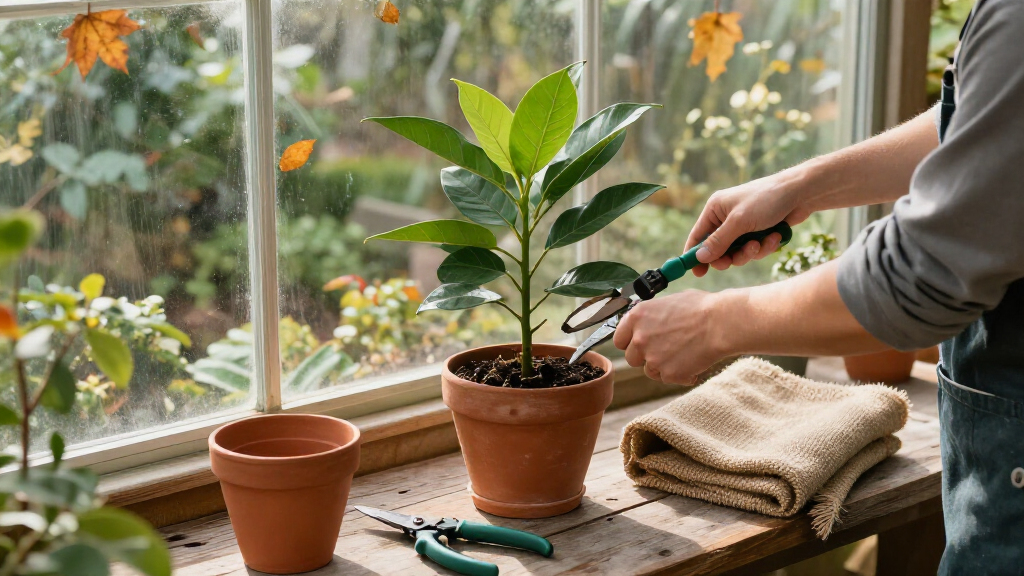
Once indoors, the plant can be cut back by up to half, using clean, sharp pruning shears and cutting stems just above a leaf node. The article suggests checking for pests and eggs before bringing the plant inside. It says stem cuttings can be used to propagate plants, but does not provide a guarantee that every cutting or overwintered plant will survive.
For the remaining steps, the guide recommends a sunny spot with at least six hours of light daily, with a full-spectrum LED grow light as a supplement when natural light is insufficient. Watering should be reduced: allow the soil to dry between waterings, and expect that this may mean watering every two to four weeks indoors, depending on conditions. The source also warns that citronella is toxic to people and pets, so indoor plants should be kept out of their reach.
Keeping Citronella Through Winter
The advice gives gardeners in colder climates a way to try to preserve a tender plant rather than discard it at the end of summer. If successful, overwintering can reduce the need to buy replacements each year, a benefit the article frames as a more sustainable approach to seasonal gardening. The results will depend on indoor conditions and plant health; the guide does not promise survival.
Timing is a practical concern. The article says extended periods below 45°F can cause wilting and yellowing, while frost can severely damage or kill the plant. Gardeners therefore need to monitor local forecasts and move plants before frost, rather than waiting for visible damage. The guidance also matters for household safety because the source identifies citronella as toxic to both humans and pets.
The article distinguishes the plant’s appealing scent from a commonly repeated claim about mosquito control. It says the citrus-like smell is thought to deter mosquitoes, but that effect has not been proven. The plant’s value as a scented ornamental is separate from any unverified pest-repellent benefit.
Products Worth Considering

Orbit B-hyve XR 8-Zone Indoor/Outdoor Smart Sprinkler Controller

EGO POWER+ HT2600 26-Inch Cordless Hedge Trimmer (Battery and Charger Not Included)

Greenworks 40V 16-inch Push Lawn Mower with 4.0 Ah Battery and Charger
As an affiliate, we earn on qualifying purchases.
A Tender Scented Pelargonium
The plant discussed is citronella, identified in the source as Pelargonium citrosum, a scented-leaf pelargonium with textured foliage and delicate pink flowers. Its leaves release a strong citrus-like fragrance when crushed or brushed. The source says it is hardy outdoors in US hardiness zones 9–11; in warmer climates it may grow as a perennial, while gardeners in colder areas can treat it as an annual or bring it indoors.
The four-step advice is specific to indoor winter care: move the plant before cold nights and frost, cut it back, give it light and air circulation, and water less frequently. It is not a claim that citronella can safely remain outdoors through winter in every region. The source gives no publication date in the supplied material, so the timing here is based on its temperature guidance rather than a dated seasonal announcement.
““The time to bring citronella plants indoors is when nighttime temperatures start falling to 45°F.””
— Homes & Gardens
Survival Depends on Indoor Conditions
The guide does not specify how well citronella plants survive winter across different homes, nor does it give a single watering schedule that fits every pot, room or climate. Its suggested two-to-four-week interval is conditional: the article says to check the soil and wait until it dries before watering again. The supplied source text also ends during its watering discussion, so any additional advice beyond the described steps cannot be verified here.
The mosquito-repellent effect remains unproven according to the source. It does not present new research or evidence establishing that the plant prevents bites. The publication date is also not stated in the supplied material, and the guide does not report a measured success rate for overwintering.
Move Plants Before Frost Arrives
Gardeners following the guide should watch nighttime forecasts and act as temperatures approach 45°F. Container plants can be moved directly to a suitable indoor spot; plants in beds need to be lifted and potted. After bringing them in, the recommended sequence is to prune and inspect for pests, set up bright and well-ventilated conditions, and monitor soil moisture rather than watering on a fixed calendar.
The source provides no later milestone or follow-up report. The next check for individual gardeners is whether plants remain healthy as winter progresses; the guide’s advice is to keep them frost-free, provide adequate light and avoid persistently wet soil.
Key Questions
When should I bring citronella indoors?
The Homes & Gardens guide says to move it inside as nighttime temperatures fall to about 45°F, before frost. It says extended periods below that temperature can cause wilting and yellowing, and frost can severely damage or kill the plant.
What temperature and light does citronella need indoors?
The article recommends a cool winter location around 45°F to 50°F, protected from frost and temperature swings. It advises at least six hours of light per day, using a grow light if natural light is insufficient.
How often should I water citronella over winter?
The guide says winter watering may be needed every two to four weeks, but the soil should dry before the next watering. The interval will depend on the plant and its indoor conditions.
Does citronella repel mosquitoes?
The source says citronella is thought to deter mosquitoes, but that effect has not been proven. It describes the plant as a fragrant ornamental, not as a confirmed mosquito-control method.
Is citronella safe around children and pets?
The article warns that citronella is toxic to both humans and pets. It recommends keeping indoor plants out of their reach.
Source: homesandgardens.com