TL;DR
Pollinator experts advise gardeners to preserve leaf litter, twigs and other undisturbed shelter where bees may overwinter, and to leave it in place until mid- to late spring. Late-season and early-blooming flowers can provide food for bees when they are active, though the best choices depend on local conditions.
Pollinator experts say gardeners can help bees through winter by leaving some fallen leaves, twigs and grass undisturbed, preserving bare soil for ground-nesting species and providing flowers for bees active late in the season or early in spring. The advice matters because autumn cleanup can remove shelter or disturb bees developing and resting in garden habitats.

Get garden gear delivered free with Prime
- Fast, free delivery on millions of items
- Prime Video, Amazon Music and more included
- Member-only deals all year
Where bees spend winter varies by species. David M. Burrows, a pollinator expert at Arkearth, says honeybees stay together in their hive around the queen, while some solitary bees shelter in hollow stems, dead wood or underground. Bumblebees and other solitary bees may also use leaf piles, twigs, holes or purpose-made bee houses. The forms that survive winter differ too: Burrows says some solitary bees overwinter as larvae, while young, mated bumblebee queens make it through the cold months.
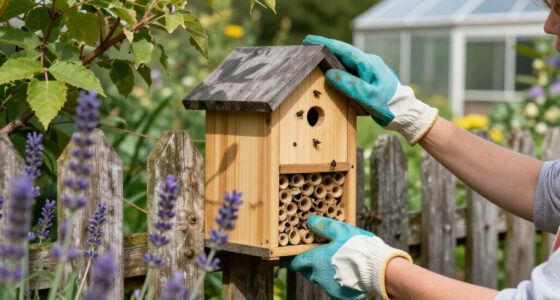
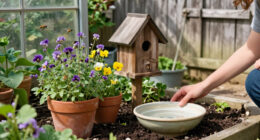
Gardeners can leave an undisturbed corner with leaves, twigs and grass cuttings, and retain a patch of bare soil for bees that nest underground. Burrows recommends leaving the material until mid- to late spring, rather than raking or removing it during winter. A bee or insect house can offer additional nesting cavities, but the source does not say that every bee species will use one.
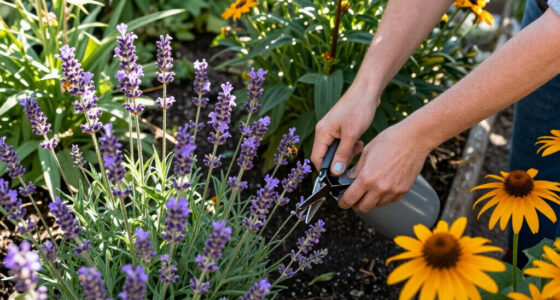
Flowers can help bees that are still foraging and provide food as they emerge from dormancy. Stephen Janacek, founder of Pollinator Patch, recommends fall asters, goldenrod and mistflowers as late-season options. Burrows suggests rosemary, lavender and marjoram for early blooms; hellebores, crocuses and cowslips are also listed as early-spring choices. The guidance is to combine shelter with forage, while recognizing that flowering times and suitable plants vary by region.
Protect bees through the garden winter
Preserve shelter and food for bees that overwinter or forage through the cold months. Their needs vary by species and local conditions.
Different bees, different shelter
A single garden can offer several kinds of habitat.
Honeybees cluster
They stay together in the hive around the queen.
Solitary bees tuck away
Some use hollow stems, dead wood, leaf piles or underground nests.
Life stages vary
Some solitary bees overwinter as larvae; young, mated bumblebee queens may survive until spring.
Keep a quiet corner
Autumn cleanup can remove shelter or disturb bees still developing.
Keep some leaves, twigs and grass cuttings undisturbed.
Ground-nesting bees may need undisturbed soil.
Leave sheltered material until mid- to late spring.
Offer flowers across the season
Late-season and early-blooming plants can provide food when bees are active.
- Fall asters
- Goldenrod
- Mistflowers
- Rosemary, lavender and marjoram
- Hellebores, crocuses and cowslips
Winter Shelter Protects Developing Bees
Winter garden work can affect more than the appearance of a yard. Leaf litter, stems and bare ground may be shelter or nesting habitat, so removing them all at once can displace bees or disturb individuals still developing. Leaving some areas untouched gives them a chance to remain sheltered until conditions permit activity to resume.
Food availability also matters at the edges of winter. In milder climates, some bees may still forage in late November or December, according to the source material, and early-flowering plants can provide nectar and pollen when bees emerge. A garden with both protected habitat and flowers can serve different needs across the season, though the guidance does not quantify how much it improves local bee populations.
Products Worth Considering

Solo Stove Basecamp 24-Inch Smokeless Wood-Burning Fire Pit with Stand
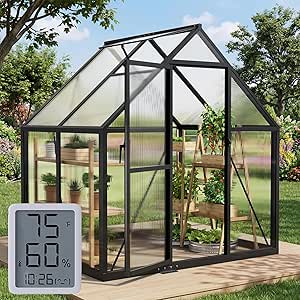
Sylviera 6 × 4 ft Polycarbonate Greenhouse with Hygrometer

Rachio 3 Smart WiFi Sprinkler Controller, 8-Zone
As an affiliate, we earn on qualifying purchases.
Different Bees, Different Winter Habitats
There is no single winter pattern for all bees. Burrows describes honeybees as remaining in a hive, with workers clustering around the queen and maintaining warmth. Other species spend the cold period in different places and life stages: solitary bees may overwinter in nests as larvae, while some bumblebee queens shelter until spring. The source describes this dormant period as diapause.
That variation explains why broad cleanup can be risky and why one type of bee house will not address every species’ needs. Natural materials and undisturbed soil can provide habitat alongside constructed nesting features. The advice is seasonal rather than a report of a new study or policy: it draws on comments from Burrows and Janacek, and the source provides no measured results comparing the suggested practices.
Local Conditions Shape the Advice
The source does not specify how many bees are present in a typical garden over winter or quantify the effect of leaving leaf piles, planting flowers or installing a bee house. It also does not provide region-by-region planting calendars. Climate, species and flowering dates vary, so the listed plants may not suit every location or bloom at the same time everywhere.
It is also not clear which bees are using a particular yard without identifying their species and nesting sites. The guidance describes possible habitats, not a guarantee that a given pile of leaves or commercial bee house will be occupied. Gardeners should treat the recommendations as general habitat advice rather than a promise of a particular outcome.
Keep Shelter Until Spring Activity
For now, gardeners following the advice can mark out a corner that will not be raked, mowed or cleared, retain some bare soil and check whether late-season flowers are available. Leave the sheltered material in place through winter and, as Burrows recommends, until mid- to late spring. Before planting, check which species flower at the right time in the local climate.
As bees begin to emerge, the next practical step is to maintain or add early-blooming plants and keep suitable habitat in the garden. The source gives no specific date for spring emergence or further scheduled announcement; activity will depend on local weather and species.
Key Questions
Should I clear leaves from my garden in winter?
Keep at least one safe area with leaves, twigs and grass cuttings undisturbed. The expert guidance recommends waiting until mid- to late spring before removing that material.
Where do bees shelter during winter?
It depends on the species. Bees may shelter in hives, hollow stems, dead wood, leaf piles, holes or underground. Some solitary bees overwinter as larvae, while young, mated bumblebee queens may survive until spring.
Can a bee house protect all garden bees?
No. Some bees may use nesting cavities in a bee house, but many shelter in natural materials or underground. A bee house is one possible habitat, not a substitute for every kind of nesting site.
What flowers can help bees in winter and early spring?
The experts name fall asters, goldenrod and mistflowers for late-season forage, and rosemary, lavender, marjoram, hellebores, crocuses and cowslips for early-season blooms. Check local planting guidance because flowering times vary by region.
Source: homesandgardens.com