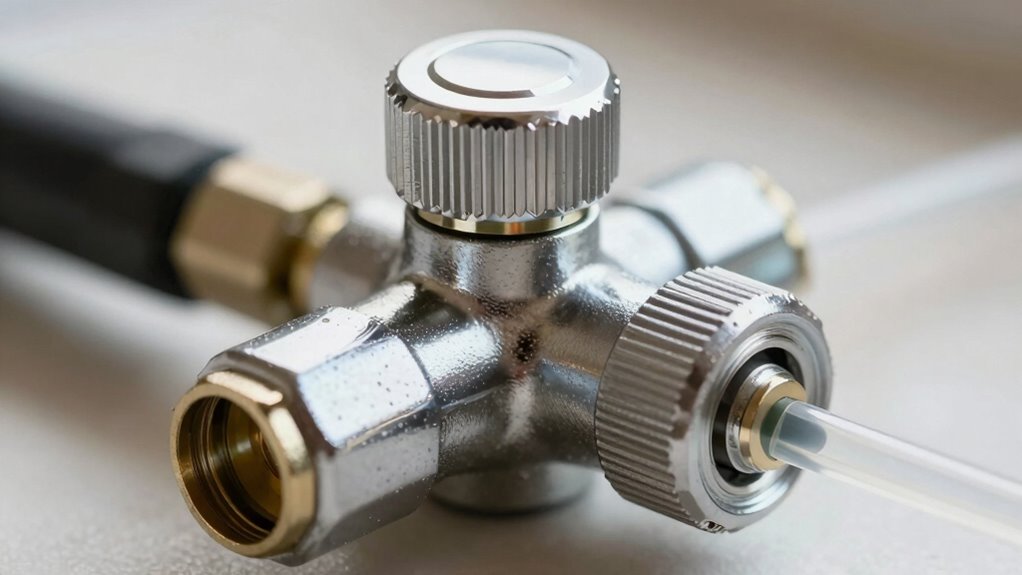

A pressure regulator is a small but essential part of your drip irrigation system that prevents damaging pressure buildup, which can cause blowouts or leaks. It works by maintaining a consistent flow and reducing excess water pressure before it reaches your emitters and tubing. Properly functioning regulators extend your system’s lifespan and ensure even watering. If you’re unsure about how to choose or maintain one, learn more to keep your system safe and efficient.
Key Takeaways
- Proper pressure regulators maintain optimal water pressure, preventing blowouts and damage to drip irrigation systems.
- Selecting regulators with appropriate pressure ranges ensures protection against pressure spikes and fluctuations.
- Regular inspection and maintenance of regulators help identify leaks or malfunctions that could cause blowouts.
- Pressure regulators help distribute water evenly, reducing stress on emitters and preventing system failures.
- Compatibility and correct installation of regulators are essential to prevent pressure-related blowouts and extend system lifespan.
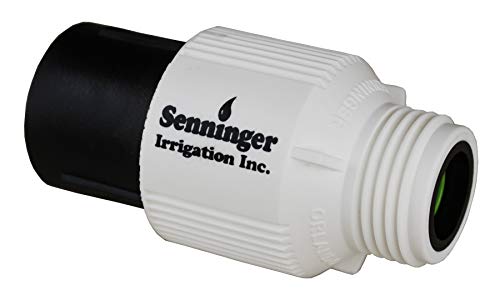
Senninger Pressure Regulator 25 PSI 3/4" Hose Thread Drip Irrigation Pressure Reducer Low Flow Valve – Landscape Grade High Performance White
Ideal for installations requiring lower flows such as solid set, drip line, soaker hose and other low pressure…
As an affiliate, we earn on qualifying purchases.
As an affiliate, we earn on qualifying purchases.
Why Proper Pressure Regulation Is Essential for Drip Irrigation

Proper pressure regulation is essential for ensuring your drip irrigation system works efficiently. When pressure is too high, water flow becomes excessive, leading to over-irrigation and soil moisture imbalance. This can cause runoff, waste water, and uneven watering, making your plants vulnerable to disease and stress. Conversely, low pressure restricts water flow, resulting in dry spots and insufficient soil moisture. Maintaining ideal pressure guarantees consistent water delivery, promoting healthy plant growth and efficient water use. It also prevents damage to emitters and tubing caused by pressure fluctuations. Reliable pressure regulation is key to preventing system failures and ensuring long-term performance. Additionally, understanding pressure fluctuations helps you troubleshoot and adjust your system for optimal operation. Properly managing pressure also involves considering system components, which can impact overall efficiency and durability. Regularly monitoring pressure levels can help you detect and correct issues before they cause system failure. Incorporating pressure regulation devices can further stabilize water flow and protect your system from damage.

2pcs Garden Hose Pressure Regulator 25 PSI, 3/4" FHT × 3/4“ MHT, Pressure Reducer, Great for Drip Irrigation System Distributing Regulator drip Irrigation Parts emitters for drip line (2 Pack)
25 PSI preset pressure regulators (hose thread) are used to reduce and regulate the incoming pressure of a…
As an affiliate, we earn on qualifying purchases.
As an affiliate, we earn on qualifying purchases.
How Do Pressure Regulators Prevent Blowouts and Damage?
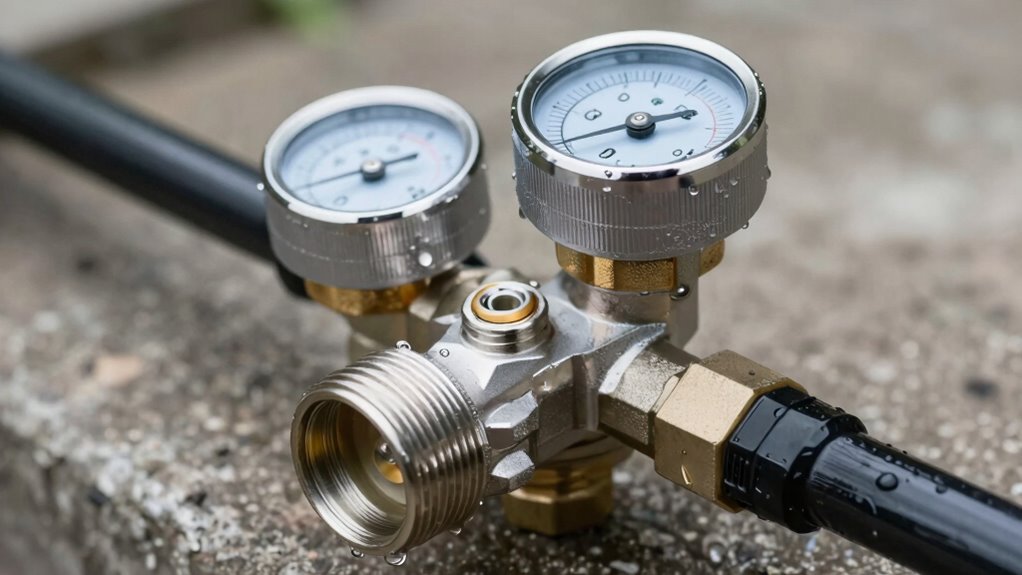
Pressure regulators actively control water pressure within your drip system, preventing sudden surges that can cause blowouts or damage. By maintaining a steady pressure, they minimize pressure fluctuation and protect your lines from system overload. Properly functioning regulators ensure water flows at a safe, consistent rate, reducing stress on components. Here’s a quick overview of key pressure regulator benefits:
| Benefit | Explanation |
|---|---|
| Prevents blowouts | Keeps pressure below damaging levels |
| Reduces system overload | Avoids stress on pipes and emitters |
| Minimizes pressure fluctuation | Ensures consistent watering performance |
| Protects system integrity | Extends lifespan of your irrigation setup |
Effective pressure regulation also prevents pump damage by preventing pressure spikes that can stress your entire irrigation system. Regular maintenance of these regulators is essential to maintain their optimal performance and ensure continued protection against pressure-related issues. Additionally, understanding pressure regulation is crucial for designing a reliable and efficient drip irrigation system. Proper system setup can further enhance the effectiveness of pressure regulators and prevent potential failures.

Vibrant Yard Co. Heavy Duty 25 PSI Lead-Free Brass Pressure Regulator for Soaker Hose and Drip Irrigation System with 3/4" Connections
Professional-grade pressure control: Heavy duty lead-free brass pressure regulator maintains consistent water pressure between 20-30 PSI (25 PSI…
As an affiliate, we earn on qualifying purchases.
As an affiliate, we earn on qualifying purchases.
How to Tell When Your Drip System’s Pressure Regulator Needs Repair or Replacement?
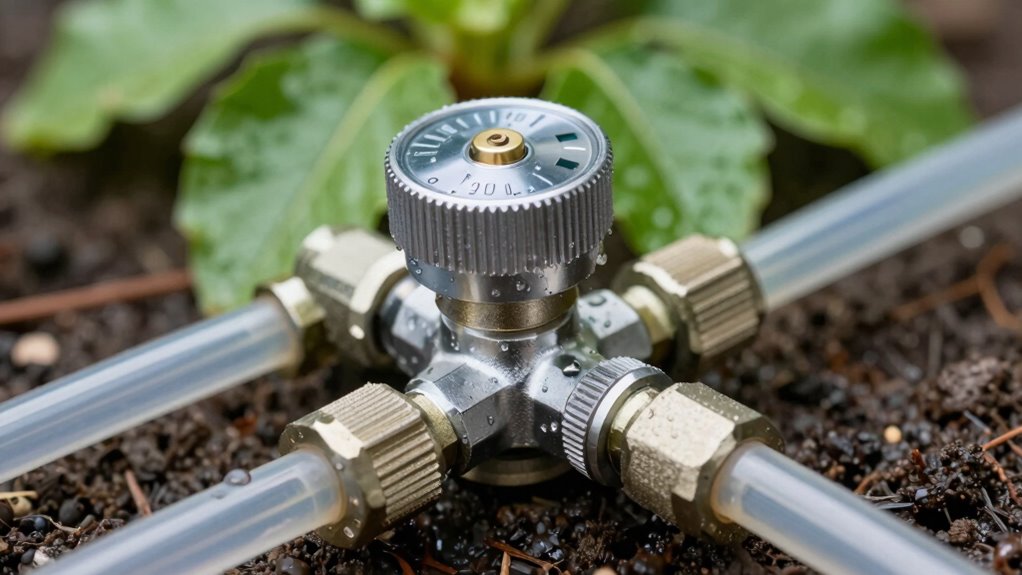
Over time, even the best pressure regulators can wear out or malfunction, compromising your drip system’s performance. If you notice uneven soil moisture, it’s a sign your regulator may be failing, causing inconsistent watering. Reduced water flow or pressure fluctuations can also indicate trouble, leading to overwatering or underwatering plants. Additionally, if you hear hissing sounds or see leaks around the regulator, it’s time to check and possibly replace it. A faulty regulator can waste water and hinder water conservation efforts. Regularly inspecting your system helps catch issues early, ensuring your plants get the right amount of water. Understanding how pressure regulation works can help you better diagnose and prevent problems. Knowing how to identify early signs of pressure regulator failure allows for prompt repairs, reducing the risk of damage to your system. A worn or damaged regulator can also cause pressure fluctuations that stress your plants and reduce watering efficiency. Incorporating regular filter checks into your maintenance routine can prevent debris buildup that may impair regulator function. Addressing these issues promptly through system maintenance keeps your drip system efficient, preventing damage and promoting healthy plant growth.

Lwuey Greenhouse Water Pressure Regulator, G3/4in Adjustable Valve Gauge Garden Lawn Patio Irrigation Controller Accessories Visualized Turning Wheel Adjustment Plumbing System Reducer Watering
Visualized Pressure Adjustment: The water pressure regulator for patio features a visualized pressure adjustment mechanism, allowing users to…
As an affiliate, we earn on qualifying purchases.
As an affiliate, we earn on qualifying purchases.
Key Factors to Consider When Choosing a Drip Irrigation Pressure Regulator
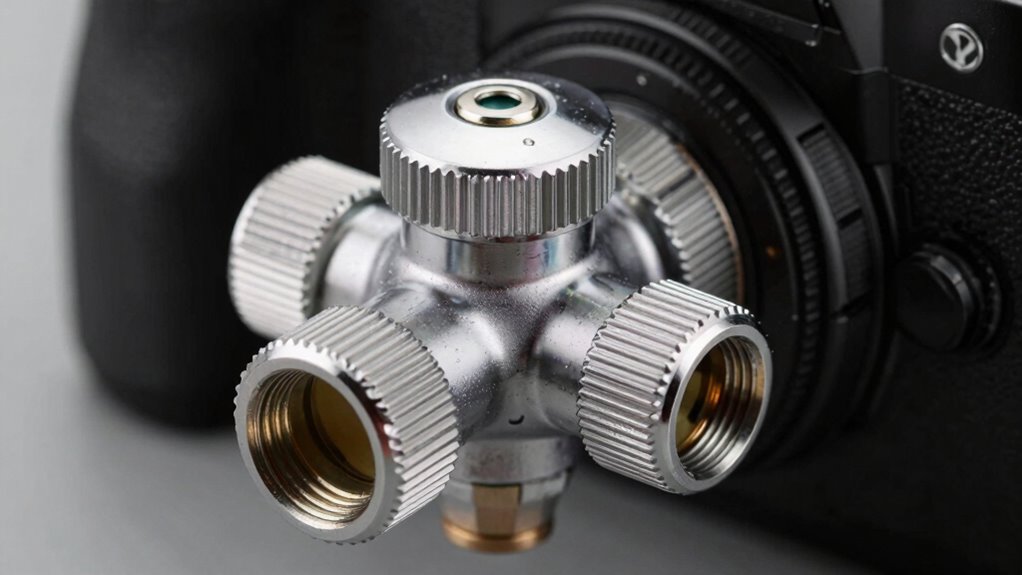
Choosing the right drip irrigation pressure regulator involves considering several key factors to guarantee your system functions efficiently. First, evaluate how well the regulator handles pressure fluctuations, since inconsistent pressure can cause uneven watering or blowouts. Next, consider your system’s flow rate and pressure needs to ensure proper regulator selection. Compatibility with your existing setup is also vital to prevent leaks or malfunctions.
| Factor | Why It Matters |
|---|---|
| Pressure Range | Handles fluctuations without failure |
| Flow Rate Compatibility | Ensures even water distribution |
| Durability | Long-term performance under outdoor conditions |
How to Install and Maintain Your Pressure Regulator for Long-Term Performance
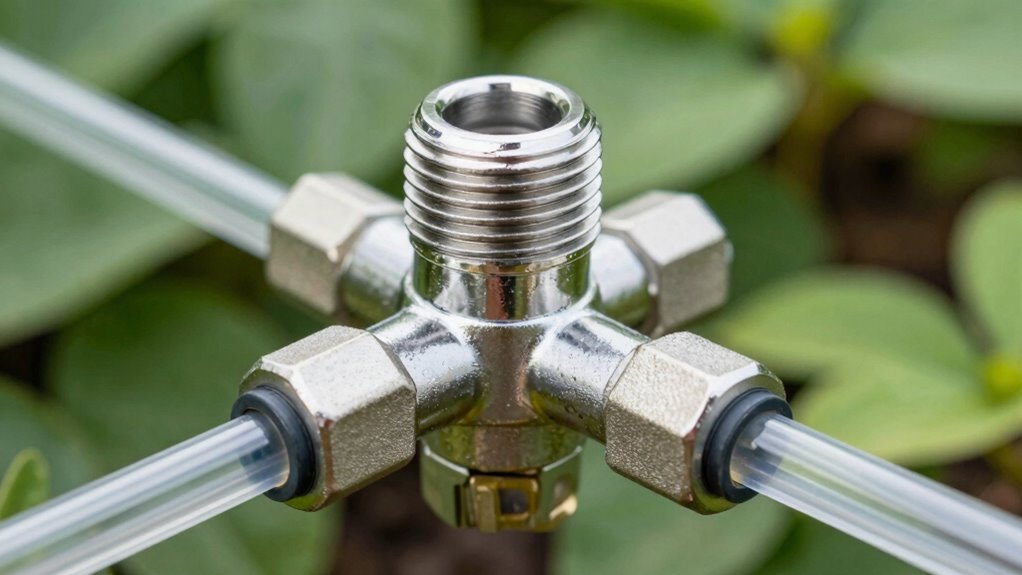
To keep your pressure regulator working smoothly, you need to install it correctly and perform regular maintenance checks. Make sure you’re following proper installation techniques to prevent issues down the line. If problems arise, troubleshooting common issues can save you time and keep your drip system running efficiently. Additionally, understanding indoor air quality can help you identify potential environmental factors that may affect your system’s performance. Proper ventilation and monitoring air quality levels can further ensure your system operates under optimal conditions, especially since environmental factors can impact water chemistry and overall system longevity. Regularly inspecting your pressure regulation components can help catch early signs of wear before they cause significant problems. Being aware of system compatibility and ensuring all parts are correctly matched can also prevent malfunctions and extend the lifespan of your setup.
Proper Installation Techniques
Proper installation of your pressure regulator is essential for ensuring reliable and long-lasting performance. Start by selecting the right installation fittings to prevent leaks. Attach the regulator securely, making sure the flow direction matches the arrow marked on it. Use a pressure gauge to monitor and adjust the pressure accurately. Tighten fittings snugly but avoid over-tightening, which can damage components. Check for leaks after installation by running water through the system. Regularly inspect the pressure gauge to ensure consistent readings. Maintain a clean connection point to prevent debris buildup. Properly installed, your regulator will provide steady pressure, reducing blowout risks. Additionally, choosing appropriate materials and fuel primers can enhance the longevity of your setup. Ensuring proper installation techniques helps prevent system failures and maintains optimal performance over time. Regular maintenance and pressure adjustments are crucial for long-term safety and efficiency. Incorporating proper installation methods can further help in avoiding potential damage and ensuring system reliability. Paying attention to system compatibility can also help prevent unexpected failures and extend the lifespan of your equipment.
Regular Maintenance Checks
Regular maintenance checks are essential to keep your pressure regulator functioning effectively over time. You should regularly verify system calibration to ensure your drip system maintains the correct pressure, preventing blowouts or under-watering. Start by inspecting the pressure gauge placement; it needs to be visible and secure for quick readings. If the gauge shows inconsistent pressure, consider recalibrating your system or replacing worn components. Clean any dirt or debris around the regulator and gauge to avoid false readings. Checking for leaks and ensuring the regulator is tightly connected also prolongs its lifespan. Consistent maintenance helps you catch issues early and keeps your system running smoothly, guaranteeing optimal water delivery and preventing costly failures. For optimal performance, always use proper tools and techniques when adjusting or servicing your pressure regulator.
Troubleshooting Common Issues
When installing and maintaining your pressure regulator, addressing common issues promptly can prevent system failures and guarantee consistent water delivery. If you notice inconsistent flow, check the pressure gauge calibration to ensure your regulator maintains the correct pressure. Sometimes, pressure may be too high or too low, affecting plant health. Also, verify fertilizer compatibility; certain fertilizers can clog or damage the regulator if incompatible. If pressure fluctuates, inspect for debris or buildup that might hinder performance. Regularly clean the regulator and replace worn parts. Troubleshooting these issues early keeps your drip system running smoothly and avoids costly blowouts. Proper calibration and ensuring fertilizer compatibility are key to long-term, reliable operation.
Common Problems With Pressure Regulators and How to Fix Them?
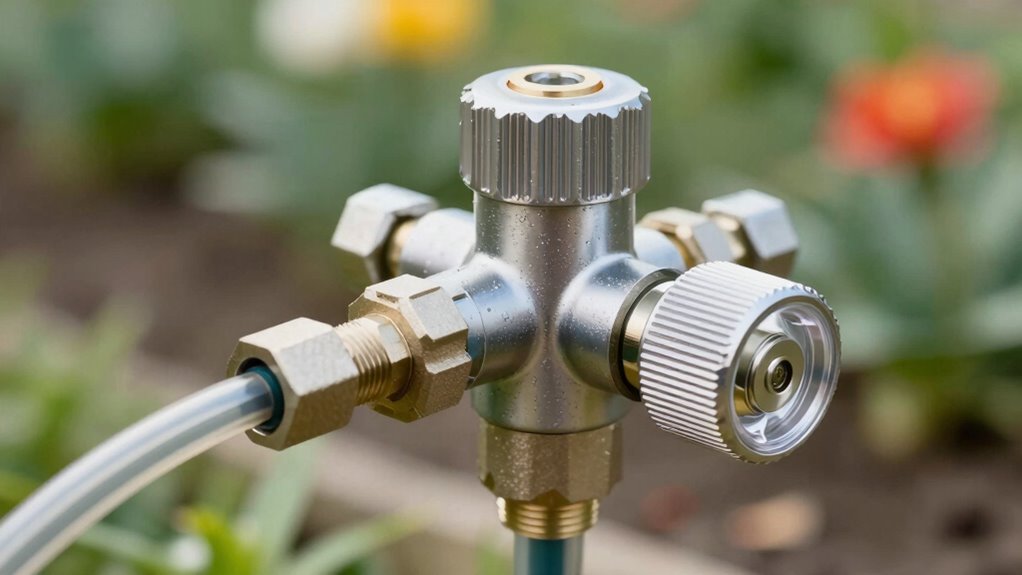
Pressure regulators can sometimes develop problems that disrupt your drip irrigation system’s efficiency. One common issue is pressure fluctuations, which cause inconsistent water flow and uneven watering. These fluctuations often stem from regulator incompatibility with your system’s pressure needs or from wear over time. To fix this, check if the regulator matches your system’s required pressure ratings and replace it if necessary. Another problem is a faulty regulator that doesn’t maintain consistent pressure, leading to over- or under-watering. Regularly inspect the regulator for debris or damage, and clean or replace it if needed. Ensuring proper regulator compatibility and timely maintenance helps prevent these issues, keeping your drip system running smoothly and efficiently.
Frequently Asked Questions
Can I Use a Pressure Regulator With Different Types of Drip Emitters?
Yes, you can use a pressure regulator with different types of drip emitters, but you need to take into account drip emitter compatibility. Make sure the regulator’s output pressure matches the emitter’s requirements. Proper regulator installation techniques, like securing it tightly and ensuring no leaks, are essential for ideal performance. This way, you prevent blowouts and ensure your drip system works efficiently across various emitter types.
How Do Weather Conditions Affect Pressure Regulator Performance?
Weather conditions can impact your pressure regulator’s performance through temperature fluctuations and humidity effects. When temperatures drop, your regulator might slow down or freeze, reducing water flow. Conversely, high temperatures can cause pressure to rise, risking blowouts. Humidity can also cause corrosion or blockages over time. To keep your system working smoothly, regularly check and adjust your regulator, especially during extreme weather changes, and verify it’s protected from the elements.
Are There Eco-Friendly or Water-Saving Pressure Regulator Options?
Yes, you can find eco-friendly options with water-saving features. Look for pressure regulators made from sustainable materials or those designed to reduce water flow without sacrificing performance. These eco-friendly options help conserve water, lower your utility bills, and protect the environment. By choosing a regulator with water-saving features, you guarantee efficient watering while reducing waste, making your garden or landscaping more sustainable and environmentally conscious.
What Are Signs of a Clogged or Malfunctioning Pressure Regulator?
If your drip system isn’t working properly, you’ll notice signs like a clogged valve or uneven flow. A clogged valve restricts water, causing inconsistent watering, while uneven flow results in some plants getting too much or too little water. You might also hear strange noises or see leaks. Regularly check your pressure regulator for debris or damage, and clean or replace it to keep your system running smoothly.
Is It Possible to Upgrade My Existing Regulator for Better Performance?
Think of your existing regulator as a car’s transmission—upgrading it can boost performance. You definitely can upgrade your existing regulator to improve reliability and efficiency. Look for models with better pressure control, higher durability, or advanced features. Upgrading is like tuning your engine for smoother rides; it ensures your drip system runs consistently, reducing blowouts and leaks. Invest in a quality regulator to maximize your system’s performance and longevity.
Conclusion
Think of your pressure regulator as the heart of your drip system, keeping water flow steady and safe. When it works properly, it’s like a reliable gatekeeper, preventing blowouts and damage. Regularly check and maintain it just like you’d tune a machine. By doing so, you guarantee your garden stays healthy and your system runs smoothly—like a well-oiled machine. Keep it in top shape, and your drip irrigation will serve you beautifully for years to come.