TL;DR

Get garden gear delivered free — and shop member deals
- Fast, free delivery on millions of items
- Access to Prime Big Deal Days deals on October 6–7
- Prime Video, Amazon Music and more included
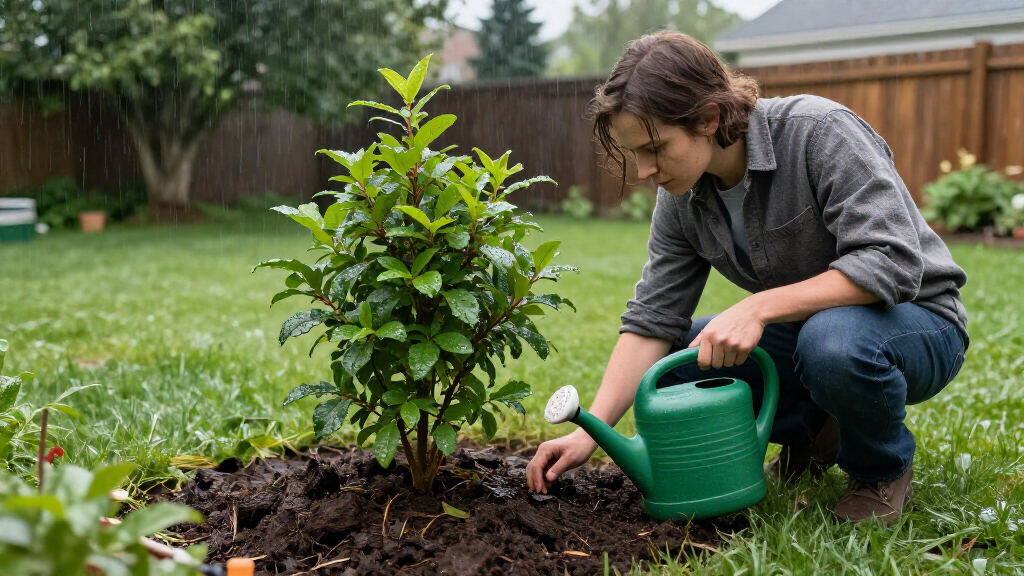
A Gardening Know How report cautions that autumn rain may wet the soil surface without adequately watering the root balls of trees and shrubs planted in the past 6–12 months. It advises gardeners to check moisture near the root ball and continue watering when needed until the ground freezes, while accounting for plant, soil and weather conditions.
Fall rain may not be enough to keep newly planted trees and shrubs hydrated, according to a Gardening Know How report advising gardeners to check moisture around the root ball and water when needed until the soil freezes. The warning applies particularly to plants installed within the past 6–12 months, whose roots may not yet have spread into surrounding soil.
The report says a drizzle can dampen mulch and the upper layer of soil while leaving a plant’s root ball dry. Rainfall measurements and the appearance of a wet yard do not, by themselves, establish how much water reached the roots. Some rain may evaporate or run off; dense evergreen foliage can also deflect precipitation away from the area immediately around young roots.
Newly planted shrubs and trees may be especially vulnerable because the nursery growing medium around their roots can differ from the surrounding ground. Gardening Know How describes common nursery media, including bark and peat, as fast-draining, and says a boundary with heavier native soil can slow water movement. The report cautions that soil nearby can feel damp even when the root ball itself needs water.
Its practical advice is to keep checking soil moisture near the root ball rather than relying on surface appearance or a general weekly rainfall total. Continue watering as needed while the ground remains unfrozen, taking care to direct water where the roots are. The report does not provide a universal amount or schedule; rainfall, soil, plant type and local conditions affect how often watering is needed.
Why Young Roots Need Fall Moisture
Watering before winter can affect whether a recent planting establishes successfully. The report says roots may keep growing in cool autumn soil while above-ground growth slows, and that this growth depends on available moisture. A plant entering winter with dry roots may be less able to take up water as conditions change.
Winter can add stress, particularly for evergreens, whose foliage continues losing water during bright or windy periods. If frozen roots cannot replace that moisture, plants may develop winter burn. The report also links dry soil with frost-heaving, when repeated freezing and thawing can lift poorly anchored plants and expose roots. These are risks described in the source, not outcomes for every plant or site.
As an affiliate, we earn on qualifying purchases.
How the Rainfall Myth Takes Hold
Cooler autumn weather can reduce water loss from leaves, and established trees and shrubs often have extensive root systems that can draw moisture from a wider area. Those conditions help explain why gardeners may reduce watering after summer. But the report distinguishes established plants from recent transplants, whose roots may remain concentrated in the original root ball.
Visible symptoms can also be delayed, according to Gardening Know How. A stressed plant might leaf out in spring using stored resources, then struggle later when warmer weather increases demand for water. The source uses this to explain why a problem that began with dry fall conditions may not be apparent until months later. It does not establish that every later decline is caused by autumn watering.
“The gap between a wet surface and a thoroughly soaked root ball is where countless fall plantings quietly fail.”
— Gardening Know How report
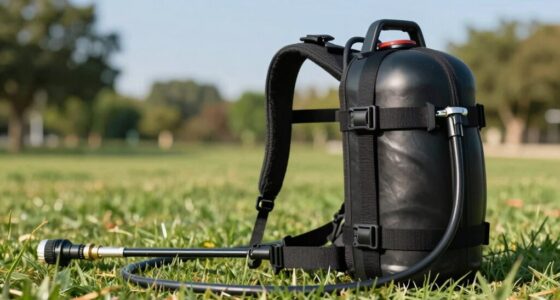
watering bags for trees and shrubs
As an affiliate, we earn on qualifying purchases.
As an affiliate, we earn on qualifying purchases.
What Depends on Local Conditions
The report does not specify a single rainfall threshold, watering volume or interval that will work for every planting. It notes that surface rain may be misleading, but it does not offer site-specific measurements for different soils, slopes, plant sizes or climates. Gardeners still need to inspect moisture at the root ball and adjust to local weather and drainage.
The source’s claims about root growth, cold stress and delayed damage are general guidance; it does not present a study or data showing how frequently these outcomes occur. It is also unclear from the supplied report excerpt whether further recommendations in its “Beyond the Myth” section specify methods or exceptions. Readers should not treat the guidance as a guarantee against winter injury.
garden hose with adjustable spray nozzle
As an affiliate, we earn on qualifying purchases.
As an affiliate, we earn on qualifying purchases.
Check Root-Ball Moisture Before Winter
For gardeners with recent plantings, the immediate step is to assess the soil around the root ball after rain and during dry spells. If that area is dry, water it rather than assuming a damp surface means the roots received enough. Continue checks until the soil freezes, and follow locally appropriate planting and watering guidance for the species and site.
As colder weather approaches, gardeners can also watch for signs of exposed roots or soil movement around new plants. The report’s advice is preventive: moisture needs to be assessed before winter, because damage may not become visible until the following growing season. No additional official guidance or follow-up announcement is included in the source material.
As an affiliate, we earn on qualifying purchases.
Key Questions
Is fall rain enough for a newly planted tree or shrub?
Not necessarily. The report says rain can wet the surface while leaving the root ball dry, so check moisture near the roots instead of relying on how the yard looks.
How long should I keep watering new plantings in fall?
Gardening Know How advises continuing to check and water as needed until the soil freezes. The right frequency depends on local rain, drainage, soil and the plant.
Which plants are the main concern?
The report focuses on trees and shrubs planted within the past 6–12 months, whose roots may still be confined largely to the original root ball. It also flags evergreens because their foliage can continue losing water in winter.
Can a plant look healthy in spring after a dry fall?
It can, according to the report, which says some stressed plants may leaf out using stored resources and show problems later when heat raises water demand. A spring appearance alone may not reveal the plant’s full condition.
Source: rss
Halloween Picks
halloween
As an affiliate, we earn on qualifying purchases.