
TL;DR
Some plant enthusiasts suggest using summer rain as a natural ‘spa’ for indoor plants to clean leaves and refresh soil. However, recent tests show risks due to unpredictable weather, with experts advising caution. The practice remains controversial and needs more research.
Recent experiments and expert opinions suggest that exposing indoor plants to summer rain may offer cleaning and refreshing benefits, but also poses risks due to unpredictable weather conditions.

Get garden gear delivered free with Prime
- Fast, free delivery on millions of items
- Prime Video, Amazon Music and more included
- Member-only deals all year
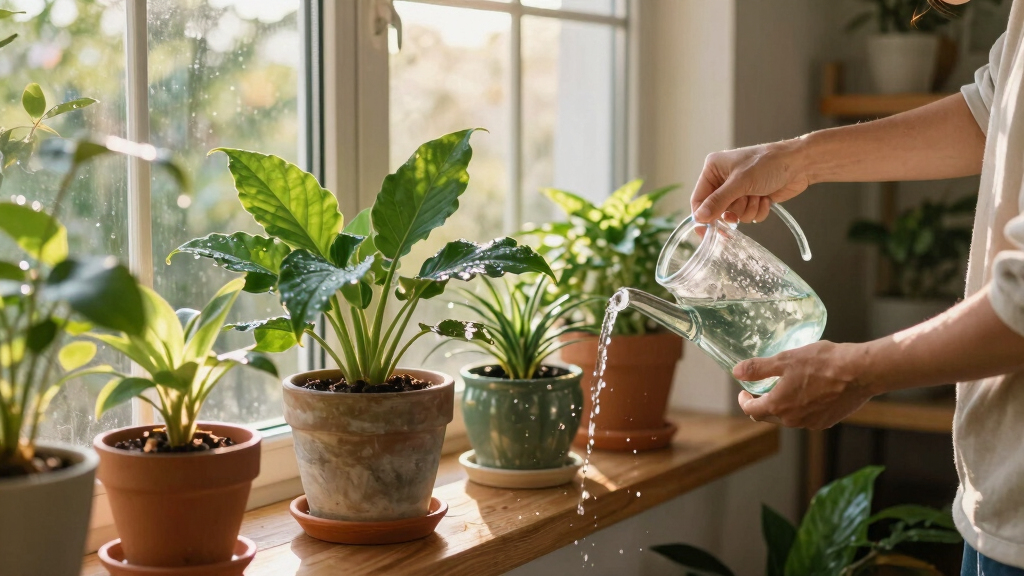
Indoor plants often accumulate dust, mineral deposits, and stale air, which some plant owners aim to mitigate by exposing them to outdoor conditions, including rain. A recent test involved placing tropical plants outside during a light summer shower; some plants showed signs of damage from the cold rain, while others fared better. Experts warn that British summer showers are often too cold and unpredictable, risking chill damage and waterlogging, especially for potted plants without proper drainage. Additionally, outdoor pests like vine weevils and slugs can hitch a ride inside on the pots. A horticultural expert from Guardian Life recommends sticking to lukewarm indoor rinses rather than outdoor rain exposure to avoid these risks.
Why It Matters
This development matters because many indoor gardeners seek natural ways to improve plant health and appearance without chemical treatments. Understanding the risks and benefits of outdoor rain exposure can help plant owners make safer, more informed decisions, especially in climates with unpredictable weather. It also highlights the importance of proper plant care and pest prevention in indoor environments.
Products Worth Considering

Orbit B-hyve XR 8-Zone Indoor/Outdoor Smart Sprinkler Controller

EGO POWER+ LB7654 56V Cordless Leaf Blower with 5.0Ah Battery

Greenworks 80V Electric Leaf Blower, 700 CFM, 2.5 Ah Battery and Charger
As an affiliate, we earn on qualifying purchases.
Background
Indoor plants are a popular way to improve air quality and aesthetics, but they often suffer from dust and mineral buildup. Some plant enthusiasts have advocated for outdoor exposure during summer rains as a natural cleaning method. However, recent practical tests and expert opinions indicate that such practices carry risks, especially in regions with unpredictable weather. Historically, indoor plants are kept in controlled environments to avoid damage from cold, pests, and overwatering, making outdoor rain exposure a controversial topic among horticulturists.
“British summer showers are not warm and are unpredictable in intensity. A cold downpour on plants acclimatised to a stable indoor temperature can cause chill damage and waterlogged soil, which can lead to root rot.”
— Horticultural expert from Guardian Life
“A lukewarm shower indoors provides the benefits of cleaning without the risks of cold damage or pests hitching a ride inside.”
— Garden researcher
What Remains Unclear
It remains unclear whether specific plant species might benefit more from outdoor rain, or if certain weather conditions could make outdoor exposure safer. Long-term effects of repeated outdoor rain exposure on indoor plants have not been thoroughly studied, and regional climate variability adds further complexity.
What’s Next
Further research is expected to explore safe methods for natural plant cleaning, possibly including controlled outdoor watering. Plant owners are advised to monitor weather conditions closely and consider indoor rinsing as a safer alternative until more definitive guidance is available.
Key Questions
Can outdoor summer rain improve my indoor plants?
While some believe outdoor rain can clean leaves and refresh soil, experts warn that unpredictable, cold rain poses risks such as chill damage and pest transfer. It is safer to use lukewarm indoor rinses.
What are the risks of leaving plants outside during rain?
Risks include cold damage from low temperatures, waterlogged soil leading to root rot, and pests like slugs or vine weevils hitching a ride inside on pots.
Should I leave my indoor plants outside during summer rain?
Experts recommend against it, especially in regions with unpredictable weather. Instead, use gentle indoor rinses to clean and hydrate your plants safely.
Are certain plants more suitable for outdoor rain exposure?
Some hardy outdoor plants tolerate rain better, but most tropical or sensitive indoor varieties risk damage from cold or pests. Consult specific care guidelines for your plants.
Source: Guardian Life