TL;DR
Rosemary’s chances of surviving outdoors depend on local winter conditions: the guide says it generally fares well in USDA Zones 8 to 12, while plants in Zone 7 or colder may need to be moved indoors. Suggested protections include row covers, pruning and mulch, or digging up and potting plants before the first frost.
A seasonal rosemary-care guide from Gardeners’ Path sets out five ways to reduce winter damage, with advice ranging from covering plants outdoors to bringing them inside before frost. The steps matter most to gardeners in colder areas, where rosemary left in the ground may not survive winter.

Get garden gear delivered free with Prime
- Fast, free delivery on millions of items
- Prime Video, Amazon Music and more included
- Member-only deals all year
Gardeners’ Path says the first step is to check the plant’s USDA Plant Hardiness Zone. The guide says rosemary is usually suitable for outdoor winter conditions in Zones 8 to 12, while gardeners in Zone 7 or colder may need to protect plants indoors. Local exposure and weather can affect how a plant fares, so the zone is a starting point rather than a guarantee.
For plants staying outside near the edge of their winter range, the guide recommends two protections. Drape a floating row cover over the plant, close gaps at ground level and secure the material with soil, bricks or other weights. Or, shortly before freezing temperatures arrive, prune green growth to about six inches and cover the plant with straw, leaf mold or wood chips.
In colder zones, the other main option is to dig up and pot the plant before the first frost. Keep as much of the root ball intact as possible, then allow the rosemary a few frost-free days in a sheltered outdoor spot to adjust to its container. For winter storage, the guide recommends a place that stays above freezing but is not too warm, such as a lightly heated garage or hallway.
Protect rosemary before frost
Choose a winter care method based on your USDA zone and local conditions. Covers and mulch may help outdoors; colder areas may require indoor storage.
Check your conditions
Hardiness zones are a starting point; exposure and winter severity also affect survival.
- Plants may stay outdoors.
- Consider extra cover or mulch.
- Plan to pot in-ground rosemary.
- Move it indoors before first frost.
Protect plants outdoors
For rosemary staying outside, choose one of the guide’s suggested protections.
Secure a row cover
Close gaps at ground level and weigh the cover down.
Prune and cover
Before freezing temperatures, prune green growth to about six inches and cover with straw, leaf mold or wood chips.
Move and store rosemary
Lift the plant before frost can damage it, keeping as much of the root ball intact as possible.
Dig up in-ground rosemary and place it in a container.
Store it above freezing in a lightly heated garage or hallway.
Water about once a week and avoid wet soil.
Choosing the Right Winter Protection
According to the Gardeners’ Path guide, rosemary’s winter care depends on where it is growing and how cold the site gets. A plant in a mild location may be able to remain outdoors with a cover or mulch, while one in a colder region may need to be lifted and stored indoors. Matching the method to the conditions can reduce the risk of losing an established plant and give it a chance to resume growth in spring.
The guide also cautions against treating indoor storage as ordinary houseplant care. Rosemary can dry out in warm indoor air, but it also does not tolerate sitting in wet soil. It recommends a cool, above-freezing location and restrained watering to help the plant through its slower winter growth.
Products Worth Considering

Greenworks 80V 21-Inch Self-Propelled Lawn Mower with 4.0 Ah Battery and Charger
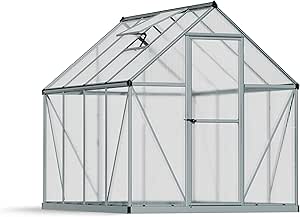
Palram Canopia Mythos 6' x 8' Polycarbonate Greenhouse, Silver

EGO Power+ SNT2425 24-Inch Two-Stage Snow Blower with Two 7.5Ah Batteries and Dual-Port Charger
As an affiliate, we earn on qualifying purchases.
Zone and Frost Guide the Plan
The Gardeners’ Path recommendations describe different approaches for different conditions, not a single winter method for every garden. The guide says that in Zones 8 and 9, where plants are near the edge of their outdoor survival range, covers or mulch can provide added protection. In Zone 7 and below, it advises moving in-ground rosemary into a container and indoors.
Timing is tied to frost: the guide says plants intended for indoor storage should be dug up before the first frost can damage them. It suggests digging at least six inches from the main stem and making a root ball roughly a foot across and a foot deep, adjusted for the plant’s size. Keeping more roots intact is presented as helpful when transplanting.
Winter Survival Is Not Guaranteed
The Gardeners’ Path guidance does not give a guaranteed survival rate or specify how each rosemary variety responds to a particular temperature. Its zone ranges are general advice; microclimate, exposure and the severity of a winter can affect individual plants. The article also does not identify a specific forecast or local frost date, so gardeners must use conditions in their own area to decide when to cover or move a plant.
The guide does not quantify how much protection a row cover or mulch will provide in a prolonged or severe freeze. It presents these measures as ways to improve the plant’s chances, not as assurance that it will survive every winter.
Prepare Before the First Frost
Gardeners’ Path recommends checking the zone and watching for approaching frost, then choosing whether to cover, mulch or move rosemary. For indoor storage, the guide recommends light watering about once a week, taking care not to leave the roots in wet soil. It says gentle misting may help if indoor air is dry, though the plant’s growth is expected to slow during winter.
As temperatures rise, the guide advises moving the container outdoors during the day to gradually acclimate the plant. It says to wait until the risk of frost has passed before replanting it in the garden; the plant can also remain in its container.
Source: Gardeners’ Path
Key Questions
Can rosemary stay outside during winter?
Gardeners’ Path says rosemary is usually suited to outdoor winter conditions in USDA Zones 8 to 12. Plants in colder areas may need extra outdoor protection or indoor storage. Local conditions can affect survival.
How can I protect rosemary outside?
The Gardeners’ Path guide recommends covering it with a secured floating row cover, or pruning it to about six inches and covering it with straw, leaf mold or wood chips before freezing temperatures arrive.
When should I bring rosemary indoors?
For plants in the ground in Zone 7 or colder, Gardeners’ Path advises digging them up and potting them before the first frost can cause damage.
How should I water rosemary indoors in winter?
Gardeners’ Path suggests watering lightly about once a week and avoiding waterlogged soil. Rosemary growth slows in winter, so check the soil rather than watering heavily.
Source: gardenerspath.com