
TL;DR
November is a time for apple-tree clean-up and inspection, not a major prune, according to the gardening advice provided. Remove dead or damaged wood, clear fallen fruit and leaves, check for pests, and protect trunks where needed; leave most pruning until late winter.
Apple trees need a November tidy-up, not a full prune, according to advice from gardening specialists: remove dead or diseased branches, clear fallen fruit and leaves, and inspect trunks for pests or damage. The distinction matters because heavy pruning now can encourage vigorous growth, while late winter is the usual period for the main pruning work.

Get garden gear delivered free with Prime
- Fast, free delivery on millions of items
- Prime Video, Amazon Music and more included
- Member-only deals all year
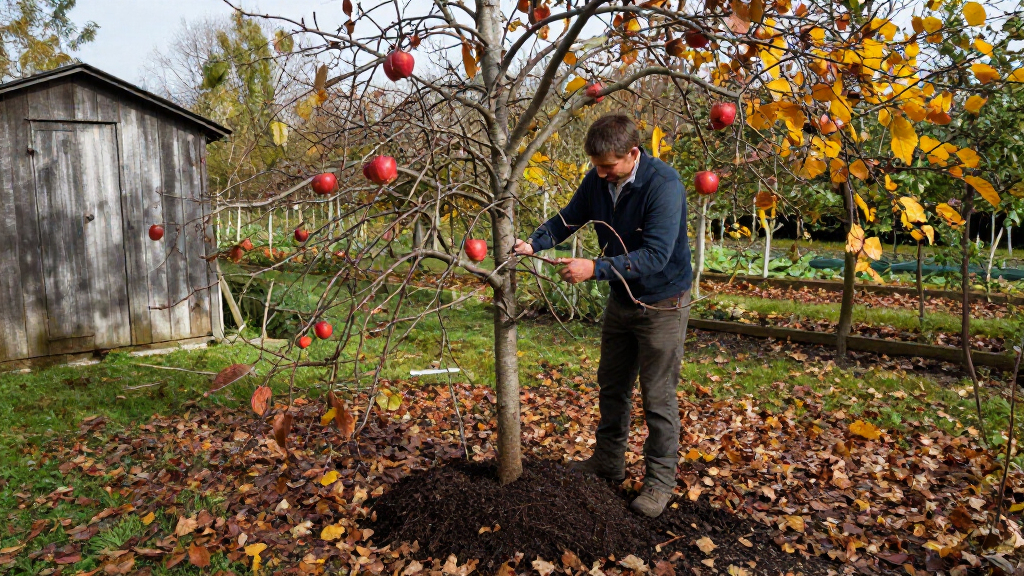
Julian Palphramand, head of plants at British Garden Centres, says November is generally too early for a proper prune. He recommends removing dead, diseased or damaged branches when they are spotted. With the leaves down, the tree’s structure is easier to inspect, but the work should remain selective rather than becoming a major reshaping job.
Other experts advise looking for shoots growing into the canopy and branches that cross or rub against each other. Victoria Parkinson, a garden expert at Arctic Cabins, says to remove strong inward-growing shoots and, where branches rub, take out the weaker one while retaining a well-placed branch growing outward. Lance Russell, a horticultural expert at Thompson & Morgan, cautions that aggressive cutting can prompt watershoots—vigorous upright shoots that may crowd the canopy and affect future fruit production.
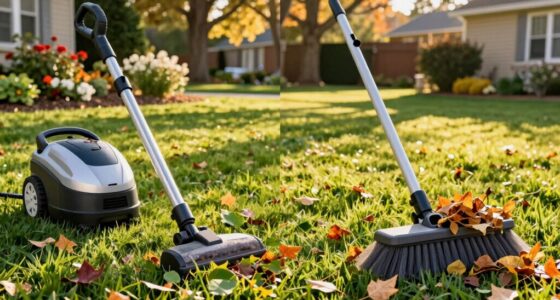
November is also a time to check for pest signs and clear potential sources of disease. The advice recommends removing remaining apples and fallen fruit, then raking up leaves around the tree. Lucie Bradley of Harvst Automatic Watering says discarded fruit can attract insects and rodents, while leaves may carry fungal spores. The source advises putting potentially affected leaves in garden waste rather than a home compost heap.
Prepare apple trees for winter and next year’s harvest
November is for inspection and a light tidy-up. Clear debris, check the trunk and save the main pruning for late winter.
November care checklist
These simple jobs help address potential pest and disease risks through winter.
- Remove dead, diseased or damaged branches.
- Clear remaining apples and fallen fruit.
- Rake up leaves; put potentially affected leaves in garden waste.
- Inspect the trunk for pests or damage.
Prune with restraint
With leaves down, the tree’s structure is easier to see. Keep November cuts selective.
- Remove dead, diseased or damaged wood.
- Consider badly placed shoots or branches that rub.
- Leave the main pruning until the worst cold has passed.
- Reassess before new growth begins.
Match protection to the risk
Different measures address different garden problems, and may not be needed for every tree.
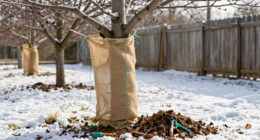
Consider a trunk barrier
A grease band or tree-barrier glue can help stop wingless females climbing the trunk to lay eggs.
Use a tree guard if needed
Guards may help where deer could rub against trunks and strip bark. Fit securely without damaging the trunk.
Why avoid a drastic cut?
Aggressive pruning can prompt vigorous upright watershoots that crowd the canopy and may affect future fruit production.
November Jobs That Protect Next Year’s Crop
These tasks address problems that can persist through winter: pests may overwinter in fruit or bark crevices, and neglected debris can provide shelter for pests and disease. Clearing the ground and checking the trunk gives growers a chance to reduce those risks before spring, although the advice does not quantify how much these measures change the size or quality of a harvest.
Restraint with pruning is also relevant to next year’s tree shape and fruiting. Removing selected damaged or badly placed branches can improve the canopy, but the experts quoted warn that cutting too much may produce crowded upright shoots. The guidance is therefore a seasonal maintenance checklist, not a promise of a particular harvest.
Where winter moths are a concern, Bradley recommends a grease band or tree-barrier glue around the trunk as a physical barrier to wingless females climbing to lay eggs. Tree guards are suggested where deer may rub against trunks and strip bark. These measures address different risks and may not be needed in every garden.
Products Worth Considering

IDEALHOUSE 6 x 9 ft Polycarbonate Greenhouse with Lockable Door, Adjustable Roof Vent, and Gutters

Blackstone 22-Inch Tabletop Griddle with Stainless Steel Faceplate

Blackstone 1814 17-Inch Portable Propane Gas Griddle
As an affiliate, we earn on qualifying purchases.
Why the Main Prune Waits
Apple trees are commonly pruned during dormancy. The advice in the source places the main pruning period in late winter, after the worst cold but before new growth begins. That timing is different from removing a branch that is already dead, diseased or damaged, which the experts say can be done when noticed.
With leaves fallen, the tree’s branches and overall structure are more visible. That makes November useful for inspection and limited tidying, but it does not change the recommendation to avoid a drastic cut. The source also notes that pruning in early autumn can promote tender new growth vulnerable to winter cold.
“November’s a bit early for a proper prune on an apple tree; the usual time is late winter, once the worst of the cold is over but before the tree starts growing again.”
— Julian Palphramand, head of plants at British Garden Centres
Risks Vary by Tree and Garden
The source offers general seasonal advice, but it does not establish which tasks every apple tree needs. Local climate, tree age, variety and current condition can affect the timing and extent of pruning, and the source provides no regional forecast or tree-specific assessment. It also does not specify a single pruning method for every tree.
The pest guidance identifies codling moth, woolly aphids and winter moths, but does not report how widespread they are or confirm that any particular tree is affected. Grease bands and guards are presented as preventive measures; the material gives no success rates. It also does not set out how to dispose of diseased branches or fruit, so gardeners should follow local garden-waste rules.
Inspect Again Before Spring Growth
For November, the next steps are to inspect the tree, remove only dead, diseased or damaged branches, clear remaining and fallen fruit, rake up leaves, and check whether trunk protection is appropriate. If using grease bands, barrier glue or tree guards, follow the product instructions and make sure any guard is fitted securely without damaging the trunk.
Leave the main pruning until late winter, before new growth starts and after the most severe cold has passed, as advised by Palphramand. At that point, gardeners can reassess the canopy and make selective cuts based on the tree’s condition. The source does not give a specific calendar date, so local weather and the tree’s stage of growth remain relevant.
Key Questions
Should I fully prune my apple tree in November?
No. The advice says November is generally too early for the main prune. Remove dead, diseased or damaged branches if needed, and leave broader pruning until late winter.
What should I clear from around the tree?
Remove fallen apples and leaves, and take away any fruit still on the tree. The gardening advice says debris may shelter pests or fungal spores; it recommends garden-waste disposal for leaves that may be affected.
How can I help prevent winter moths from climbing the trunk?
The source recommends a grease band or tree-barrier glue as a physical barrier. Apply products according to their label instructions and check that the band remains in place.
Why should I avoid cutting back too much?
Experts quoted in the source warn that hard pruning can encourage vigorous upright watershoots, which may crowd the tree and affect future fruit production.
Source: idealhome.co.uk