
TL;DR

Get garden gear delivered free with Prime
- Fast, free delivery on millions of items
- Prime Video, Amazon Music and more included
- Member-only deals all year
Heat-stressed plants need careful care to recover without overwatering. This article provides five practical steps, including soil moisture checks and shade, to help plants survive high temperatures effectively.
Gardening experts recommend five specific steps to help heat-stressed plants recover without overwatering, a common mistake that can worsen plant health during high temperatures.
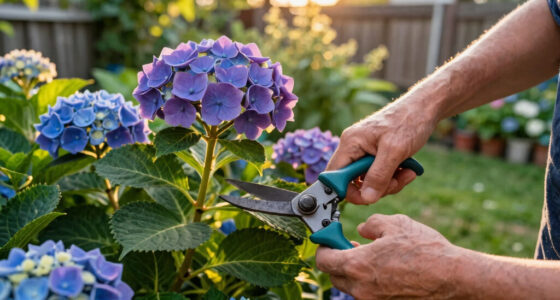
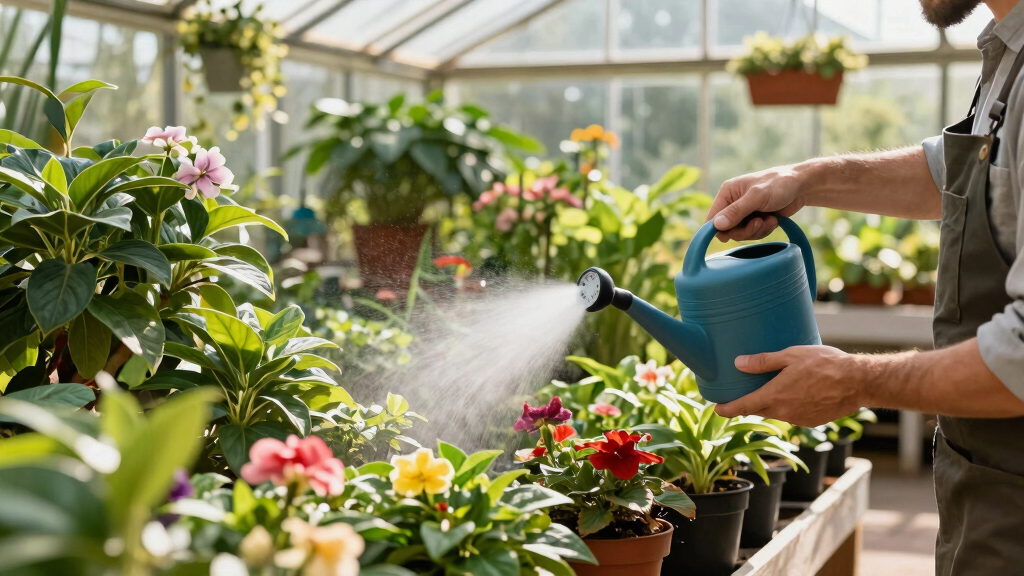
When temperatures exceed 85°F, plants can suffer from heat stress, showing signs like wilting, sunburn, and drooping leaves. The first confirmed step is to check soil moisture with a finger test or soil moisture meter before watering, as overwatering can harm stressed plants. Adding mulch around plants helps insulate roots and retain soil moisture, which is supported by horticultural advice. Providing shade with cloths or moving containers to cooler areas is also recommended to protect plants from direct sun exposure. Experts advise stopping fertilizer applications during heat stress, as nutrients can stress plants further. Additionally, removing ripening fruits and faded flowers can reduce the plant’s energy expenditure, aiding recovery.
Why Proper Care During Heat Is Critical for Plant Survival
This guidance is vital for gardeners to prevent plant loss during heatwaves, which are becoming more frequent due to climate change. Correctly managing heat stress ensures plants stay healthy, reducing the need for replanting and conserving water. Overwatering can lead to root rot and other issues, so understanding how to care for stressed plants without causing further harm is essential for sustainable gardening and food production.
As an affiliate, we earn on qualifying purchases.
Increasing Heatwaves and Gardening Challenges
Heat stress in plants becomes a concern when temperatures rise above 85°F, a common occurrence during summer heatwaves. Many gardeners instinctively water more, but experts warn that overwatering can exacerbate plant damage. Previous advice focused on watering alone, but recent guidance emphasizes soil checks, mulching, and shading to better support stressed plants. This approach aligns with broader climate adaptation strategies for gardeners facing increasingly intense heat conditions.
“Overwatering heat-stressed plants can do more harm than good, so it’s important to check soil moisture before watering.”
— an anonymous researcher
As an affiliate, we earn on qualifying purchases.
Uncertainties in Long-Term Heat Stress Management
It is not yet clear how long these measures remain effective or how different plant species may respond to specific interventions under prolonged heat stress. Further research is needed to refine these recommendations for diverse garden conditions.
As an affiliate, we earn on qualifying purchases.
Next Steps for Gardeners Facing Heatwaves
Gardeners should implement these five steps promptly during heatwaves and monitor plant responses. Future updates may include more tailored advice for specific plant types and longer-term strategies to adapt to increasingly frequent heat events. Ongoing research and climate data will shape evolving best practices.
As an affiliate, we earn on qualifying purchases.
Key Questions
How can I tell if my plant needs water during a heatwave?
Check the soil moisture by inserting a finger about 1 inch into the soil or use a soil moisture meter. If the soil feels dry, it’s time to water; if it’s moist, hold off.
Can I use fertilizer to help my heat-stressed plants?
No, it’s best to stop fertilizing during heat stress. Fertilizer can cause additional stress and make plants more vulnerable to sunburn and other damage.
What type of mulch is best for protecting plants from heat?
Organic mulches like straw, wood chips, or composted bark are effective at insulating roots and retaining soil moisture during hot weather.
How do I protect potted plants from the sun?
Move containers to shadier areas or cover them with shade cloth during the hottest part of the day to prevent sunburn and heat stress.
When should I prune or harvest my plants during heat stress?
Remove faded flowers and ripening fruits early to help plants conserve energy and recover more quickly from heat stress.
Source: rss
Halloween Picks
halloween
As an affiliate, we earn on qualifying purchases.