
TL;DR

Get garden gear delivered free with Prime
- Fast, free delivery on millions of items
- Prime Video, Amazon Music and more included
- Member-only deals all year
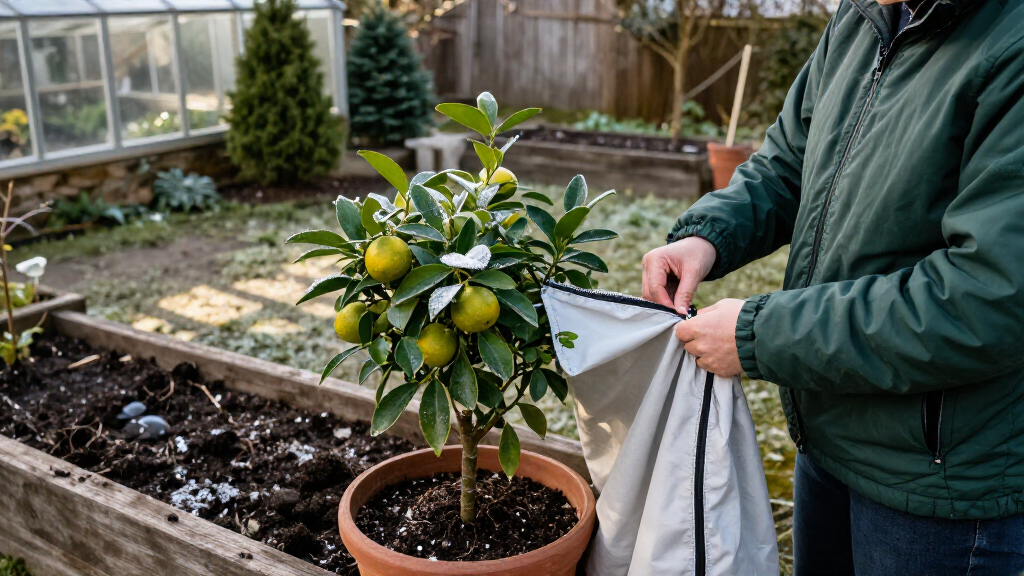
Gardening Know How reports that zip-up horticultural fleece jackets can help protect plants from frost, wind and snow, with protection depending on the cover’s weight and how it is used. Heavier fleece insulates more but blocks more sunlight, so evergreen plants may need lighter covers or regular ventilation.
Gardening Know How has outlined how gardeners can use zip-up frost jackets to shield plants from winter cold, wind and precipitation, while matching the cover’s weight to each plant’s protection and sunlight needs. The report says jackets with drawstring bases and ventilation zips can make seasonal protection easier, but fleece offers limited insulation and may block sunlight when left on.
Frost jackets are made from horticultural fleece, a non-woven material typically made from polypropylene. Its weight is listed in grams per square meter (gsm) or ounces per square yard; the report advises checking the product label or online description. The listed rating indicates how much insulation a cover may provide, as well as how much sunlight it may screen.
The report gives approximate ratings: 30–35 gsm medium-weight fleece offers about 4°F of protection and lets through roughly 65% of sunlight, as explained in this guide to frost protection. 50–60 gsm heavy fleece offers about 7°F and transmits around 50%. An ultra-heavy 70–100 gsm cover provides about 8–10°F of protection while allowing roughly 20–30% of sunlight through. These are the source’s general estimates, not a guarantee for every product or garden condition.
For dormant banana plants and tree ferns in colder areas, the report says heavier fleece can hold insulating straw in place and help block wind and rain, but the cover alone may not protect them from deep cold, so it’s worth knowing which plants are most vulnerable to frost. Deciduous shrubs can also be covered with heavier fleece because they have shed their leaves. For evergreens, which need light and airflow, the report recommends medium-weight fleece for general protection and opening the zip on milder days, much like the advice for protecting container plants before frost. Early-flowering camellias and magnolias may benefit from a temporary overnight cover during a late frost.
Choosing Protection Without Blocking Light
The advice matters because a cover that provides more insulation also reduces the light reaching a plant. Matching fleece weight to plant type can help avoid using a thick, light-blocking cover where an evergreen needs exposure, while still giving dormant plants or vulnerable buds a barrier during cold spells.
The jackets are presented as one part of winter plant care, not a complete solution for every climate. The report notes that ultra-heavy fleece may not be enough for banana plants and tree ferns in deep cold, and says these plants may need straw packed around them. Gardeners therefore need to consider local temperatures and the plant’s needs rather than relying on the jacket alone.
Products Worth Considering

Husqvarna 460 Rancher Gas Chainsaw, 24-Inch Bar

Weber Genesis E-415 4-Burner Propane Gas Grill, Black

Husqvarna 122C 22-cc 2-Cycle Gas String Trimmer, 17-Inch Curved Shaft
As an affiliate, we earn on qualifying purchases.
Fleece Ratings and Plant Needs
The source describes fleece weights ranging from 17 gsm, intended for short-term frost protection of late-season vegetable crops, to ultra-heavy covers of up to 100 gsm. Its lightest example offers around 2°F of thermal protection and lets through about 85% of sunlight. The report says this lighter material is not intended as a long-term winter cover.
Use varies by plant. Deciduous shrubs can be covered with heavier material after losing their leaves, while evergreen plants need light and fresh air. For tender evergreen olive and citrus trees or some palms, the report suggests medium-weight fleece as a permanent cover, with heavier fleece added during severe weather in colder climates. If heavier fleece is used as the main cover, it may need to be unzipped to admit sunlight and air.
The source also identifies possible uses beyond protecting foliage: covers can help shield young fruit trees from bark splitting in freezing conditions and protect early-flowering shrubs’ buds from a late frost. It does not give product-specific performance tests or recommend a single cover for all plants.
“The higher the number, the more insulation it will provide but also block more sunlight.”
— Gardening Know How report
Limits of the Frost Protection
The source gives approximate temperature protection by fleece weight but does not specify the testing conditions behind those estimates. Actual protection may vary with the product, exposure, duration of a cold spell and local weather. It also does not identify a particular jacket brand as independently tested.
The report does not provide a universal rule for choosing a cover by USDA zone, nor does it set out a full care plan for every plant named. It says gardeners should consider both cold protection and sunlight needs, but the right choice for a specific garden remains dependent on plant species and local conditions.
Check Forecasts and Cover Labels
Gardeners preparing for cold weather can check the forecast and inspect fleece product descriptions for the gsm or oz/sq yd rating, dimensions and features such as a zip and drawstring base. The source recommends opening covers on milder days when airflow or sunlight is needed, particularly for evergreens under heavier fleece.
When a frost or cold snap is expected, the report suggests using a jacket overnight for vulnerable early-flowering buds and adding heavier protection to tender plants as conditions require. It does not announce a new product launch or provide a later update; the advice is general guidance, and gardeners should monitor local weather and plant response through winter.
Key Questions
How much frost protection does a plant jacket provide?
Gardening Know How estimates about 4°F for 30–35 gsm fleece, about 7°F for 50–60 gsm, and about 8–10°F for 70–100 gsm. These are approximate source figures, not guaranteed results for every cover or weather condition.
Should evergreen plants be covered with heavy fleece all winter?
The report says evergreens need sunlight and fresh air, so medium-weight fleece is generally preferable for ongoing protection. If a heavier cover is used as the main layer, gardeners should unzip it regularly to admit light and air.
Can a frost jacket protect banana plants in very cold weather?
The source says a jacket alone may not protect banana plants from deep cold in colder zones. It describes fleece as useful for holding insulating straw in place and blocking wind and rain, alongside that additional insulation.
When should a jacket go over flowering shrubs?
For early-flowering shrubs such as camellias and magnolias, the report recommends a medium- or heavy-weight cover overnight when a late frost or cold snap threatens developing flower buds.
What should gardeners check before buying a frost jacket?
Check the product’s fleece weight rating, size and whether it has features such as a zipper and drawstring base. The rating helps indicate the balance between insulation and sunlight transmission.
Source: gardeningknowhow.com