TL;DR

Get garden gear delivered free with Prime
- Fast, free delivery on millions of items
- Prime Video, Amazon Music and more included
- Member-only deals all year
A Homes & Gardens report advises homeowners to focus fall leaf clearing on the lawn, where thick, uncut layers can block light and air, trap moisture and leave dead patches by spring. Experts recommend finely mulching leaves or moving them to garden beds and natural areas, where they can break down.
A Homes & Gardens report advises homeowners to clear or finely mulch thick layers of fallen leaves on their lawns in fall, while leaving leaves in garden beds and natural areas where they can decompose. Turf experts cited in the report say dense leaf cover can block light and air, trap moisture and contribute to grass damage that may leave bare patches in spring.
The report distinguishes between leaves on a lawn and leaves elsewhere in the yard. A few scattered leaves are not presented as a problem, and the experts say a thin layer chopped into small pieces can return nutrients to the soil. The warning is about thick, intact piles that sit over grass through fall and winter.
Brian Feldman, senior director of technical operations at TruGreen, says heavy leaf coverage can smother grass and restrict light and airflow. The report also describes the possibility of matting and disease problems. Hillary Thompson, a horticulturist and communications director at Patten Seed Company, says leaves can hold moisture against turf, creating conditions in which lawn diseases may thrive. The report names powdery mildew and red thread as examples, but does not say they will occur in every lawn covered by leaves.
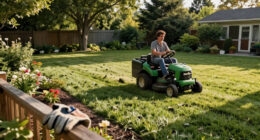
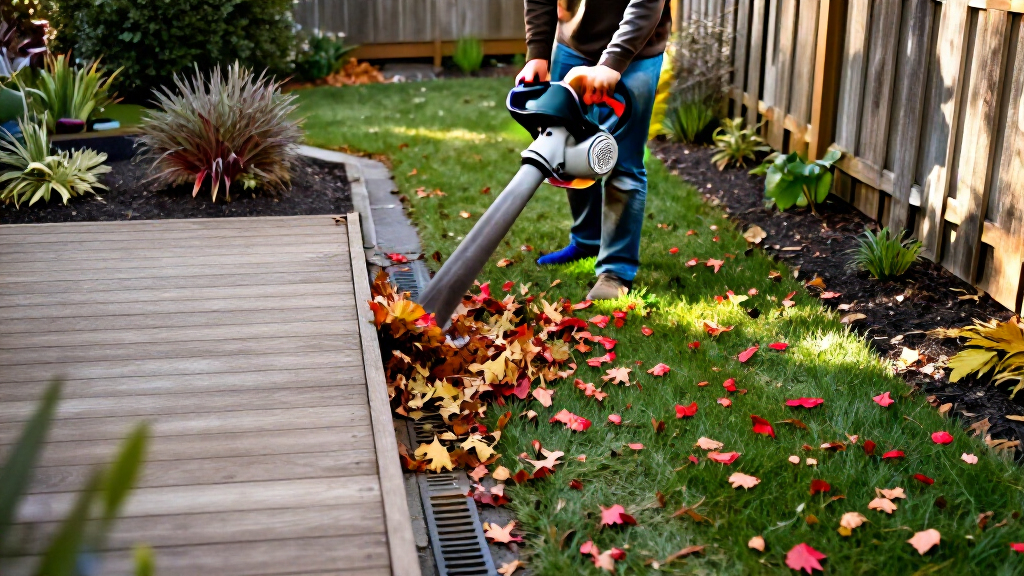
For removal, the experts recommend using a mower to chop leaves finely, with pieces roughly the size of a dime, or using a rake, leaf blower or lawn sweeper to clear them. Rather than disposing of the leaves, Thompson suggests moving them into beds or natural areas on the property, where they can break down and return organic matter and nutrients to the soil.
Protecting Grass Before Winter
The advice addresses a common fall yard-care trade-off: leaves can support wildlife and help insulate planting beds, but thick cover on turf can interfere with the conditions grass needs. Where leaves remain matted over a lawn, the report says homeowners may face dead or thinned areas when the grass emerges in spring.
That can turn a seasonal cleanup task into patch repair or reseeding. The report does not quantify how often leaf cover causes this damage or how much repair might cost; the practical point is to focus effort where the material may harm grass, rather than trying to clear every leaf from the yard.
Keeping leaves on the property can also reduce yard waste and return organic matter to beds as the leaves decompose. That approach separates the lawn-care task from disposal: remove leaves from turf, then reuse them in places where their breakdown is beneficial.
Products Worth Considering

EGO POWER+ Cordless Electric Leaf Blower 530 CFM with Battery (LB5302)

Greenworks 40V Cordless Leaf Blower/Vacuum, 505 CFM, 5.0 Ah Battery and Charger

Husqvarna Automower 550 Commercial Robotic Lawn Mower
As an affiliate, we earn on qualifying purchases.
Where Leaves Help, and Where They Can Harm
The source report describes leaf removal as one part of fall lawn care, not a recommendation to strip the whole yard bare. Leaves in beds can provide some insulation, and leaf litter can offer shelter for wildlife. Thompson says leaves directed into planting beds or natural areas can decompose on site and cycle nutrients back into the soil.
Feldman’s recommended alternative to collecting every leaf is to mow over a light layer and chop it finely. In that form, the material can return nutrients to the lawn; the concern is thick, unmulched coverage. The report’s author also recounts finding bare soil in a lawn corner the following spring after leaving leaves beneath an overhanging tree. That is a personal experience cited in the original report, not a controlled study.
The experts quoted have relevant horticultural and turf-care experience: Feldman is identified as a turfgrass agronomist and arborist, while Thompson works in horticultural communications. Their comments explain the report’s recommendations, but the source does not provide experimental results, local climate guidance or a universal schedule for leaf clearing.
“A light layer of leaves can be beneficial when it is mulched finely, but thick piles should not be left on the lawn.”
— Brian Feldman, senior director of technical operations at TruGreen
Limits of the Leaf-Cover Advice
The report does not set a specific leaf-depth threshold for when coverage becomes harmful, nor does it give a region-by-region cleanup calendar. The effect may depend on the amount of leaf cover, how finely it is chopped, the grass and local weather conditions. The source does not quantify the risk of disease or establish that leaves alone caused any particular lawn problem.
It also provides no comparative data on the effectiveness of mowing, raking, blowing or sweeping. Its recommendations are attributed to the experts quoted, while the account of springtime bare soil is the author’s own experience. Readers should not treat that anecdote as proof that every lawn left with leaves will develop dead patches.
Fall Cleanup Before Grass Is Covered
The practical next step described in the report is to check the lawn as leaves accumulate and break up or remove thick layers, rather than clearing every scattered leaf. Homeowners can mow a light covering into small pieces or rake, blow or sweep heavier piles away from turf.
Leaves collected from the lawn can be placed in garden beds or natural areas to decompose, provided that placement suits the site. The source offers seasonal guidance rather than a dated schedule or announced follow-up. No new study, official rule or later development is cited.
Key Questions
Do all fallen leaves need to be removed from a lawn?
No. The report says a few scattered leaves are not a concern. Its warning is focused on thick piles or layers left over grass.
Can leaves be left on the lawn if they are mulched?
According to turf expert Brian Feldman, a light layer finely mulched can be beneficial. The report suggests chopping leaves into pieces about the size of a dime; it cautions against leaving thick piles intact.
Why can thick leaves harm grass?
The experts say dense leaf cover can block light and airflow, mat down and hold moisture against the lawn. Those conditions can contribute to turf damage and disease problems, although the report does not say damage is inevitable.
What should I do with leaves removed from the lawn?
The report recommends moving them to garden beds or natural areas where they can decompose and return organic matter and nutrients to the soil, rather than automatically disposing of them.
Source: rss