
TL;DR

Get garden gear delivered free with Prime
- Fast, free delivery on millions of items
- Prime Video, Amazon Music and more included
- Member-only deals all year
Gardeners are advised to top pepper plants at the right time to encourage bushier growth and higher yields. Experts recommend specific methods for doing so effectively. This guide explains when, why, and how to top pepper plants correctly.
Gardening experts recommend that pepper growers top their plants at specific stages to enhance growth and yields, emphasizing the importance of timing, technique, and purpose. This advice aims to help both amateur and professional gardeners optimize their pepper crops.
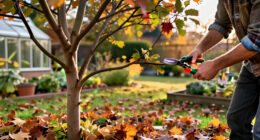
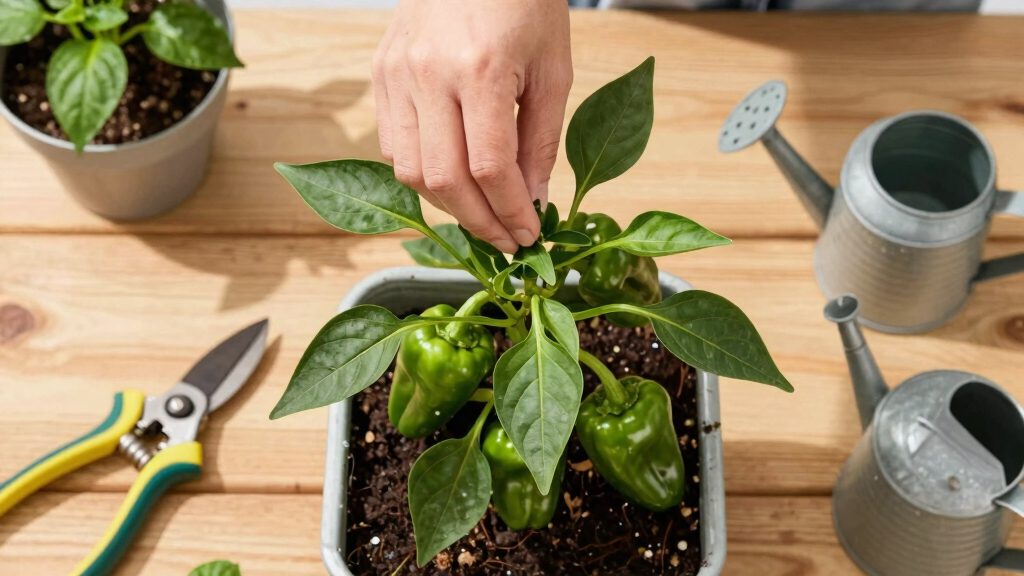
Topping pepper plants involves cutting back the main stem to promote bushier growth and prevent legginess. Experts suggest that the best time to top is when the plants are about 6 to 12 inches tall, typically a few weeks after transplanting. Proper technique involves using clean, sharp pruning tools to make a clean cut just above a leaf node or set of leaves. This practice encourages the development of lateral branches, leading to a fuller plant with more fruit-bearing sites.
According to horticulturists, topping can also help manage plant size in limited spaces and improve airflow, reducing disease risk. However, they caution that improper timing or technique can stress the plant or reduce overall yield. It is also noted that certain pepper varieties may respond differently, and local climate conditions can influence the optimal timing for topping.
Why Proper Topping Enhances Pepper Plant Growth
Correct topping practices can lead to healthier, more productive pepper plants, resulting in higher yields and better-quality fruit. This technique also helps manage plant size, making it easier to care for and less susceptible to disease. For commercial growers and home gardeners alike, understanding when and how to top peppers is a key step toward successful cultivation.
pruning shears for vegetable plants
As an affiliate, we earn on qualifying purchases.
As an affiliate, we earn on qualifying purchases.
Timing and Techniques in Pepper Plant Topping
Plant topping is a common horticultural practice used across various crops, including peppers, to promote desirable growth patterns. For peppers, the ideal timing is when the plant reaches about 6 to 12 inches tall, typically 3 to 4 weeks after transplanting outdoors or into containers. This period allows the plant to establish a strong root system before redirecting energy into lateral growth. Historically, gardeners have used topping to control plant height and improve airflow, especially in small gardens or greenhouse settings. Recent advice from experts underscores that precise timing and clean cuts are crucial for maximizing benefits and avoiding stress or disease transmission.
“Topping pepper plants at the right stage encourages a bushier, more productive plant, but timing and technique are critical to avoid setbacks.”
— Dr. Lisa Green, horticulturist
As an affiliate, we earn on qualifying purchases.
Uncertainties About Topping Timing and Varieties
While general guidelines exist, the optimal timing for topping may vary based on pepper variety, local climate, and growing conditions. Some experts suggest experimenting with timing to see what works best for specific environments. Additionally, there is limited research on how different pepper varieties respond to topping, leaving some uncertainty about the best practices for each type.
As an affiliate, we earn on qualifying purchases.
Next Steps for Growers and Researchers
Gardeners are encouraged to follow current recommendations and observe their plants’ responses to topping. Researchers may conduct further studies to refine timing and technique guidelines for various pepper varieties and growing conditions. Extension services and horticultural groups are expected to provide updated advice as new research becomes available.
As an affiliate, we earn on qualifying purchases.
Key Questions
When is the best time to top pepper plants?
The best time to top pepper plants is when they are about 6 to 12 inches tall, usually 3 to 4 weeks after transplanting, depending on growth conditions.
Why should I top my pepper plants?
Topping encourages bushier growth, increases fruit production sites, improves airflow, and can help manage plant size in limited spaces.
What tools should I use for topping peppers?
Use clean, sharp pruning shears or scissors to make precise cuts just above a leaf node or set of leaves to reduce stress and prevent disease.
Can all pepper varieties be topped the same way?
Most pepper varieties respond well to topping, but some may vary in response. It’s advisable to observe your plants and adapt practices accordingly.
Are there risks associated with topping?
Improper timing or technique can stress the plant, reduce yields, or increase disease risk. Following recommended guidelines minimizes these risks.
Source: rss
Halloween Picks
halloween
As an affiliate, we earn on qualifying purchases.