During winter, you should adjust your houseplant care by providing extra light with grow lamps or placing plants near sunny windows, as natural daylight decreases. Keep humidity levels up with water trays or a humidifier and avoid placing plants near heaters or vents. Water less frequently but thoroughly, ensuring soil doesn’t dry out. Regularly check your plants’ response to these changes and learn more tips to keep them thriving all season long.
Key Takeaways
- Provide sufficient artificial or supplemental lighting to compensate for reduced sunlight.
- Maintain higher humidity with humidity trays, misting, or a humidifier to support tropical plants.
- Water plants less frequently, ensuring soil dries out slightly between watering to prevent root rot.
- Keep plants away from heat sources and group them to create a microenvironment with stable humidity.
- Regularly monitor plant response and adjust light, water, and humidity levels accordingly for healthy growth.
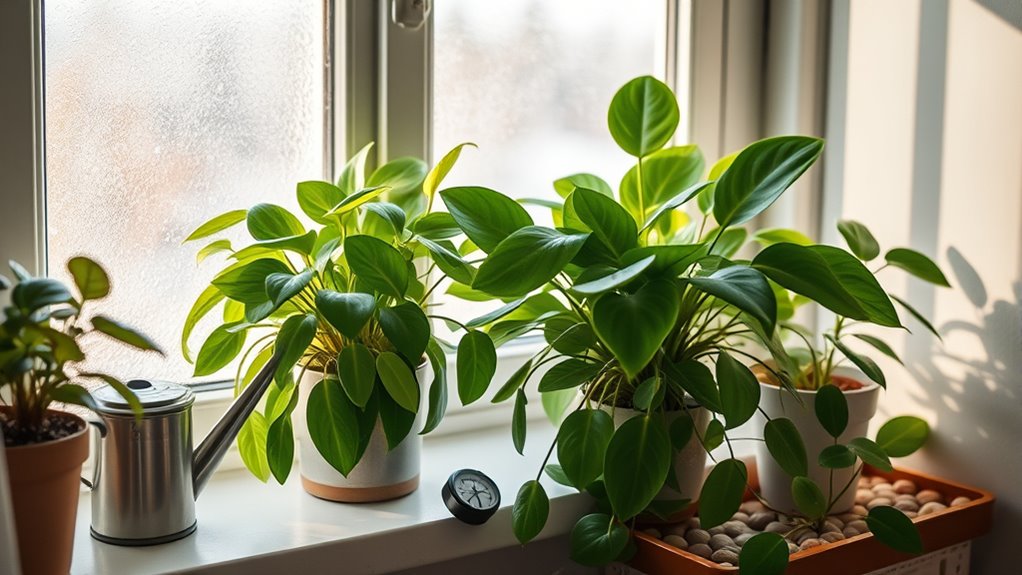
As winter settles in, caring for your houseplants becomes even more important to keep them healthy and thriving. During this season, natural light diminishes, making it necessary to supplement with artificial lighting. If your windows don’t provide enough sunlight, especially on cloudy days, you should consider using grow lights or other artificial sources to guarantee your plants get adequate light. Position the lights close enough to mimic the sun’s rays, but avoid placing them too close to prevent leaf scorch. Regularly monitor your plants’ response to artificial lighting, adjusting the duration and intensity as needed. This not only encourages healthy growth but also helps prevent legginess, which can happen when plants stretch toward limited sunlight.
Winter sunlight is limited—use grow lights to keep your houseplants healthy and thriving indoors.
Alongside proper lighting, humidity control becomes critical in winter. Indoor air tends to get dry as heating systems run constantly, leading to lower humidity levels that can stress your plants. To maintain ideal moisture, place a humidity tray filled with water and pebbles beneath your plants, ensuring the pots don’t sit directly in the water. You can also mist your plants regularly, but be cautious not to overdo it, as excessive moisture can promote fungal issues. If you have a larger collection, investing in a humidifier might be the most effective way to keep humidity levels consistent. Plants like ferns, orchids, and tropical varieties especially benefit from higher humidity, so paying attention to their needs can make a noticeable difference in their health.
Additionally, pay attention to your plant placement. Keep plants away from direct heat sources like radiators, vents, or fireplaces, which can dry out the air around them even further. Grouping plants together can create a microenvironment with increased humidity, providing a more stable environment during the dry winter months. Regularly check the soil moisture level; winter watering needs are usually reduced, but don’t let your plants dry out completely. When watering, do so thoroughly, allowing excess water to drain away, which helps prevent root rot. Using Vetted electric bike conversion kits for outdoor gardening tools or equipment can be a creative way to enhance your gardening setup if needed.
In essence, winter houseplant care hinges on compensating for the reduced natural sunlight through artificial lighting and maintaining proper humidity levels. These adjustments help your plants adapt to indoor conditions, ensuring they remain healthy and vibrant throughout the colder months. By paying close attention to light and moisture, you can enjoy lush, thriving houseplants even when the outside world is covered in snow.

Aokrean Plant Grow Light, 48 LEDs Full Spectrum Grow Lights for Indoor Plants, Height Adjustable Small Halo Grow Light with Base, 3 Optional Spectrums, Auto Timer 3/9/12Hrs, 10 Brightness, 3 Pack
NOTE: The product stand needs to be pressed down by the flower pot to be stable. Not wireless…
As an affiliate, we earn on qualifying purchases.
As an affiliate, we earn on qualifying purchases.
Frequently Asked Questions
How Often Should I Prune Winter Houseplants?
You should prune winter houseplants every 4 to 6 weeks, depending on their growth. During winter trimming, focus on removing dead or yellowing leaves and shaping the plant to promote healthy growth. Regular pruning helps prevent disease and encourages new growth, even during colder months. Keep an eye on your plants, and if you notice overgrowth or dead leaves, don’t hesitate to prune to maintain their health and appearance.
What Are Signs My Plant Is Overwatered in Winter?
You notice your plant’s leaves turning yellow or brown, signaling overwatering. While it might seem lush, the roots could be rotting due to excess watering issues. In winter, overwatering often causes leaf discoloration and soggy soil. Feel the soil—if it’s constantly wet, your plant’s getting too much water. Reduce watering, let the soil dry out, and guarantee proper drainage to prevent further damage and keep your plant healthy.
Can I Use Artificial Light Instead of Sunlight?
Yes, you can use artificial lighting as a sunlight replacement for your houseplants in winter. Make sure to select grow lights that emit the full spectrum of light, closely mimicking natural sunlight. Position the lights about 6-12 inches above your plants and keep them on for 12-16 hours daily. This setup ensures your plants get enough light to thrive, even when natural sunlight is limited.
How Do I Prevent Pests During Winter Months?
Think of pests as uninvited guests sneaking in during winter. To prevent indoor pests, regularly inspect your plants and keep leaves dry to discourage pests and fungal disease. Use neem oil or insecticidal soap as a natural barrier. Guarantee good air circulation and avoid overwatering, which can attract pests. These simple indoor pest prevention steps help keep your houseplants healthy and pest-free all winter long.
What Temperature Range Is Ideal for Winter Houseplants?
You should keep your winter houseplants in a temperature range of 65-75°F for essential growth. Proper temperature regulation prevents stress and disease. Additionally, humidity control is vital since indoor air tends to be dry in winter; aim for around 40-60% humidity. Use a humidifier or place a tray of water nearby to maintain moisture levels. Avoid cold drafts or sudden temperature drops to keep your plants healthy all season.
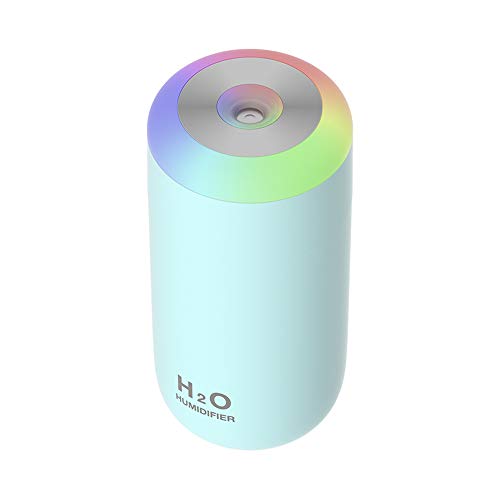
O-Mei Stars Plant Humidifier indoor, 350ml Humidifier for plant, desk, portable, travel (Cyan)
【Small Humidifier& Plant Humidifier】 Portable and small design is very easy take with you anywhere and super perfect…
As an affiliate, we earn on qualifying purchases.
As an affiliate, we earn on qualifying purchases.
Conclusion
As winter settles in, remember that consistent care keeps your houseplants thriving. Think of it like a steady rhythm—you water, provide light, and adjust humidity just enough to support their growth. Believe it or not, plants respond positively to routine, much like us. So, stay attentive and patient, and your indoor garden will flourish through the cold months, proving that a little care goes a long way in keeping your green friends happy and healthy all winter long.

Gardzen 5-Set Seed Starter Tray Kits, Durable Plant Germination Trays with Humidity Vented Domes and Bases, Ideal for Seed Starting, Indoor Gardening, and Greenhouse (Total 200 Cells)
Upgraded with Adjustable Ventilation – Gardzen seed starter tray has been newly upgraded with two air vents added…
As an affiliate, we earn on qualifying purchases.
As an affiliate, we earn on qualifying purchases.

Automatic Plant Waterer Indoor Self Watering System for 15 Potted Plants, Auto Drip Irrigation Kit Programmable Water Timer with Smart Humidity Detection
Butler-grade watering system – You're unlocking the freedom to embark on journeys with your loved ones, cherishing moments…
As an affiliate, we earn on qualifying purchases.
As an affiliate, we earn on qualifying purchases.