
TL;DR

Get garden gear delivered free with Prime
- Fast, free delivery on millions of items
- Prime Video, Amazon Music and more included
- Member-only deals all year
Country Living published a list of 12 plants that can add winter interest through colorful stems, persistent berries, dried flower heads, evergreen foliage, bark and early blooms. The report describes their garden qualities, but does not provide a planting calendar or region-specific growing advice.
Country Living has published a guide to 12 plants that can give gardens color and texture during winter, from red-stemmed dogwood and berry-bearing winterberry holly to ornamental grasses and early-flowering shrubs. The report focuses on features that remain visible in cold months, offering gardeners options beyond plants valued mainly for summer blooms.
The recommendations draw on several kinds of winter interest. Red twig dogwood is grown for stems that become more vivid as temperatures fall, while panicle hydrangea can retain its large flower heads through winter. The dried heads may be cut back in spring or left to drop naturally, according to the report. Paperbark maple offers peeling bark, and ornamental grasses such as feather reed and fountain grass can provide movement as they sway in winter winds.
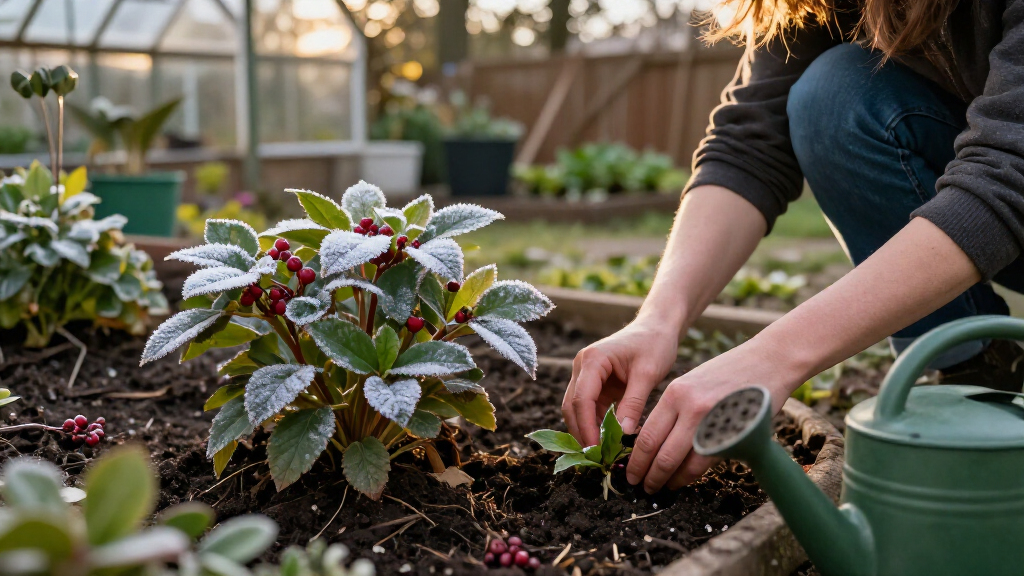
Other choices add berries or seed heads. Winterberry holly is a deciduous native species whose red berries persist after its leaves fall and are described as attractive to birds. The report says gardeners need both a male and female cultivar for pollination and berry production. It also recommends leaving coneflower and black-eyed Susan stems standing, where their dried flower heads can provide food for birds and visual structure.
The list includes plants with interest in late winter or early spring as well. Daphne and lily of the valley shrub produce flowers in that period; the latter is described as shade tolerant and deer resistant. Pussy willow produces fuzzy catkins before its leaves emerge. Heather can carry evergreen foliage in different colors, with Erica carnea identified in the report as a choice for winter blooms. Seven son flower shrub contributes peeling bark and purplish fruits, following its late-summer flowers.
Winter Interest Beyond Evergreens
The recommendations show that winter garden appeal can come from more than evergreen leaves. Stems, bark, berries and standing seed heads can keep beds visually structured after many flowering plants have died back, while early blooms extend the season before spring growth is underway.
Some choices may also serve wildlife: the report says birds eat winterberry berries and can feed on coneflower and black-eyed Susan flower heads left in place. Those benefits depend on local conditions and plant selection; the guide does not quantify wildlife effects or promise that every garden will attract birds.
Products Worth Considering

EGO POWER+ Cordless Electric Leaf Blower, 530 CFM, with 2.5Ah Battery (LB5302)

Husqvarna 455 Rancher Gas Chainsaw, 20 inch, 55-cc 3.5-HP

Weber Searwood 600 Wood Pellet Smoker Grill, Black
As an affiliate, we earn on qualifying purchases.
How the Plants Carry Through Winter
The Country Living report groups plants by what remains attractive in colder months rather than setting out a month-by-month planting plan. Several recommendations rely on leaving growth intact: hydrangea panicles, grass blades and dried flower heads can remain until spring. Others offer color from woody stems, berries or bark, or flower near the end of winter.
The list spans shrubs, trees, grasses and perennials, but it does not give regional hardiness zones, specific planting dates, or detailed care instructions for all 12 plants. Its descriptions are a starting point; gardeners will need to match species and cultivars to their site and local climate.
“The red color of red twig dogwood becomes even more vivid when temperatures drop.”
— Country Living
Local Growing Conditions Still Matter
The source does not specify publication date, growing zones, or whether each plant is suitable for every region. Winter hardiness and flowering times can vary by climate, and the guide does not provide a complete care profile for each recommendation. Gardeners should check local growing guidance before choosing plants, particularly where soil moisture, shade, available space or winter temperatures may be limiting factors.
The report describes winterberry as a native species but does not identify the region in which it is native. It also notes that pussy willow can spread or take over an area, without giving a size estimate. The space needed and the best pruning approach will depend on the planting site and cultivar.
Check Fit Before Planting
Before adding any of the 12 plants, gardeners can compare each plant’s mature size and growing needs with their local climate, soil and available light. For winterberry, the guide’s male-and-female pairing advice is relevant if berries are the goal; for pussy willow, it recommends allowing ample room or cutting the shrub back every few years to the ground.
For plants already in the garden, the report points to a simple seasonal choice: leave selected grasses, hydrangea flower heads and seed-bearing stems in place through winter, then decide in spring whether to prune or let them fall naturally. The source provides no follow-up planting schedule or regional update.
Key Questions
Which plants in the list provide color during winter?
Red twig dogwood offers vivid stems, winterberry holly carries red berries after its leaves fall, and heather can retain colored evergreen foliage. Panicle hydrangea may also keep its flower heads through the season.
Do I need two winterberry holly plants?
Country Living says gardeners should plant both a male and a female cultivar for pollination and berry formation. The report does not name particular compatible cultivars.
Should I cut ornamental grasses back before winter?
The report recommends leaving grasses such as feather reed and fountain grass intact through winter for texture and movement. It does not give a specific spring cutting date.
Which plants in the guide flower in late winter or early spring?
Daphne and lily of the valley shrub are described as flowering in late winter to early spring. Pussy willow catkins appear in early spring before foliage, and the guide identifies Erica carnea for winter blooms.
Does the list say when or where to plant these choices?
No. The source describes winter features but does not provide planting dates or regional hardiness guidance. Check local growing information and the needs of the specific species or cultivar before planting.
Source: rss