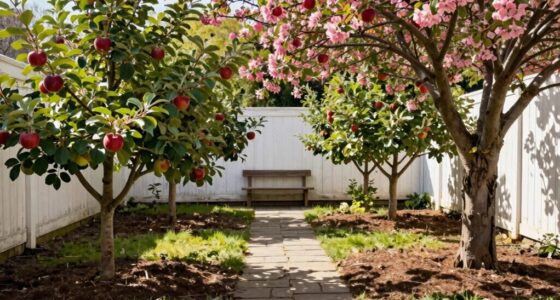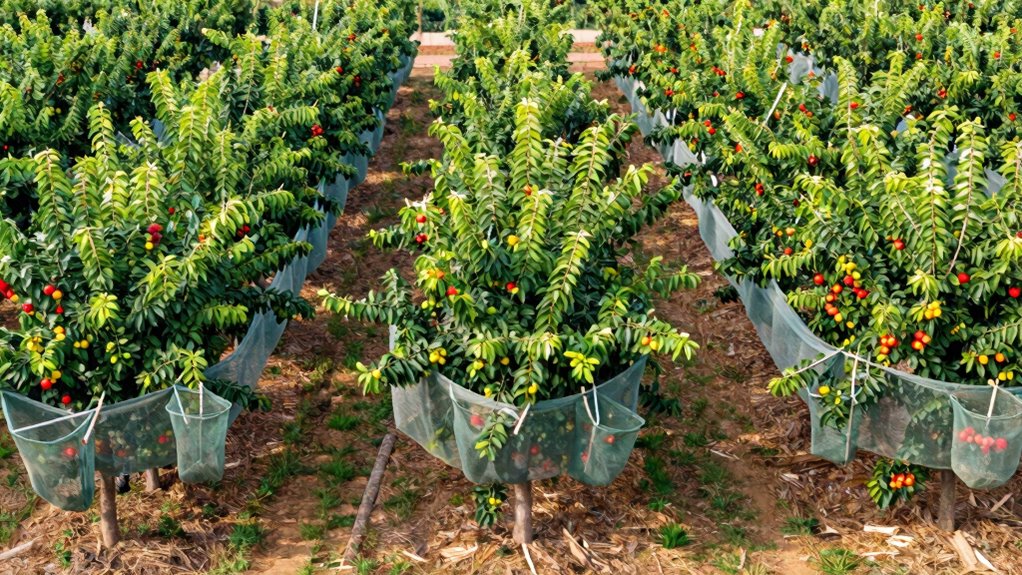

To design fruit tree zones for easier netting and cleanup, organize your layout by grouping trees of similar size and type into manageable zones, making covering and uncovering quicker. Place trees strategically to promote airflow and sunlight, reducing disease risk and aiding pest control. Use natural barriers and pathways to facilitate access for maintenance, and install irrigation systems that keep moisture levels ideal without complicating netting. Keep zones simple and organized, so cleanup becomes less time-consuming; explore further to discover more smart design tips.

Get garden gear delivered free with Prime
- Fast, free delivery on millions of items
- Prime Video, Amazon Music and more included
- Member-only deals all year
Key Takeaways
- Group similar-sized and type trees into uniform zones for faster netting and easier maintenance.
- Design accessible pathways to simplify netting, pruning, and cleanup activities throughout the orchard.
- Strategically place trees to minimize netting coverage and facilitate quick covering and uncovering.
- Incorporate natural barriers and fencing to define zones and protect against pests, reducing netting complexity.
- Use organized layouts to streamline cleanup after harvest and reduce pest infestation risks.
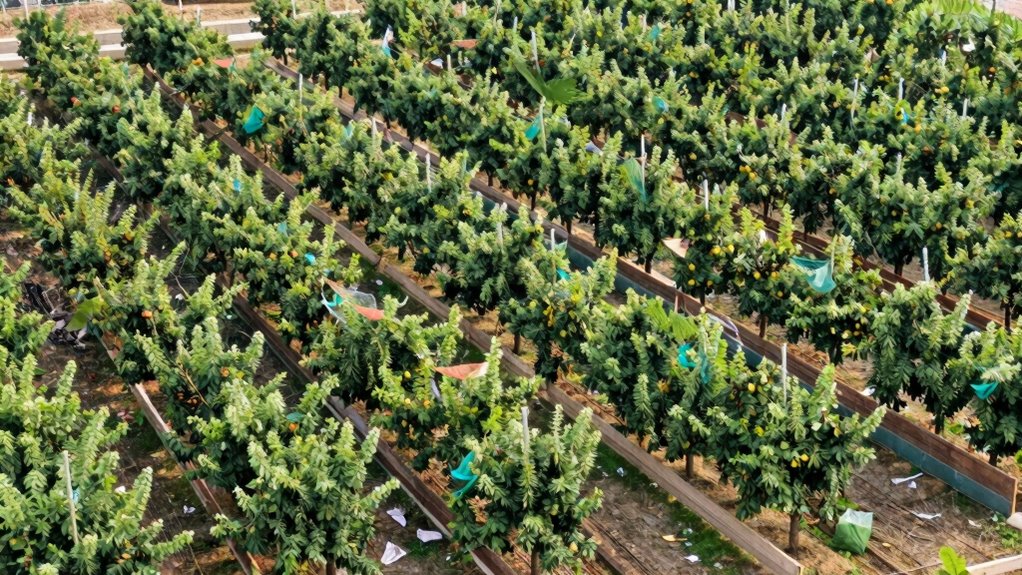
Having a well-organized layout also facilitates the implementation of biodiversity-friendly practices, which can naturally enhance pest control and promote ecological balance. Have you ever wondered how to organize your backyard for the best fruit harvest? The key lies in designing your fruit tree zones thoughtfully, making netting and cleanup much easier. Start by considering the layout that minimizes the effort needed to protect your trees from pests and simplifies maintenance. Placing your trees strategically ensures you can cover them with netting efficiently, reducing the time and effort spent during harvest season. For example, grouping trees of similar size and type keeps netting manageable and allows you to create uniform zones, which makes covering and uncovering much quicker. This organization also helps in pest control, since you can target specific zones with integrated strategies, like trap crops or natural repellents, without affecting the entire garden.
Irrigation planning plays an essential role in designing these zones. When you plan your watering system, think about the placement of each tree and how water will flow through the area. Drip irrigation is ideal because it delivers water directly to the roots, reducing excess moisture that pests love and lowering disease risk. Proper irrigation planning also means you won’t have to crawl under netting to water your trees manually, easing cleanup and maintenance. Use mulch around the trees to retain moisture and suppress weeds, making it easier to keep the area tidy and pest-free. Additionally, understanding the importance of proper zone organization can help you optimize resource use and improve overall orchard management. Incorporating efficient irrigation techniques further enhances your ability to maintain healthy trees with less effort. Plus, implementing smart watering systems can help automate this process, saving time and ensuring consistency.
As you organize your zones, pay attention to airflow and sunlight exposure. Good airflow helps keep fungal diseases at bay and discourages pests, while ample sunlight ensures healthy, productive trees. Creating open pathways between zones allows you to access each section easily for pruning, pest control, and harvesting. These pathways also help during cleanup, so you don’t have to drag equipment through densely planted areas. Incorporate natural barriers, such as low fences or hedges, to protect zones from wind and pests, and to define boundaries clearly. Planning for effective pest management from the start can greatly reduce the need for chemical interventions later on.
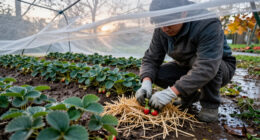
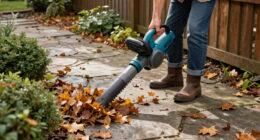
Finally, always keep pest control in mind when designing your zones. Regularly monitor each area for signs of pests or disease, and plan your netting accordingly. When you can cover your trees quickly and efficiently, you reduce the chances of pest infestation and make cleanup after harvest smoothly. By combining thoughtful layout, smart irrigation, and pest control strategies, you’ll create fruit tree zones that are not only productive but also easier to manage. This approach saves you time, keeps pests at bay, and guarantees your backyard remains a thriving, fruit-bearing haven.
Products Worth Considering

Rachio 3 Smart Sprinkler In-Ground WiFi Irrigation Controller, 8-Zone

HOPETANA 8 × 16 ft Walk-In Polycarbonate Greenhouse

8×16 ft Walk-In Greenhouse – Heavy-Duty Outdoor Greenhouse
As an affiliate, we earn on qualifying purchases.
Frequently Asked Questions
What Materials Are Best for Creating Durable Tree Zone Barriers?
For durable tree zone barriers, you should choose strong, weather-resistant barrier materials like heavy-duty polyethylene or polypropylene. These materials withstand sun, wind, and moisture, enhancing durability considerations. Consider using landscape fabric or netting with reinforced edges for added strength. Metal or PVC frames also improve barrier longevity, ensuring your fruit trees stay protected and easy to manage. Opt for high-quality materials to minimize replacements and maintenance over time.
How Do I Balance Aesthetics and Functionality in Zone Design?
Balance aesthetics and functionality by prioritizing visual harmony while addressing practical considerations. You want your zone to look inviting, so choose materials and colors that blend seamlessly with your landscape. Simultaneously, guarantee ease of netting and cleanup by selecting durable, low-maintenance options. Think about accessibility, visibility, and ease of movement, so your zone functions well and looks beautiful—merging practicality with visual appeal for a cohesive, efficient garden space.
Can Zone Layouts Accommodate Different Fruit Tree Species?
Yes, your zone layouts can accommodate different fruit tree species by considering species compatibility and planting diversity. You should group trees with similar watering, sunlight, and soil needs together, ensuring they thrive without interfering with each other. Incorporate diverse species to promote resilience and attract beneficial insects. This way, you create a balanced, productive orchard that’s easier to net and clean, while also supporting a thriving ecosystem.
How Often Should Zone Boundaries Be Reassessed or Adjusted?
You should reassess your zone boundaries annually or whenever you notice issues with boundary maintenance or zone flexibility. Regular evaluations help guarantee the zones suit your evolving garden needs, accommodate growth, and prevent overlaps or gaps. Adjust boundaries as needed to improve netting efficiency and cleanup ease. Staying proactive keeps your fruit tree zones optimized, making maintenance simpler and ensuring your orchard remains healthy and productive over time.
What Are Common Mistakes to Avoid When Designing Zones?
Avoid common mistakes like overcrowding trees, which hampers pest control and makes netting harder, and ignoring proper tree spacing that leads to tangled cleanup. You should also not overlook the importance of designing zones that facilitate easy netting access and pest management. Failing to plan for airflow and sunlight can cause disease, so make sure your zones are well spaced and organized to promote healthy growth and easier maintenance.
Conclusion
By designing your fruit tree zones with netting and cleanup in mind, you’ll save time and effort while protecting your harvest. Implementing strategic layouts makes it easier to cover trees and remove fallen fruit, reducing pest issues. Did you know that properly managed orchards can see a 30% increase in fruit yield? With thoughtful planning, you’ll enjoy a healthier, more productive orchard that’s easier to maintain—turning your gardening efforts into a fruitful success.