TL;DR

Get garden gear delivered free with Prime
- Fast, free delivery on millions of items
- Prime Video, Amazon Music and more included
- Member-only deals all year
Gardening Know How reports that Japanese anemones are drawing attention in neighborhood gardens because many varieties flower from late summer into fall. Their blooms can also offer food for bees and other visiting insects, but the plants may spread and need suitable growing conditions.
Japanese anemones are adding late-season color to gardens as summer flowers fade, according to a Gardening Know How report that describes the plants flowering from late summer into fall. The flowers can also provide food for bees and other visiting insects, though gardeners should account for their tendency to spread before planting.
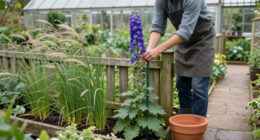
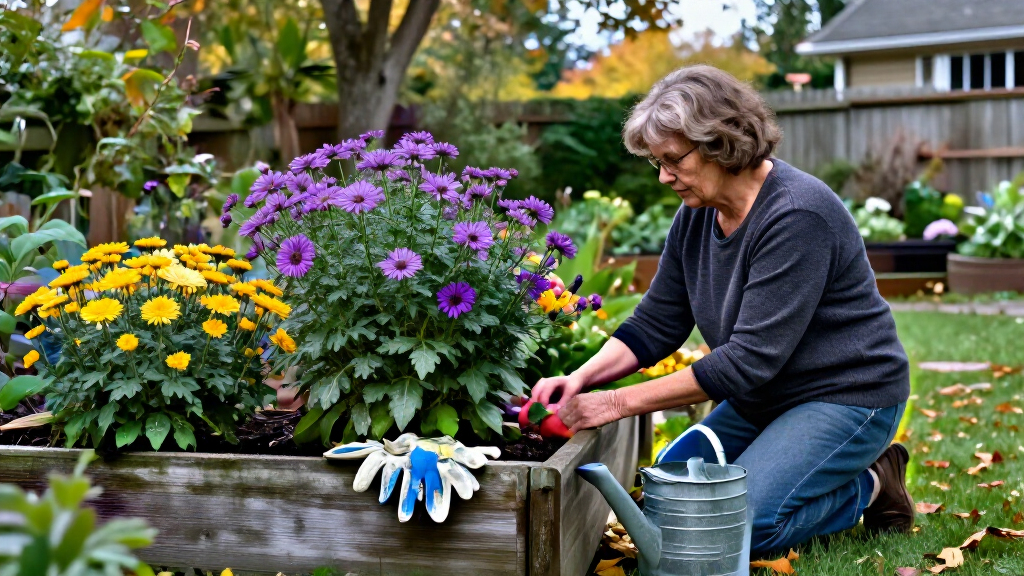
The report says Japanese anemones have become a conspicuous feature in several neighborhood gardens, appearing along a low wall, in a large border planting and in groups of tall stems bearing flowers. Their appeal is partly seasonal: when roses, hydrangeas, lavender and dahlias are past their summer peak, Japanese anemones may still be blooming.
Flowering time depends on the cultivar and growing conditions. The report says some plants can bloom from late summer well into fall, with many continuing into October, depending on the gardener’s USDA planting zone. A group of plants can create a more substantial display than a single specimen, although the report does not give measurements or compare specific cultivars’ performance.
Examples named in the report include Honorine Jobert, Fantasy Red Riding Hood and Fall in Love Sweetly. It says Japanese anemones generally prefer a sunny or partially shaded site and reasonably fertile soil that does not dry out completely. Established plants can spread, particularly in favorable conditions, so their location and available space matter.
A Longer Season for Garden Color
Japanese anemones may help gardeners maintain flowers in the landscape after many familiar summer blooms begin to fade. That can make a border or garden bed look more colorful in September and October, although the length and timing of the display depend on local conditions and the variety planted.
The report also points to a potential benefit for pollinators: the open blooms can provide food for bees and other visiting insects at a time when fewer flowers may be available in a garden. It does not quantify the plants’ contribution to pollinator populations, so this is a practical garden benefit rather than a measured environmental impact.
For readers choosing plants, the trade-off is straightforward. The late-season display and flowers for visiting insects may suit a spacious border, while the plant’s capacity to spread could be a concern near smaller or more delicate perennials. Placement is part of the decision, not an afterthought.
Japanese anemone plants for fall garden
As an affiliate, we earn on qualifying purchases.
As an affiliate, we earn on qualifying purchases.
From Summer Borders to Fall Blooms
The Gardening Know How report frames Japanese anemones as a late-season addition to a garden that has already featured summer flowers such as roses, hydrangeas, lavender and dahlias. Its central observation is that some gardens appear to gain fresh color as those earlier blooms decline, rather than simply winding down toward winter.
The report describes variation among named cultivars and cautions that flowering depends on both the plant and its growing conditions. It does not provide a planting calendar for every region, nor does it claim that all Japanese anemones will flower through October. The USDA planting zone is one factor in the timing.
Its advice is specific to site selection: provide sun or partial shade and soil that is reasonably fertile and does not dry out completely. Because established plants may spread, gardeners should consider how much space they can give them and whether nearby plants could be crowded.
flowering border plants for pollinators
As an affiliate, we earn on qualifying purchases.
As an affiliate, we earn on qualifying purchases.
Bloom Timing and Spread Vary
The report does not identify the neighborhoods or locations where the gardens were observed, and it provides no independent survey of how widely Japanese anemones are being planted. The description of them as a popular or conspicuous fall flower reflects the article’s observations, not a measured trend.
Exact bloom dates, flower abundance and the rate at which a plant spreads will vary by cultivar, climate, soil and growing conditions. The report does not offer a region-by-region forecast or specify how quickly a particular variety might fill a bed. Gardeners should check details for the cultivar and conditions in their area before buying.
As an affiliate, we earn on qualifying purchases.
Check Site Conditions Before Planting
Gardeners considering Japanese anemones can compare cultivars and confirm that the selected plant suits their USDA planting zone and available light. They should also assess whether the soil is likely to stay reasonably moist and fertile, and whether the bed has enough room for a plant that may spread.
The report does not announce a new product, planting trial or follow-up schedule. Its practical next step is for readers to select a suitable site and variety rather than assume every plant will produce the same fall display. Flowering and spread can only be judged over time in the conditions where the plant grows.
As an affiliate, we earn on qualifying purchases.
Key Questions
When do Japanese anemones flower?
According to Gardening Know How, they can flower from late summer into fall. Many may continue into October, but timing depends on the cultivar, growing conditions and USDA planting zone.
Where should Japanese anemones be planted?
The report says they generally prefer sun or partial shade and reasonably fertile soil that does not dry out completely. Local conditions and cultivar needs can affect how well a plant performs.
Do Japanese anemones attract pollinators?
The report says their open blooms can provide food for bees and other visiting insects. It does not quantify how many pollinators they support.
Can Japanese anemones spread?
Yes. Gardening Know How cautions that established plants can spread, especially when conditions suit them. Gardeners should account for that when choosing a site near smaller or delicate perennials.
Source: rss
Halloween Picks
halloween
As an affiliate, we earn on qualifying purchases.