
TL;DR
Butterfly pea (Clitoria ternatea) is a heat-loving twining vine that can grow up to 15 feet and flower from late spring through fall. The source guide describes its preferred conditions as full sun, well-drained soil and steady, moderate moisture; it is perennial in USDA Zones 10 to 12 and often grown as an annual elsewhere.
A gardening guide to butterfly pea (Clitoria ternatea) describes how home gardeners can grow the blue-flowered climbing vine for ornamental blooms, pollinator appeal and edible flowers used to color tea. The tropical perennial grows year-round in USDA Hardiness Zones 10 to 12, while gardeners in colder areas commonly treat it as an annual, according to the supplied source material.

Get garden gear delivered free with Prime
- Fast, free delivery on millions of items
- Prime Video, Amazon Music and more included
- Member-only deals all year
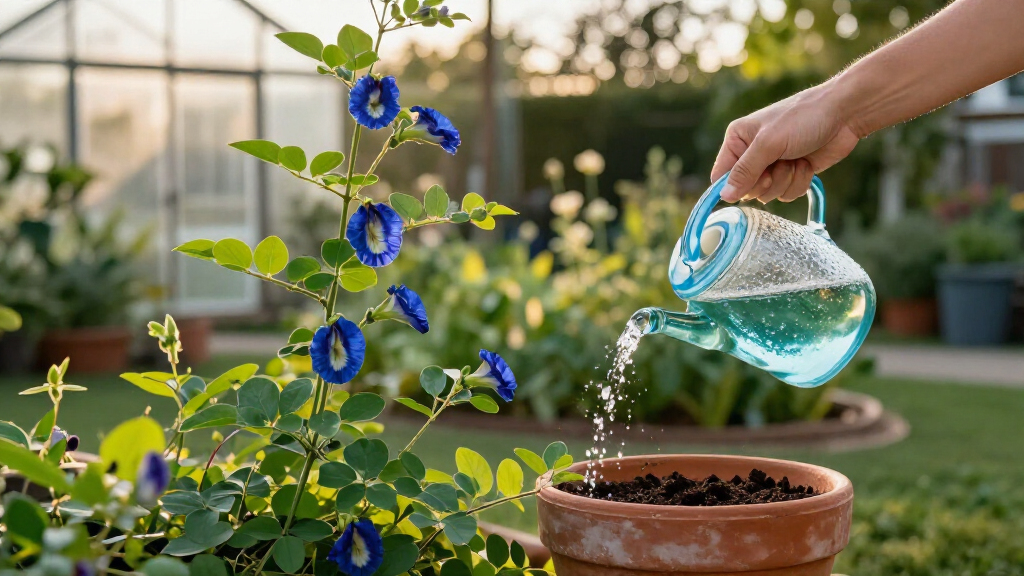
Butterfly pea is a twining vine that can reach about 15 feet long when mature. Its flowers, commonly vivid blue with a yellow center, may grow up to two inches across; white and pink forms are also reported. The source says blooms appear from late spring through summer and fall. A trellis or another sturdy support gives the vine somewhere to climb, although it can also spread across the ground as a cover.
For the most flowers, the guide recommends full sun; the plant can tolerate partial sun, but lower light may mean fewer blooms. It prefers loamy, rich, well-drained soil, though the source describes it as adaptable to sandy or clay soils as well. Keep the soil somewhat moist rather than waterlogged: the plant can tolerate dry spells, but consistently soggy roots may rot. The source gives a broad preferred soil pH range of 6.0 to 8.0.
The plant fixes nitrogen in the soil, according to the guide, which says this can reduce the need for nitrogen fertilizer. It does not provide a complete fertilizer schedule or specify how much nitrogen it adds under different growing conditions. In cold climates, the source advises treating the vine as an annual; in suitable warm zones, pruning can help keep a perennial plant tidy. Gardeners can steep the petals in hot water to make blue tea, which changes toward purple when an acidic ingredient such as lemon is added.
Grow butterfly pea for blooms and blue tea
This heat-loving twining vine brings seasonal flowers and edible petals to the garden. Sun, drainage and climate shape how it grows.
Give the vine a good start
Choose conditions that support flowering and healthy roots.
Choose full sun
Partial sun is tolerated, but lower light may mean fewer blooms.
Keep it draining
Use well-drained soil and keep it somewhat moist, not waterlogged.
Let it climb
A sturdy trellis supports its twining growth; it can also spread as ground cover.
Match the plant to your climate
Its tropical habit determines whether it can return year after year.
- Perennial in USDA Zones 10 to 12.
- Prune to keep the vine tidy.
- Grow it as an annual where winter prevents year-round growth.
- It may reach full size in one growing season.
From garden to cup
The flowers offer ornamental color and a simple infusion.
Flowers appear from late spring through summer and fall.
Hot water draws out a blue color used for tea.
An acidic ingredient can shift the infusion toward purple.
Plan care around what you observe
- Check local climate guidance before planting.
- Monitor moisture; soggy roots may rot.
- If foliage is abundant but blooms are few, review light and watering.
- Consult local extension services for planting dates and care advice.
A Climber for Flowers and Tea
Butterfly pea offers gardeners several uses in one plant: climbing cover, seasonal flowers and petals that color tea. Its blooms also attract pollinators, including bees and moths, according to the source. The combination makes it an option for ornamental, edible and pollinator-focused gardens, provided the local climate can support it during the growing season.
The plant’s nitrogen-fixing ability may also interest gardeners seeking vines for bare areas or soil improvement. That does not mean it will replace soil testing or other nutrient management. The source also mentions research into compounds in butterfly pea as a potential basis for environmentally friendlier insecticides; it gives no study details or evidence that gardeners should use the plant as pest control.
Uses beyond gardening call for care. The source reports that people use the plant medicinally for conditions including inflammation, pain and diabetes, and for cognitive effects, but it supplies no clinical evidence, dosing guidance or safety information to support those uses. Those statements should not be treated as medical advice; people considering an herbal product should consult a qualified health professional.
Products Worth Considering

Husqvarna Automower 435X AWD Robotic Lawn Mower

Rachio 3 Smart Sprinkler Controller, 16-Zone

EGO Power+ SNT2122 21-Inch Single-Stage Snow Blower with Two 4.0Ah Batteries and 320W Charger
As an affiliate, we earn on qualifying purchases.
A Tropical Vine in Cooler Gardens
The supplied guide identifies South and Southeast Asia as the plant’s likely region of origin, while noting that its exact native range is uncertain because it has spread and naturalized in parts of Africa, Australia, and North and South America. It says the name’s link to the island of Ternate does not establish that the plant originated there.
Its tropical growing habit explains the difference between perennial and annual cultivation. In Zones 10 to 12, it can survive as a perennial; in colder regions, gardeners can grow it for one season and remove it after the foliage yellows. The source says the vine can reach full size in a single growing season, making annual planting a practical choice where winter temperatures prevent year-round growth.
The blue color comes from anthocyanins, pigments also found in various purple or blue foods, according to the source. Changes in acidity can alter the color of an infusion: adding lemon makes the blue tea appear purple. The source describes this as a color effect, not evidence of a health benefit.
Limits of the Growing Advice
The supplied material is a general gardening guide, not a dated announcement or a report of new research. It does not identify a specific author, trial, location or source for its cultivation recommendations. Results may differ with local climate, soil and watering conditions.
Some details also need qualification: the guide gives both a preferred pH range of 6.0 to 8.0 and a separate quick-reference range of 7.0 to 8.0. It says nitrogen fertilizer may not be needed but provides no soil-test results or application rates. The source does not give a precise frost threshold, germination instructions, or a schedule for watering and pruning. Its medicinal and insecticide-related statements are not supported with study citations in the material provided.
The source does not discuss whether butterfly pea is toxic to children or pets, nor does it give food-safety or preparation guidance beyond steeping petals in hot water. Readers should not infer safety from the plant’s use as a tea ingredient; confirm identification and consult reliable local guidance before consuming flowers or giving plant material to children or animals.
Plan for Local Growing Conditions
Before planting, gardeners should check whether their area falls within the vine’s perennial hardiness range and choose a sunny spot with soil that drains well. In regions with cold winters, plan for annual cultivation rather than assuming the vine will return. Provide a support if vertical growth is wanted, and monitor soil moisture so it stays lightly moist without remaining saturated.
As the plant grows, observe flowering and adjust light or watering if it produces abundant foliage but few blooms. The supplied source offers no formal follow-up research or publication date; gardeners seeking more precise advice should consult local extension services for climate-specific planting dates and care recommendations.
Key Questions
Can butterfly pea grow in a cold climate?
It is a tropical perennial in USDA Zones 10 to 12, according to the source. In colder climates, it is commonly grown as an annual because it may not survive winter outdoors.
Does butterfly pea need a trellis?
A trellis is not required, but the twining vine benefits from support if you want it to climb. It can also spread across the ground as a cover.
How much sun and water does it need?
The source recommends full sun for the best flowering and soil kept somewhat moist. It tolerates dry spells, but waterlogged soil can cause root rot.
Can butterfly pea flowers be used to make tea?
The source describes steeping the petals in hot water to make a blue infusion. Adding an acidic ingredient such as lemon can shift the color toward purple. It does not provide medical or food-safety guidance.
Is butterfly pea safe to use medicinally?
The supplied material mentions traditional or claimed medicinal uses but provides no clinical evidence, dosage or safety assessment. Do not use it to treat a health condition without advice from a qualified health professional.
Source: gardenerspath.com