To create a successful small urban orchard, you should space trees roughly 12 to 25 feet apart, depending on their mature size, to guarantee healthy growth and good airflow. Design accessible pathways that are wide enough for tools and maintenance, making sure routes are level to protect roots and soil. Proper spacing and clear access help boost pollination, prevent overcrowding, and support soil health—key factors to a thriving urban orchard. Keep exploring to learn more tips for a fruitful setup.
Key Takeaways
- Space trees 12-25 feet apart based on their mature size to ensure healthy growth and airflow.
- Position compatible varieties close enough for effective pollination by bees and other pollinators.
- Design wide, level pathways for easy access during maintenance, harvesting, and pest control.
- Incorporate soil amendments and mulch to improve soil health and support root development.
- Plan layout to promote harmony between trees, pollinators, and maintenance routes for a sustainable urban orchard.

Have you ever considered transforming a small city patch into a thriving urban orchard? If so, one of your first priorities should be planning the spacing and access to guarantee your trees grow healthy and productive. Proper spacing isn’t just about making room for each tree; it’s about creating an environment that promotes effective pollination and makes maintenance easier. When it comes to pollination strategies, you want to position your fruit trees thoughtfully. Plant compatible varieties close enough to allow bees and other pollinators to move easily between them, boosting fruit set and quality. Avoid overcrowding, which can hinder airflow and make pest management more difficult, but also don’t space trees too far apart, risking reduced pollination efficiency. A good rule of thumb is to follow the recommended spacing for each species, usually between 12 to 25 feet, depending on mature size. This assures you maximize sunlight exposure and airflow, both critical for healthy growth and disease prevention.
Access is equally important to maintain your urban orchard effectively. You’ll want to design your layout with clear paths that allow you to move comfortably between trees for pruning, harvesting, and pest control. Consider installing wide, level walkways that won’t compact the soil around your trees. Proper soil management techniques go hand-in-hand with good access planning. Healthy soil forms the foundation of a successful urban orchard. Use organic matter and mulch to improve soil structure, retain moisture, and promote beneficial microbial activity. Well-managed soil enhances root development, which in turn supports better fruit production and resilience against pests and diseases. When planning access routes, ensure they’re wide enough to accommodate tools and carts, minimizing damage to the soil and roots. Additionally, understanding the benefits of soil health can help you optimize your orchard’s productivity and sustainability.
Incorporate pollination strategies into your layout by planting a variety of flowering plants that attract native pollinators and honeybees, creating a pollinator-friendly environment. Positioning these plants strategically around your fruit trees enhances pollination success. With thoughtful spacing, accessible pathways, and attention to soil management techniques, you set the stage for a productive, sustainable urban orchard. It’s about creating harmony between your trees, pollinators, and your maintenance routines. By doing so, you’ll not only maximize your yield but also foster a vibrant, resilient green space amid the urban landscape.
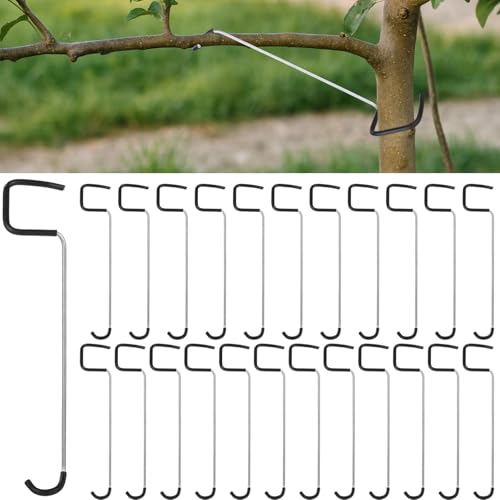
OMISTAR 24 Pcs Fruit Tree Limb Spreaders, Tree Branch Puller Spreaders, Plant Training Tools, Reusable Rubber Wrapped Steel Wire, Tree Open Angle Bending Tools for Orchard & Garden
Optimized Growth: Designed to guide your trees to flourish; easy to support, bend, and open angles of various…
As an affiliate, we earn on qualifying purchases.
As an affiliate, we earn on qualifying purchases.
Frequently Asked Questions
What Are the Best Fruit Varieties for Small Urban Orchards?
You should choose compact or dwarf fruit varieties like dwarf apple, cherry, or plum trees, perfect for small urban orchards. Verify they meet pollination requirements by planting compatible varieties nearby for better fruit set. Regular fruit tree pruning helps maintain size and health, making access easier and improving yields. Pick varieties suited to your climate and space, and remember to include pollinators for successful fruit production.
How Do I Protect My Orchard From Urban Pests and Diseases?
To protect your orchard from pests and diseases, you should practice organic pest control methods like introducing beneficial insects and applying organic sprays. Companion planting helps deter pests naturally; plant marigolds or nasturtiums near your trees to repel unwanted critters. Regularly inspect your trees for early signs of trouble, remove infected parts, and keep your orchard clean. These strategies create a healthy environment, reducing the need for chemical interventions.
What Are the Legal Considerations for Planting an Orchard in City Spaces?
You’re walking a tightrope, but with proper planning, you’ll stay on the right side of the law. Check local zoning regulations to guarantee planting an orchard is permitted in your city space, and understand your property rights to avoid legal trouble. Some areas may require permits or restrictions, so it’s wise to consult city ordinances or a legal expert. Staying informed helps you grow your orchard smoothly and legally.
How Can I Maximize Yield in a Limited Urban Space?
To maximize yield in limited urban space, you should use vertical gardening to make the most of your available area, planting upward instead of outward. Incorporate companion planting to boost growth, deter pests, and improve fruit production. By combining these strategies, you optimize space, enhance plant health, and increase your orchard’s productivity, ensuring you get the most out of your small urban plot.
What Maintenance Schedule Is Recommended for Small Urban Orchards?
You should follow a consistent maintenance routine to keep your orchard thriving. Regularly prune using proper pruning techniques to promote healthy growth and fruit production. Keep an eye on watering schedules, ensuring your trees receive adequate moisture without overdoing it. During the active growing season, inspect weekly for pests and diseases. In the off-season, reduce watering and prune lightly to prepare your orchard for the next productive cycle.

Seed Needs Pollinator Seed Mix Honey Bee Blend Wildflowers | Bulk 1 Ounce 12,500+ Heirloom Seeds 20 Pollinator Friendly Flower Varieties | Help Save the Bees Produces Colorful Blooms | Open Pollinated
Quality Wildflower seeds packaged by Seed Needs. Each packet measures 3.25 inches wide by 4.50 inches tall.
As an affiliate, we earn on qualifying purchases.
As an affiliate, we earn on qualifying purchases.
Conclusion
Imagine your small urban orchard as a vibrant tapestry, each tree a colorful thread woven with care. When you space them thoughtfully and keep access clear, you’re crafting a lush oasis amid the city’s heartbeat. Like a well-tuned orchestra, everything flows smoothly—fruit ripening, branches reaching, bees humming. With mindful spacing, your orchard becomes a thriving haven, a green jewel shining brightly, inviting you to enjoy the sweet harmony of nature right outside your door.

VEVOR Wooden Garden Pathway, 8 ft L x 17 in W, Non-Slip Straight Garden Walkway, Roll Out Cedar Outdoor Walkway Path with Wire Rope Connection, Decorative Garden Paver for Backyard Wedding Party
Aesthetic Appeal: This wooden garden pathway measures 96 inches long and 17 inches wide, enhancing the visual attractiveness…
As an affiliate, we earn on qualifying purchases.
As an affiliate, we earn on qualifying purchases.

Down To Earth All Natural Fertilizers Organic Fruit Tree – Plant Food for Apples, Pears, Plums and Tropical Fruit Trees 6-2-4, 5 lb
Down to Earth Fruit Tree is a five pound box of all natural fertilizer with 6-2-4 formula and…
As an affiliate, we earn on qualifying purchases.
As an affiliate, we earn on qualifying purchases.