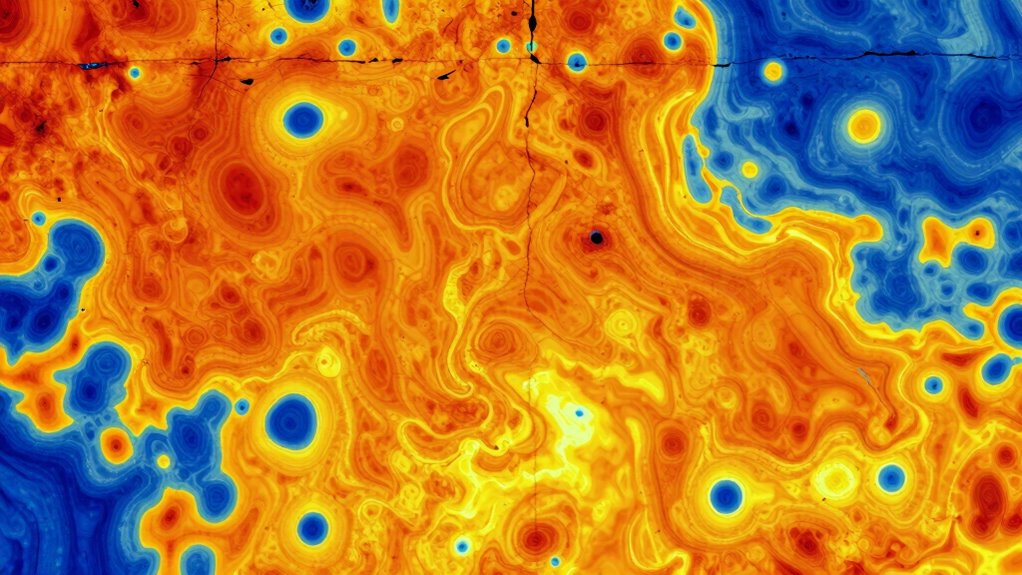

When you’re using thermal cameras for leaks, warm patterns usually mean heat escaping, like insulation issues or hot water leaks, while cool patterns often signal cold spots, such as water leaks or condensation. Recognizing these temperature differences helps you locate problems faster and more accurately. Keep in mind, external factors like sunlight or wind can affect readings, so understanding these patterns will improve your detection skills and help you identify issues more confidently. Want to learn more?

Get garden gear delivered free with Prime
- Fast, free delivery on millions of items
- Prime Video, Amazon Music and more included
- Member-only deals all year
Key Takeaways
- Warm patterns indicate heat escaping or leaks, while cool patterns often signify moisture, cold fluids, or heat loss areas.
- Hot water or steam leaks appear as warmer spots, whereas water leaks or condensation show as cooler areas.
- External factors like sunlight or wind can affect thermal readings, potentially causing false positives.
- Small, localized cool spots suggest minor leaks; widespread anomalies point to larger issues.
- Accurate interpretation depends on understanding environmental influences and thermal pattern characteristics.
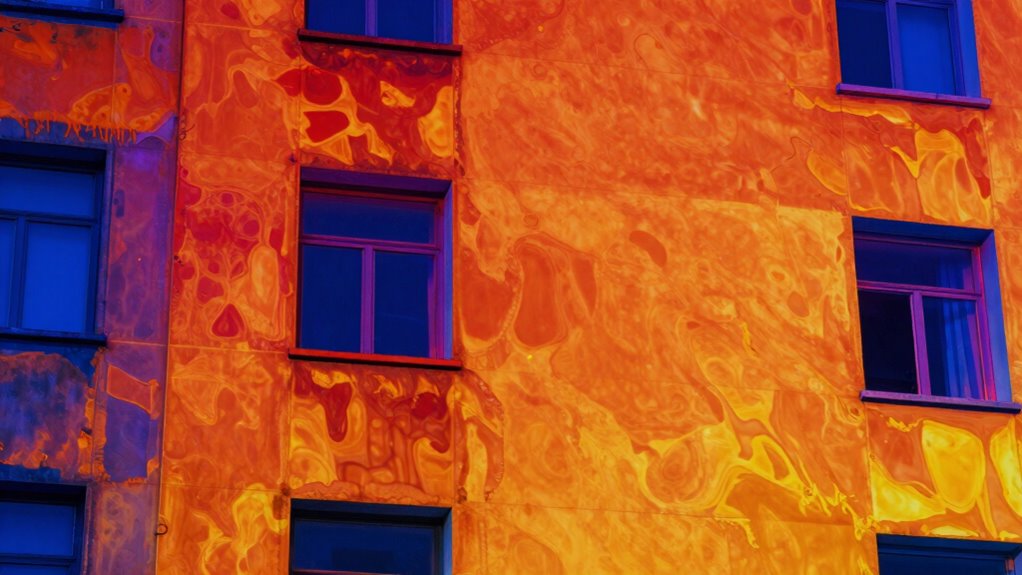
Detecting leaks quickly and accurately is essential for maintaining safety and efficiency, and thermal cameras have become a crucial tool in this process. Thermal imaging allows you to visualize temperature differences on surfaces, making it easier to pinpoint leaks that might otherwise go unnoticed. When you use thermal cameras for leak detection, you can identify problem areas without invasive procedures, saving both time and resources. These cameras detect variations in heat, revealing the presence of moisture, air drafts, or fluid leaks through distinctive temperature patterns. Understanding what warm and cool patterns mean helps you interpret thermal images more effectively.
When you see a warm pattern on a thermal image, it often indicates heat escaping from a building or system, suggesting a possible leak or insulation failure. For example, if a pipe is leaking hot water or steam, the affected area will appear warmer than its surroundings. Conversely, cool patterns typically signal areas where heat is being lost or cold fluids are present. Cold spots might point to water leaks, condensation, or air infiltration. Recognizing these patterns quickly allows you to focus your inspection efforts precisely, reducing guesswork and increasing accuracy.
It’s important to remember that thermal imaging doesn’t directly detect the leak itself; instead, it shows you the temperature anomalies caused by the leak. For instance, a damp wall might appear cooler than the dry areas around it, indicating moisture presence. Similarly, a hot spot on a roof could reveal a leak allowing warm air or water to escape. As you interpret these patterns, consider environmental factors like sunlight, wind, or recent weather, which can influence the thermal image and lead to false positives. Proper calibration and understanding of the environment are key to reliable leak detection. Additionally, understanding how thermal patterns relate to different types of leaks can improve diagnostic accuracy and help prioritize repairs more effectively.
Furthermore, the contrast between warm and cool areas in your thermal images provides valuable clues about the severity and extent of the leak. A small, localized cool spot might mean a minor leak, while a widespread pattern could suggest a more significant issue. By paying close attention to these patterns, you can prioritize repairs efficiently. Thermal cameras empower you to conduct proactive maintenance, preventing costly damage and ensuring systems operate optimally. Being aware of environmental influences is also essential, as external conditions can alter the thermal signatures and impact detection accuracy. Recognizing the effects of external factors like weather conditions can help you interpret thermal images more accurately and avoid misdiagnosis.
As an affiliate, we earn on qualifying purchases.
Frequently Asked Questions
How Accurate Are Thermal Cameras in Detecting Small Leaks?
Thermal cameras can accurately detect small leaks if they have high infrared resolution and are properly calibrated. The infrared resolution determines how detailed the thermal image is, influencing leak detection precision. Regular calibration ensures consistent accuracy, especially when scanning for tiny leaks. While thermal cameras are effective, their precision depends on these factors, so investing in quality equipment and maintaining it with proper calibration frequency boosts your chances of detecting small leaks reliably.
Can Thermal Cameras Identify Leaks Through Walls or Only on Surfaces?
You wonder if thermal cameras can reveal hidden leaks behind walls. The answer is, sometimes—they’re limited by wall penetration. Thermal cameras detect surface temperature differences, so they only see leaks on accessible surfaces. However, if the wall’s material is thin or conductive enough, they can sometimes identify hidden leaks. But don’t rely solely on them—additional methods may be needed to uncover what’s concealed behind those walls.
Are There Specific Temperature Ranges Best Suited for Leak Detection?
Yes, there are specific temperature thresholds and ideal ranges for detecting leaks effectively. Generally, you want your thermal camera to be sensitive within a range of about -20°C to 120°C, depending on your environment. These ideal ranges help you clearly identify abnormal warm or cool patterns caused by leaks. Staying within these temperature thresholds ensures accurate detection, making it easier to pinpoint problem areas without false alarms.
How Does Ambient Temperature Affect Thermal Camera Readings?
Ambient temperature plays a vital role in thermal camera readings, affecting their accuracy by up to 30%. When ambient temperatures are too high or low, it can distort the thermal calibration, making leak detection less reliable. You should always consider the ambient temperature during inspections, calibrate your thermal camera accordingly, and adjust your settings to guarantee accurate detection. This way, you’re more likely to identify leaks precisely, regardless of environmental conditions.
What Maintenance Is Required for Thermal Cameras Used in Leak Detection?
You need to regularly perform calibration procedures to guarantee your thermal camera provides accurate leak detection readings. Keep the camera’s lenses clean and check for any damage. Manage battery life by charging it fully before use and replacing or recharging batteries as needed to avoid interruptions. Additionally, store the camera in a protective case when not in use, and periodically update its firmware for peak performance.
infrared thermal imaging camera for leaks
As an affiliate, we earn on qualifying purchases.
As an affiliate, we earn on qualifying purchases.
Conclusion
Just like a detective uses clues to solve a mystery, your thermal camera reveals hidden leaks through warm and cool patterns. I once saw a homeowner catch a stubborn pipe leak just by spotting a cool patch on their wall—saving hundreds in repairs. Remember, these patterns are your clues, not the whole story. Trust your camera, read the signs carefully, and you’ll uncover hidden issues before they turn into costly problems.
handheld thermal camera for home inspection
As an affiliate, we earn on qualifying purchases.
As an affiliate, we earn on qualifying purchases.
thermal imaging camera for water leaks
As an affiliate, we earn on qualifying purchases.
As an affiliate, we earn on qualifying purchases.
Halloween Picks
halloween
As an affiliate, we earn on qualifying purchases.