
Many gardeners forget to check the underside of leaves, even though pests like aphids, spider mites, and whiteflies often hide there. These pests gather for shelter and can quickly spread if not caught early. The underside also shows early signs of disease, such as spots or mold. Regularly flipping leaves and inspecting this hidden area helps prevent bigger problems. Keep exploring to discover simple tips for perfecting this essential gardening habit.

Get garden gear delivered free with Prime
- Fast, free delivery on millions of items
- Prime Video, Amazon Music and more included
- Member-only deals all year
Key Takeaways
- Many gardeners overlook flipping leaves, missing early pest and disease signs on the underside.
- Regular underside inspections prevent pest buildup and early pathogen spread.
- Pests like aphids and spider mites hide on the leaf’s underside, evading surface checks.
- Early disease symptoms such as spots or mold often appear first beneath leaves.
- Incorporating underside checks into routine care significantly enhances plant health and resilience.
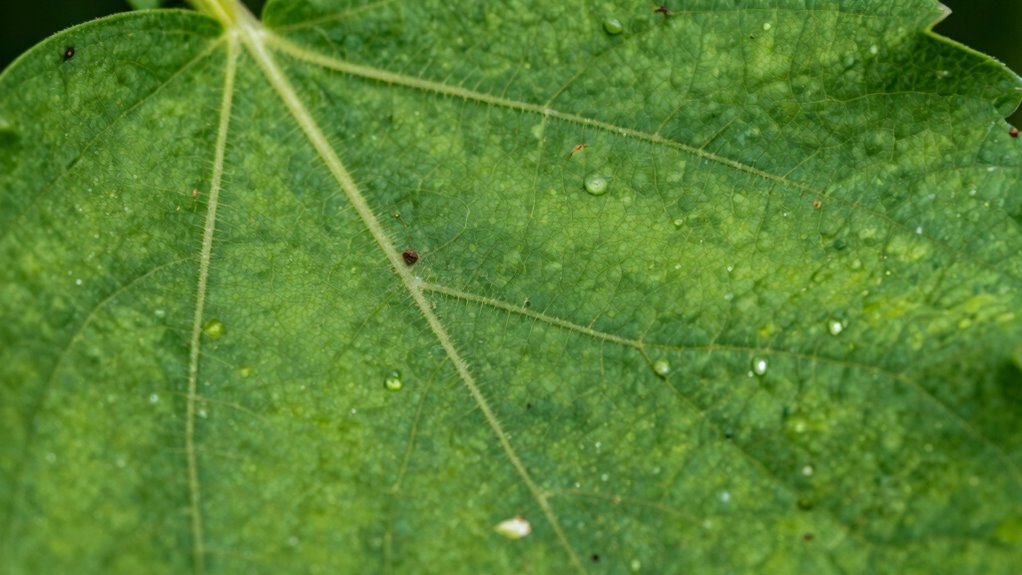
Have you ever inspected the underside of a leaf and wondered what secrets it holds? Many gardeners overlook this small but vital area, missing out on key clues about plant health. The underside of a leaf often hides pests and early signs of disease that, if caught early, can save your plants from serious damage. By paying attention here, you give yourself a better chance to identify pests before they spread and prevent diseases from establishing themselves. This simple step can make all the difference in maintaining healthy, vigorous plants.
Inspecting the underside of leaves reveals pests and early disease signs, helping you protect your plants before damage occurs.
When you flip the leaf over, you might notice tiny insects like aphids, spider mites, or whiteflies. These pests tend to gather on the underside because it provides shelter and protection from natural predators and environmental factors. Recognizing pest identification early allows you to take swift action, whether through manual removal, insecticidal soap, or natural predators. If you ignore these signs, pests can multiply rapidly, causing leaf distortion, stunted growth, or even transmitting plant viruses. Regularly inspecting the underside of your leaves keeps pests in check and helps maintain a balanced garden ecosystem.
Beyond pests, the underside of leaves can reveal early disease symptoms. Look for unusual spots, mold, or a sticky residue—these can be signs of fungal or bacterial infections. Catching these issues early is essential for disease prevention. When you notice a problem on the underside, you can isolate infected plants, prune affected areas, or apply appropriate treatments before the disease spreads further. This proactive approach minimizes the use of chemicals and reduces the risk of larger outbreaks. Plus, it helps you understand which plants may be more susceptible, enabling better cultural practices in future gardening cycles. Developing an understanding of plant health indicators can further improve your ability to detect problems early. Additionally, understanding plant immune responses can help you tailor your care practices to bolster plant resilience.
Paying close attention to this often-overlooked part of your plant can seem small but actually makes a big impact. It’s about developing a habit of regular inspection, turning a quick glance into a detailed check. By doing so, you catch problems early and save yourself from more complex and costly remedies later. This simple, mindful act supports overall plant health and resilience. Remember, many issues start on the underside of leaves—spotting them early is your best defense. So, next time you’re tending to your garden, take a moment to flip those leaves and uncover what’s really going on beneath the surface. Your plants will thank you for it. Recognizing early disease symptoms and pest signs can be crucial for maintaining a thriving garden.
insecticidal soap for garden pests
As an affiliate, we earn on qualifying purchases.
As an affiliate, we earn on qualifying purchases.
Frequently Asked Questions
How Often Should I Inspect the Underside of My Leaves?
You should inspect the underside of your leaves weekly as part of your leaf inspection routine. Regular checks help you catch garden pests early and prevent infestations. Look for tiny insects, eggs, or discoloration that could signal trouble. By making leaf inspection a habit, you boost garden pest prevention and keep your plants healthy. Don’t skip this step, especially during peak growing seasons when pests are most active.
What Tools Are Best for Checking Leaf Undersides?
Honestly, a simple magnifying glass is your best friend for checking leaf undersides. It helps with pest identification and makes leaf inspection techniques easier, especially when pests are tiny or hidden. A handheld magnifier or a jeweler’s loupe works wonders, offering close-up views without fuss. Don’t rely solely on your eyes—these tools reveal the pests lurking beneath, ensuring you catch problems early and keep your plants healthy.
Are All Pests Visible on the Underside of Leaves?
Not all pests are visible on the underside of leaves because many use pest camouflage to blend into the leaf structure. Some pests hide beneath the surface or on top, making them harder to spot during a quick check. To find them, you need to closely examine both sides of the leaf, gently lift the leaf if needed, and look for any signs of damage or tiny creatures that might be hiding out of plain sight.
Can Leaf Undersides Reveal Early Plant Disease Signs?
Yes, leaf undersides can reveal early signs of plant disease, acting like a silent alarm. By inspecting textures—such as roughness or sticky residues—you catch dormant pest stages before they awaken fully. These hidden patterns often signal trouble beneath the surface, alerting you to potential issues. Regularly checking the undersides helps you stay ahead, catching problems early and protecting your plants from more serious damage.
Should I Remove Leaves With Pests on the Underside?
Yes, you should remove leaves with pests on the underside to maintain leaf hygiene and prevent pests from spreading. Removing affected leaves helps reduce pest populations and disease risk. Regularly inspecting and cleaning your plants promotes pest prevention, keeps your garden healthier, and encourages new growth. Don’t hesitate to prune heavily infested leaves, but be sure to dispose of them properly to avoid re-infestation.
leaf inspection tools for plants
As an affiliate, we earn on qualifying purchases.
As an affiliate, we earn on qualifying purchases.
Conclusion
So, next time you’re inspecting your plants, don’t forget to flip the leaf over. The underside often hides pests and problems that can sneak up on you if left unchecked. Are you really willing to risk losing a healthy plant just because you overlooked this small but vital step? Make it a habit to check beneath each leaf—your garden’s health depends on it. Trust me, a quick glance can save you a lot of trouble down the line.
As an affiliate, we earn on qualifying purchases.
As an affiliate, we earn on qualifying purchases.
Halloween Picks
halloween
As an affiliate, we earn on qualifying purchases.