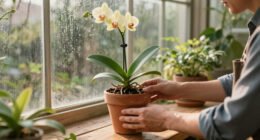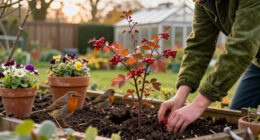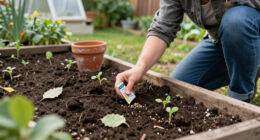

Gypsum helps improve your soil by loosening compacted areas, enhancing drainage and preventing waterlogging, and breaking up dense clay layers. It doesn’t change the soil’s pH, so it’s great if you want to keep acidity levels steady. Gypsum isn’t a nutrient source, so it won’t fix deficiencies or control pests and weeds. If you want to learn more about its benefits and limitations, keep exploring to get the full picture.

Get garden gear delivered free with Prime
- Fast, free delivery on millions of items
- Prime Video, Amazon Music and more included
- Member-only deals all year
Key Takeaways
- Gypsum improves soil structure by loosening compacted soil and breaking up dense clay layers.
- It does not alter soil pH or act as a fertilizer; it neither adds nutrients nor corrects deficiencies.
- Gypsum enhances drainage and reduces waterlogging but does not control pests or weeds.
- It can be used decoratively as a natural mulch or ground cover for aesthetic purposes.
- Gypsum should be combined with other amendments for comprehensive soil health, as it doesn’t fix all soil issues.

Have you ever wondered what gypsum really does in your soil and garden? Many gardeners hear about gypsum as a versatile additive, but understanding its actual benefits can make a big difference in how you use it. Gypsum is primarily known for its soil improvement qualities. It can help loosen compacted soil, making it easier for roots to grow and access nutrients. If your soil is heavy clay, gypsum can break up those dense layers, increasing permeability and drainage. This means less waterlogging and healthier roots, especially during heavy rains or overwatering. It’s often recommended as part of a soil amendment plan for improving soil structure without profoundly altering pH levels. Unlike lime, which raises soil pH, gypsum doesn’t affect acidity, so it’s safe to use on plants that prefer more acidic conditions. While it’s not a cure-all, gypsum can be a valuable tool in creating a healthier, more balanced soil environment.
In addition to soil improvement, gypsum has decorative uses that can enhance your garden’s aesthetic appeal. For example, crushed gypsum can be used as a natural mulch or ground cover, giving flower beds or pathways a clean, white look. Its bright appearance can act as a visual contrast against colorful plants or lush green lawns, making your garden more attractive. Gypsum can also be incorporated into decorative stonework or used as a base for certain crafts, adding texture and a rustic charm. When mixed into soil around ornamental plants, it can subtly improve the appearance of your garden beds by creating a more uniform, neat finish. Its versatility means you can blend function with beauty, using gypsum for both practical soil improvement and decorative accents.
However, it’s important to remember what gypsum doesn’t do. It won’t fix nutrient deficiencies like nitrogen or phosphorus shortages. Nor will it control pests or weeds, or act as a fertilizer. If your soil is lacking in nutrients, you’ll need to supplement with appropriate fertilizers. Gypsum also doesn’t change soil pH radically, so if you need to raise or lower acidity, other amendments are necessary. Knowing its limitations helps you avoid overreliance on gypsum and ensures you use it effectively as part of a balanced garden plan.
As an affiliate, we earn on qualifying purchases.
Frequently Asked Questions
Can Gypsum Be Used as a Fertilizer for All Plants?
Gypsum isn’t suitable as a fertilizer for all plants because it primarily addresses soil acidity and improves soil structure. While it can benefit certain plants by providing calcium and sulfur, it’s not a universal fertilizer. For other plants, consider fertilizer alternatives tailored to their specific nutrient needs. Always test your soil first to determine if gypsum is appropriate, ensuring your plants get the right nutrients for healthy growth.
How Long Does Gypsum Take to Improve Soil Quality?
Gypsum can improve your soil’s quality in as little as a few weeks, but noticeable changes often take 1 to 3 months. Studies show it raises soil pH and enhances water retention, making your plants healthier. The key is consistent application and proper soil testing. By giving it time, you’ll see better drainage, stronger roots, and more vibrant growth, especially in clay-heavy soils.
Is Gypsum Safe for Pets and Children?
Gypsum is generally safe for pets and children when used properly, but you should still exercise caution. Keep children and pets away from freshly applied gypsum to prevent ingestion or inhalation of dust. Store it in a secure location, and follow label instructions carefully. Pet safety and child safety are important, so always supervise their activities around treated areas, and wash hands if you’ve handled gypsum.
Can Gypsum Replace Other Soil Amendments?
Sure, gypsum can replace other soil amendments, but don’t expect it to magically fix soil acidity or provide all your plants need. It’s mainly mineral supplementation, not a one-size-fits-all solution. While it gently loosens compacted soil, it won’t nourish hungry roots or alter pH considerably. So, think of gypsum as a helpful sidekick, not the superhero remedy for every soil problem.
Does Gypsum Control All Types of Soil Erosion?
Gypsum doesn’t control all types of soil erosion, but it can help with soil stabilization and erosion prevention in specific cases. When added to compacted or clay-heavy soils, it improves structure, reducing runoff and surface erosion. However, for severe or water-driven erosion, other methods like mulching or contouring are more effective. Use gypsum as part of a thorough erosion control plan, not as a sole solution.
garden gypsum for soil improvement
As an affiliate, we earn on qualifying purchases.
As an affiliate, we earn on qualifying purchases.
Conclusion
So, next time you hear about gypsum curing all your garden woes, remember—it’s not a miracle worker. It won’t turn your brown thumb into a lush jungle overnight, nor will it fix every soil problem under the sun. Think of it more as a helpful sidekick, not the hero. Use it wisely, don’t expect miracles, and maybe, just maybe, you’ll keep your plants from plotting their escape. Because, in the end, gypsum’s just a tool, not a gardening savior.
As an affiliate, we earn on qualifying purchases.
As an affiliate, we earn on qualifying purchases.
Halloween Picks
halloween
As an affiliate, we earn on qualifying purchases.