Deep tilling beyond what’s necessary can harm your soil health by disrupting its natural structure, damaging beneficial microbes, and increasing the risk of compaction and erosion. Instead of always digging deeper, focus on evaluating your soil’s needs, such as compaction or organic matter levels. Properly managing tilling depth helps preserve soil vitality and promotes healthy growth. Keep exploring to discover how to determine the right tilling practices for your garden’s long-term health.
Key Takeaways
- Deep tilling can disrupt soil microbes and natural layers, harming soil health rather than improving it.
- Excessive tilling may cause compaction, erosion, and loss of organic matter, negatively affecting soil vitality.
- Proper tilling depth depends on soil conditions, crop needs, and avoiding overly wet or compacted areas.
- Shallow tillage preserves soil structure, promotes microbial activity, and maintains long-term soil fertility.
- There is no universal “deep” tilling; over-tilling beyond necessary depths can diminish soil health.
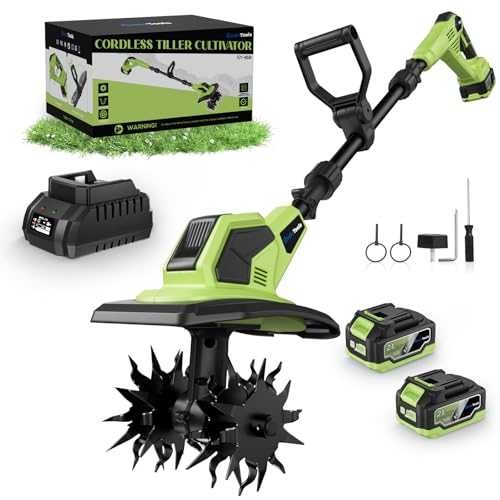
EnduTools Cordless Tiller Cultivator – 21V 360RPM Electric Garden Tiller with 2 * 4.0Ah Batteries & Fast Charger, 9In Tilling Width and 6.7In Depth, Tiller for Gardening, Lawn, Soil
HIGH-PERFORMANCE MOTOR: Equipped with a high-performance motor and 4 durable steel tines, the cordless tiller cultivator delivers strong…
As an affiliate, we earn on qualifying purchases.
As an affiliate, we earn on qualifying purchases.
What Is Tilling, and How Does Soil Structure Affect It?
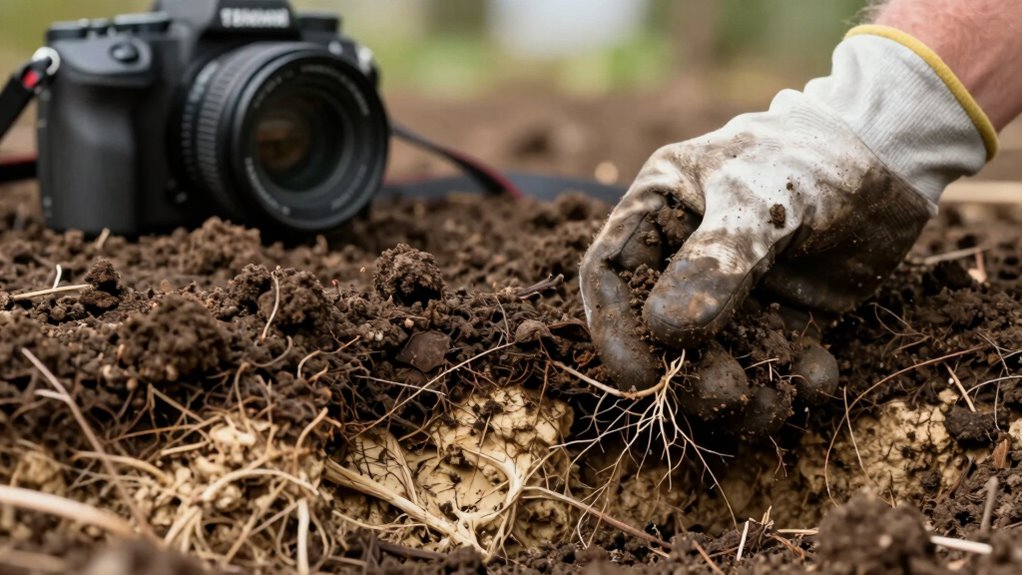
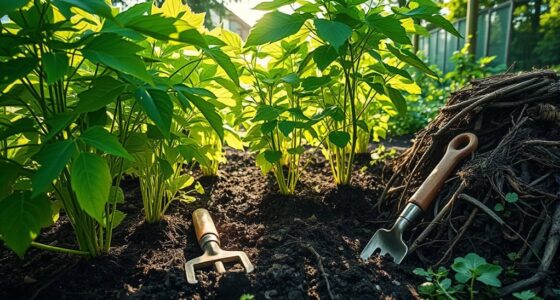
Tilling is the process of turning over and breaking up soil to prepare it for planting. When done properly, it improves soil aeration, allowing air, water, and nutrients to reach plant roots more effectively. Good soil structure is essential because it creates the right balance of pore space and compaction, which influences root penetration. If the soil is too compacted, roots struggle to grow downward, limiting access to nutrients and water. Conversely, overly disturbed soil can lose its natural structure, leading to poor aeration and drainage. By understanding how soil structure affects tilling, you can avoid damaging the soil’s natural composition and promote healthier root development. Maintaining a balanced soil structure is crucial for sustainable gardening practices. Proper tilling supports a thriving, productive garden while safeguarding soil health over time.

Walensee Lawn Aerator Spike Metal Manual Dethatching Soil Aerating Lawn with 15 Iron Spikes, Pre-Assembled Grass Plug Aerator Tools for Yard, Lawn Aeration, Garden Tool, Revives Lawn Health, Patented
EFFECTIVE LAWN REVIVAL TOOL:Walensee manual lawn aerator helps you loosen soil and thatch to let air, water, and…
As an affiliate, we earn on qualifying purchases.
As an affiliate, we earn on qualifying purchases.
Common Myths About Tilling Depth and Soil Health Debunked
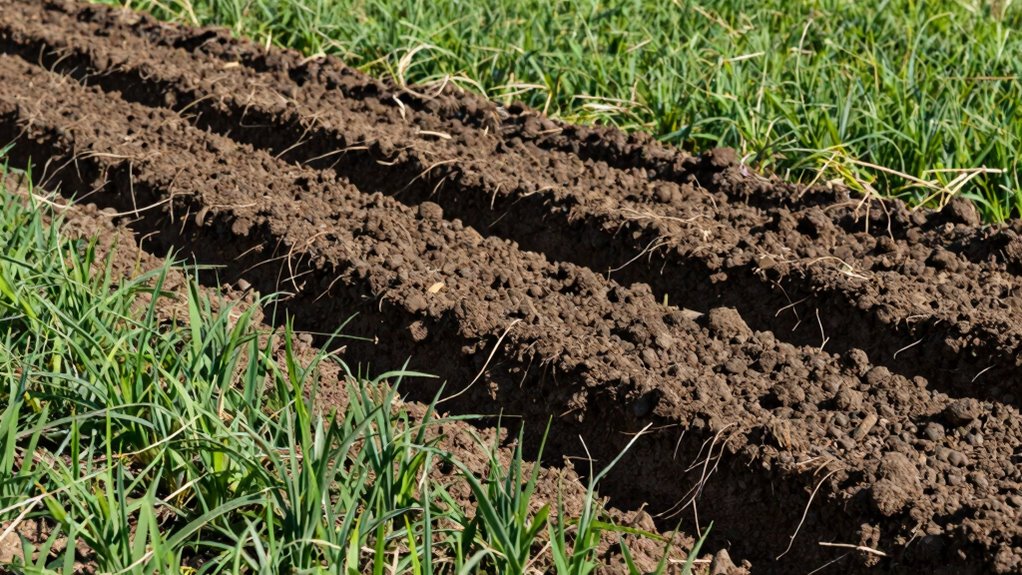
Many gardeners believe that deeper tilling always leads to healthier soil, but this is a common misconception.
In reality, excessive tilling can harm soil aeration and deplete organic matter. Here are some myths debunked:
- Deeper tilling always improves soil health – It can disrupt soil layers and harm beneficial microbes.
- Tilling to a certain depth is universally beneficial – Soil needs vary; over-tilling can cause compaction or erosion.
- More organic matter is better when tilled deeply – Deep tilling can break down organic matter faster, reducing soil fertility.
- Tilling aerates soil effectively at any depth – Proper soil aeration depends on appropriate tilling depth and technique, not just depth alone.
Understanding these myths helps you avoid practices that diminish soil health, preserving its natural structure and essential vitality.

Rapitest® Soil Microbial Test Kit. Improve Soil Health and Activity. for use Along with Soil Conditioners/Activators/Nutrients. Designed, Engineered and Assembled in the USA.
Learn: Find out and understand whether your soil is truly healthy, active and self-sustaining for optimal growing
As an affiliate, we earn on qualifying purchases.
As an affiliate, we earn on qualifying purchases.
How Does Tilling Impact Soil Ecosystems and Microbial Life?
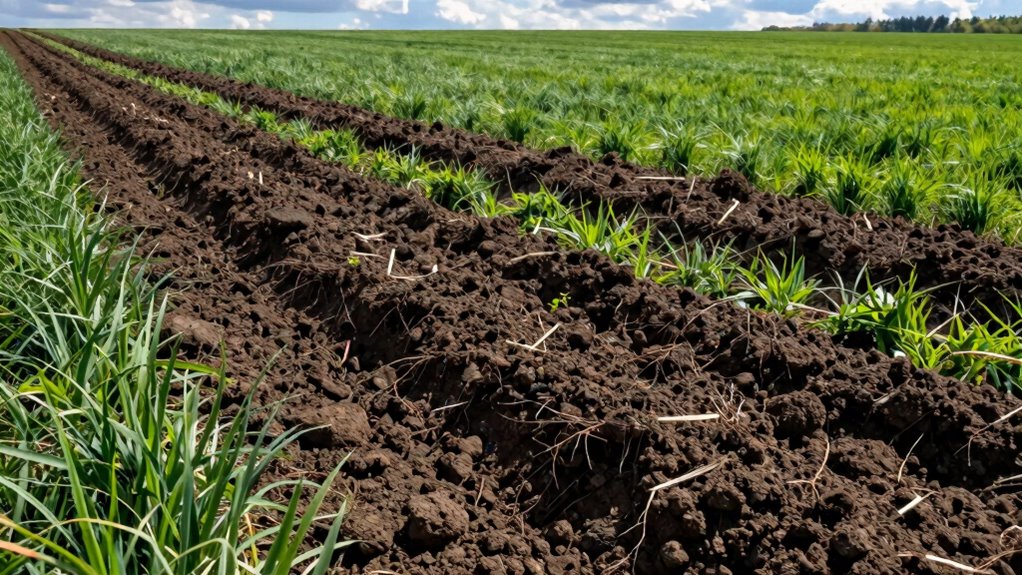
Tilling can disturb the delicate habitats where soil microbes live, affecting their ability to thrive. When you break up the soil, you may reduce the microbial diversity that supports healthy soil processes. As a result, soil fertility can decline, making it harder for plants to grow strong.
Disruption of Microbial Habitats
When soil is disturbed through tilling, the delicate microbial habitats that sustain soil health are often disrupted. This disturbance can considerably reduce soil aeration, which microbes rely on for respiration. Tilling also fragments microbial communities, decreasing microbial diversity essential for resilience and nutrient cycling. Here are four key impacts:
- Disrupts microbial networks, limiting beneficial interactions.
- Exposes microbes to oxygen fluctuations, harming sensitive species.
- Breaks up soil aggregates, destroying microhabitats.
- Accelerates organic matter decomposition, releasing nutrients too quickly.
As a result, the soil ecosystem becomes less stable, hindering microbial activity crucial for maintaining healthy, fertile soil. Tilling, especially deep or frequent, can undermine these microscopic communities that support overall soil vitality.
Effects on Soil Fertility
By disturbing the soil through tilling, you can substantially diminish its fertility and disrupt the delicate balance of microbial life that sustains plant growth. Tilling interferes with soil aeration, which is essential for microbial activity that breaks down organic matter and releases crucial nutrients. When the soil is aerated properly, nutrient cycling occurs efficiently, providing plants with the nutrients they need. However, deep or frequent tilling can break microbial networks, reducing their ability to process organic material and cycle nutrients effectively. This decline in microbial diversity and activity leads to poorer soil structure and decreased nutrient availability. Over time, these effects weaken soil fertility, making it harder for plants to thrive and increasing the need for chemical fertilizers. Soil microbial networks play a vital role in maintaining overall soil health and resilience against erosion.

Farmer’s Secret Soil Revitalizer (32oz) – Organic (OMRI Listed) Dirt Health Booster – Liquid Compost Soil Amendment – Activated Humic Acid – Great for Fall/Spring Application
Feed the soil not the plants – stimulate microbial activity in your soil and boost probability of success…
As an affiliate, we earn on qualifying purchases.
As an affiliate, we earn on qualifying purchases.
What’s the Science Behind Soil Compaction and How Deep Should You Till?
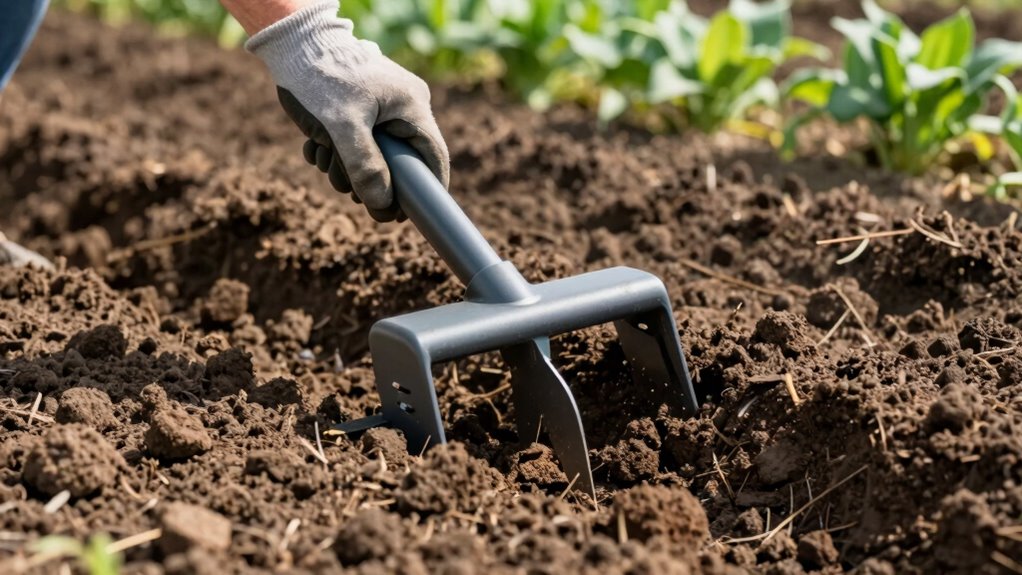
Soil compaction occurs when soil particles are pressed together, reducing pore space and restricting air, water, and root movement. This tight packing hampers soil aeration, making it harder for roots to access oxygen and nutrients. It also increases the risk of erosion, as compacted soil cannot absorb water effectively, leading to runoff. To prevent these issues, consider these points:
- Avoid deep tillage when soil is wet to prevent further compaction.
- Use shallow tilling to break up surface layers without disturbing deeper soil.
- Incorporate organic matter to improve soil structure and porosity.
- Limit tillage depth to maintain natural soil layers and prevent erosion.
- Utilizing essential oils like eucalyptus or lavender can help improve soil health indirectly by promoting beneficial microbial activity.
Understanding the science helps you till smarter, promoting healthy roots and resilient soil.
Why Shallow Tillage Can Be Better Than Deep Tilling for Your Garden
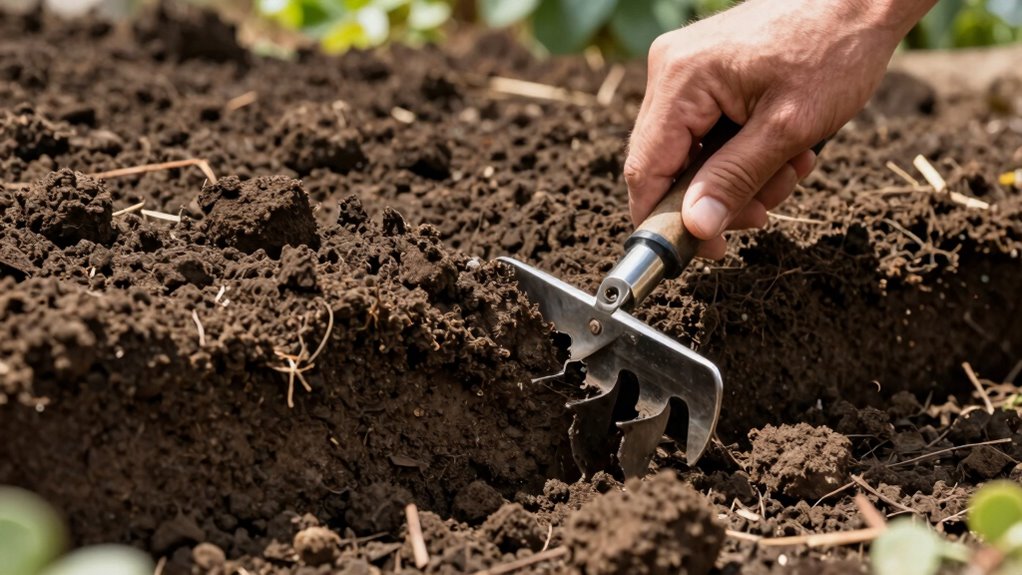
Shallow tillage often provides better results for your garden because it minimizes disruption to the soil’s natural structure. By avoiding deep digging, you preserve soil aeration, allowing air to reach plant roots more effectively. This encourages beneficial microbial activity and improves overall soil health. Additionally, shallow tillage promotes better nutrient distribution, preventing nutrients from being pushed deeper where plants can’t access them. Deep tilling can break down soil aggregates and disturb the natural layering, which may lead to increased erosion and compaction over time. When you till shallow, you maintain the soil’s natural balance, supporting healthy root growth and reducing the need for excessive amendments. Moreover, soil structure plays a crucial role in maintaining long-term health and productivity of your garden soil. Using proper tillage methods can help prevent soil erosion and maintain beneficial soil organisms. Proper soil management techniques further enhance soil vitality and sustainability. Being mindful of soil compaction is essential for ensuring proper root growth and water infiltration. Maintaining a balanced approach to tillage can also help mitigate soil degradation and promote a resilient garden ecosystem. Overall, shallow tillage helps keep your soil alive, well-aerated, and nutrient-rich, fostering a thriving garden.
How Can You Tell If Your Soil Is Over-Tilled or Damaged?
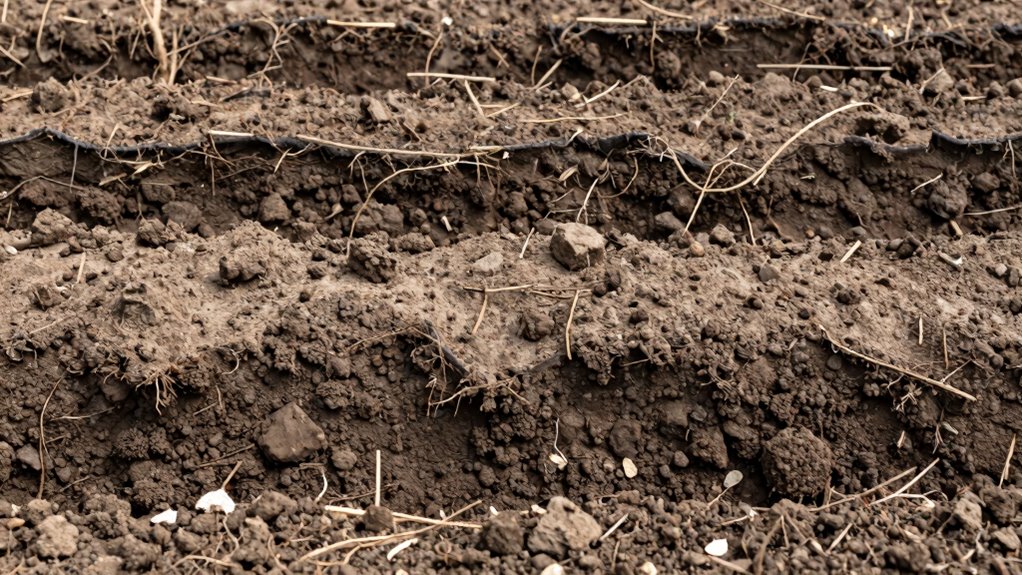
If your garden shows signs of poor plant growth or frequent soil problems, it might be a sign that your soil has been over-tilled or damaged. Look for these indicators:
- Soil feels loose or crumbly, reducing soil aeration and causing roots to struggle.
- Water drains too quickly or pools, disrupting nutrient cycling.
- Plants show stunted growth or yellowing, indicating nutrient deficiencies.
- Soil compacts easily after rain or watering, signaling loss of structure.
- Excessive tilling can break down soil aggregates, leading to a loss of natural structure. Repeated disturbance can also diminish the soil’s ability to support healthy microbial life, essential for maintaining soil vitality. Additionally, continual tilling can disturb the soil microbial community, which plays a crucial role in nutrient availability and plant health. Overly disturbed soil often loses its natural structure, leading to poor aeration and disrupted nutrient cycling. Recognizing these issues early can help you implement practices that promote soil recovery and restore soil health over time. These signs suggest you need to give your soil time to recover and avoid further deep tilling, which can exacerbate the damage.
How to Determine the Right Tilling Depth for Your Soil and Crops

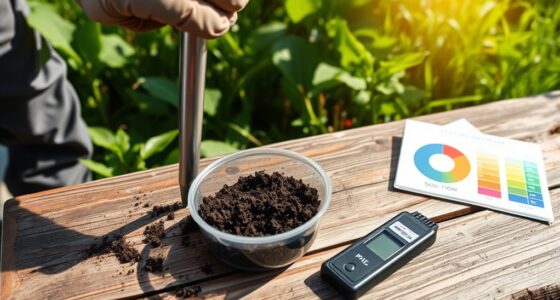
Determining the right tillage depth is essential for promoting healthy plant growth and maintaining soil structure. To do this, start by evaluating soil compaction; if the soil feels hard or dense at shallow depths, you may need to till deeper, but avoid going too deep to prevent disrupting organic matter. Check organic matter distribution by examining soil layers—healthy soil contains a good mix of organic material near the surface. Use a soil probe or auger to test different depths, noting where compaction decreases and organic matter remains intact. Generally, till no deeper than necessary to loosen compacted layers while preserving organic matter, which supports nutrient cycling and soil health. Adjust tilling depth based on crop requirements and soil conditions to optimize growth without damaging the soil ecosystem. Additionally, understanding sustainable tillage practices can help maintain long-term soil productivity and prevent erosion. Incorporating soil testing can provide more precise information on soil health and appropriate tillage depths for specific fields. Being aware of soil structure and its variations across fields can further guide effective tillage practices. Recognizing soil compaction patterns helps in determining where deeper tillage is truly necessary to improve aeration and root penetration. Moreover, understanding soil moisture levels can influence how deeply you should till to avoid compaction caused by overly wet soil.
Do Different Crops Need Different Tilling Approaches?
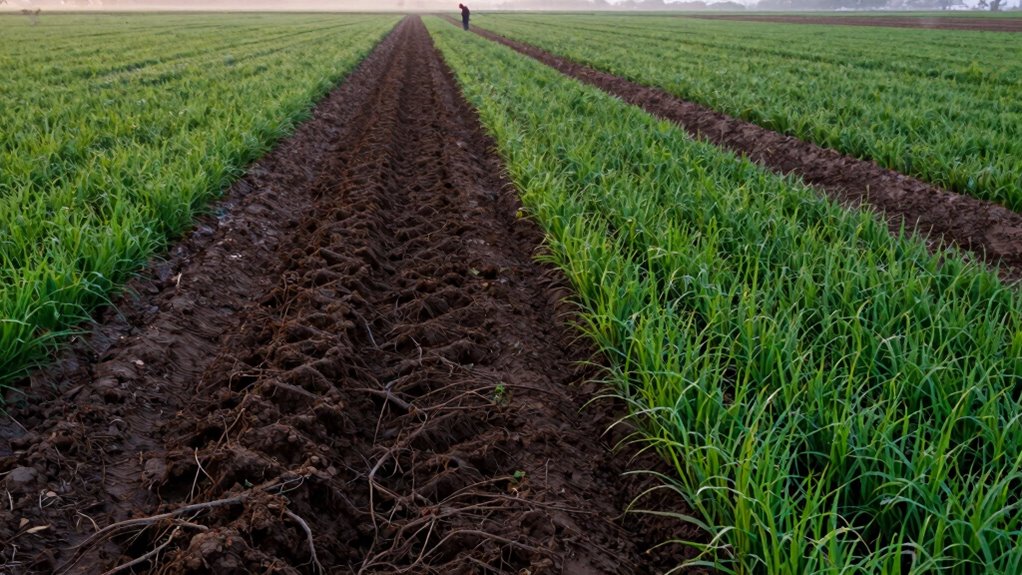
Different crops have specific tilling requirements that can substantially impact their growth and soil health. Choosing the right approach depends on factors like root depth and nutrient needs.
Selecting proper tilling methods based on crop needs preserves soil health and boosts productivity.
- For shallow-rooted crops, minimal tillage preserves soil structure and moisture.
- Deep-rooted crops may require deeper tilling to break up compacted layers.
- Crop rotation can help reduce pest buildup and improve soil fertility, influencing tillage depth.
- Selecting appropriate tillage equipment guarantees you don’t disturb beneficial microbes or over-expose soil, maintaining health.
Different crops demand tailored tilling practices to optimize yields and sustain soil quality. Adjusting your approach based on crop type and rotation schedule is key to effective soil management.
Tips for Maintaining Healthy Soil While Tilling

Maintaining soil health during tilling is essential for long-term crop productivity and sustainability. To do this, focus on improving soil aeration and preserving organic matter. Avoid excessive tilling, which can disrupt soil structure and deplete nutrients. Instead, use minimal tillage methods, such as shallow tilling, to promote healthy soil life. Incorporate cover crops and organic amendments to boost organic matter and enhance soil fertility. Regularly test your soil to adjust your practices accordingly. Emphasizing soil structure and organic matter retention can significantly improve overall soil health and resilience.
Frequently Asked Questions
What Are the Signs of Soil Over-Tilling?
You’ll notice signs of soil over-tilling if your soil shows increased compaction, making it hard for roots to grow, or if nutrient levels drop rapidly, leading to poor plant health. Over-tilling can disturb soil structure and deplete essential nutrients, causing plants to struggle. If you see a crust forming on the surface or reduced crop yields, it’s a clear sign you’re overdoing it and need to let your soil recover.
How Often Should I Till My Garden Soil?
You should till your garden soil sparingly, typically once a season or when preparing new beds. Coincidentally, adding compost and practicing crop rotation can reduce the need for frequent tilling, helping maintain soil structure and health. Over-tilling disrupts soil organisms and leads to erosion. Focus on minimal tilling, incorporate compost regularly, and rotate crops to keep your soil healthy without excessive disturbance.
Can Deep Tilling Cause Long-Term Soil Damage?
Yes, deep tilling can cause long-term soil damage. It may lead to soil compaction below the tilled layer, making it harder for roots to grow. Additionally, deep tilling disrupts nutrients in the soil, potentially depleting essential minerals and disrupting the natural soil structure. This can reduce soil fertility over time, harming plant health and productivity. Use tilling cautiously, focusing on shallow methods to protect your soil’s long-term health.
What Are Alternative Methods to Tilling for Soil Aeration?
You can improve soil aeration without tilling by using cover cropping, which breaks up compacted soil naturally, and applying compost teas that boost microbial activity. These methods enhance soil structure, increase oxygen flow, and promote healthy roots. Don’t worry about sacrificing productivity; these eco-friendly techniques support long-term soil health, making your garden more resilient and productive over time without the risks associated with deep tilling.
How Does Tilling Depth Vary With Different Soil Types?
Tilling depth varies with soil types; for example, sandy soils require shallower tillage to prevent compaction, while clay soils may need deeper tillage to improve aeration and moisture retention. You should adjust your tilling depth based on soil texture and compaction levels, ensuring you don’t disturb the structure too much. Proper depth helps maintain soil health, enhances moisture retention, and prevents issues like erosion or excessive compaction.
Conclusion
Remember, deep tilling isn’t always better. While some believe it loosens soil and boosts growth, science shows it can harm microbes and cause compaction. Instead, focus on shallow, thoughtful tilling tailored to your crops and soil conditions. By understanding soil health myths and listening to your land, you can avoid damage and promote thriving, resilient gardens. Keep experimenting and stay curious—your soil will thank you!