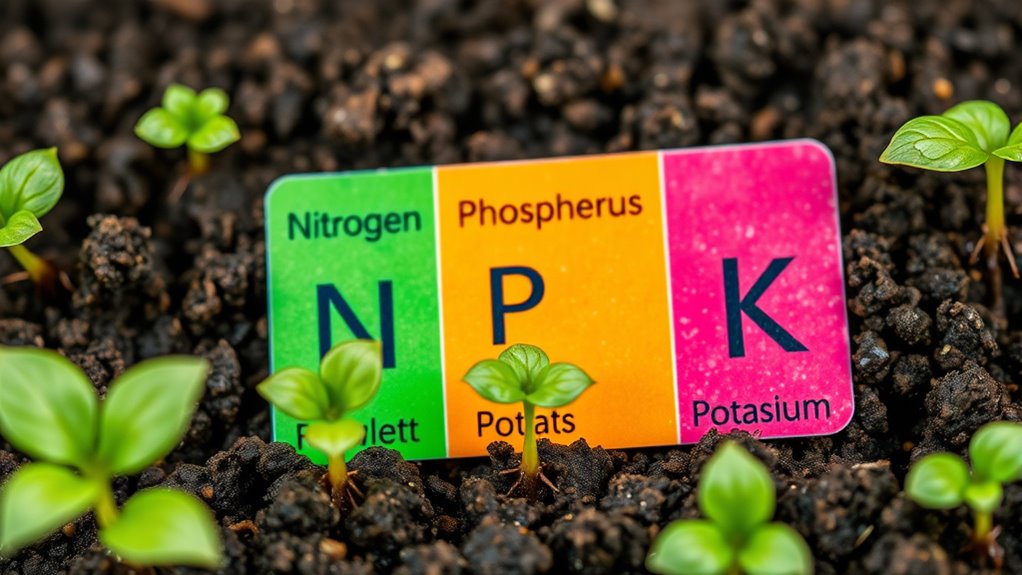
Understanding N-P-K ratios in fertilizers helps you give your plants what they need to thrive. N stands for nitrogen, which promotes lush, green leaves; P is phosphorus, essential for healthy roots and flowers; K represents potassium, supporting overall plant strength and water regulation. Choosing the right balance depends on your plant type and growth stage. By mastering these basics, you’ll be better equipped to nurture healthy, resilient plants—more tips await if you keep exploring.

Get garden gear delivered free with Prime
- Fast, free delivery on millions of items
- Prime Video, Amazon Music and more included
- Member-only deals all year
Key Takeaways
- N-P-K represents the three primary nutrients in fertilizers: nitrogen (N), phosphorus (P), and potassium (K).
- Nitrogen promotes leafy, green growth, while phosphorus supports roots and flowering, and potassium enhances overall plant resilience.
- Understanding your plants’ specific needs helps determine the appropriate N-P-K ratio for optimal growth.
- Organic fertilizers like compost, bone meal, and fish emulsion provide these nutrients naturally and gradually.
- Regular observation and soil testing guide proper fertilization adjustments to ensure healthy, balanced plant development.
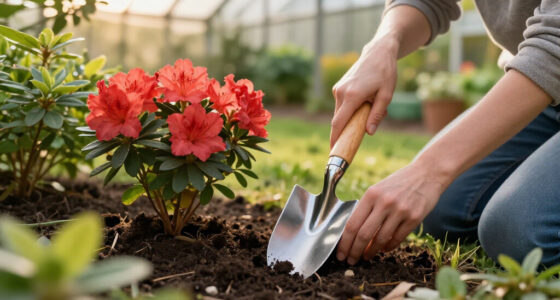
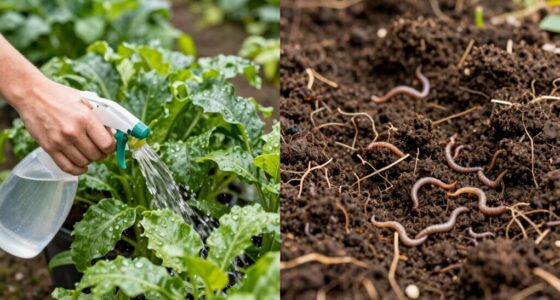
Have you ever wondered how plants grow lush and healthy? The secret often lies in proper soil preparation and choosing the right nutrients. When you’re getting your garden ready, start with soil preparation. Healthy soil acts as the foundation for vibrant plants, so it’s essential to assess its current condition before planting. You can test your soil to determine pH levels and nutrient content, which helps you understand what amendments are needed. Incorporating organic alternatives such as compost, aged manure, or peat moss enriches the soil naturally, improving its structure and fertility without relying on synthetic fertilizers. Organic options are environmentally friendly, boost beneficial microbes, and promote sustainable gardening practices, making them ideal for both beginners and seasoned gardeners.
Once your soil is well-prepared, you can focus on supplying the right nutrients to your plants. Understanding the essential elements—particularly nitrogen (N), phosphorus (P), and potassium (K)—is key. These are known as macronutrients because plants require them in large amounts. Nitrogen encourages lush, green foliage, making it indispensable for leafy vegetables and grasses. Phosphorus supports root development and flowering, essential for fruiting plants and bulbs. Potassium helps regulate water uptake and strengthens overall plant health, aiding resilience against pests and diseases. To optimize growth, choose fertilizers that balance these nutrients according to your plants’ specific needs.
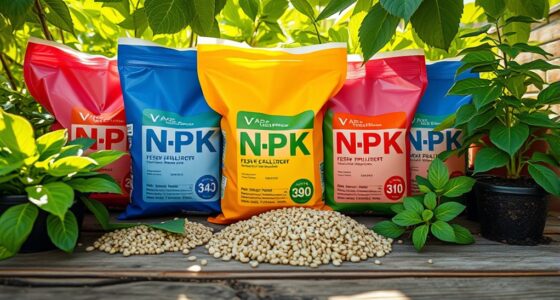
You don’t have to rely solely on chemical fertilizers; many organic alternatives supply these nutrients effectively. Organic fertilizers like bone meal, blood meal, or fish emulsion provide a natural source of phosphorus and nitrogen. Compost teas and seaweed extracts also serve as gentle, organic nutrient boosters, enriching the soil over time. These options release nutrients slowly, reducing the risk of over-fertilization and runoff that can harm the environment. When applying any fertilizer, follow recommended dosages and timing to avoid stressing your plants. Over-fertilizing can lead to nutrient imbalances, weak growth, or even plant damage.
Monitoring your plants regularly helps you gauge their response to fertilization. Look for signs of nutrient deficiencies, such as pale leaves, poor flowering, or stunted growth, and adjust your soil amendments accordingly. Remember, healthy soil is the foundation for healthy plants, and organic alternatives are a sustainable way to provide the nutrients they need. By preparing your soil properly and choosing organic fertilizers rich in N-P-K, you set your garden up for success, ensuring your plants grow lush, vibrant, and resilient. Additionally, understanding how market volatility affects precious metals can help you make more informed investment decisions if you choose to diversify your garden investments or related assets.
organic fertilizer for vegetables
As an affiliate, we earn on qualifying purchases.
As an affiliate, we earn on qualifying purchases.
Frequently Asked Questions
How Do I Choose the Right Fertilizer for My Specific Plants?
To choose the right fertilizer, start by testing your soil to identify nutrient levels. Consider your plant type and its specific needs, whether it’s leafy greens, flowering plants, or shrubs. Look for fertilizers with N-P-K ratios suited to those needs and make certain they’re compatible with your soil’s conditions. Always follow application instructions, and adjust based on plant response to keep your garden healthy and thriving.
Can Over-Fertilizing Harm My Plants or the Environment?
Think of your plants like delicate dancers; over-fertilizing is like giving them too much caffeine—it can cause chaos. Yes, overdoing it can harm your plants through plant toxicity, leading to stunted growth or death. Plus, the environmental impact is significant, as excess nutrients wash into water sources, polluting ecosystems. Always follow recommended amounts to keep your plants healthy and the environment safe.
How Often Should I Fertilize Different Types of Plants?
You should fertilize different plants based on their specific needs, considering their watering schedule and soil pH. For example, vegetables often require weekly feeding, while houseplants may only need monthly fertilization. Always check soil pH first; some plants thrive in acidic or alkaline conditions, influencing how often you should fertilize. Adjust your routine accordingly to promote healthy growth without overdoing it, and monitor your plants for signs of nutrient deficiencies.
Are Organic Fertilizers as Effective as Synthetic Ones?
You might wonder if organic fertilizers are as effective as synthetic ones. Organic vs. synthetic fertilizers both boost plant growth, but organic options often improve soil health and have a lower environmental impact. While synthetic fertilizers provide quick nutrition, organic ones release nutrients slowly and sustainably. Ultimately, choosing depends on your goals, but organic fertilizers support eco-friendliness and long-term soil robustness, making them a great choice for environmentally conscious gardening.
What Are the Signs of Nutrient Deficiencies in Plants?
Imagine your plants as vibrant paintings slowly losing their color. You notice leaf discoloration, turning yellow or pale, signaling a nutrient deficiency. Stunted growth, with plants struggling to reach their full height, also hints at missing nutrients. These signs tell you your plants need specific fertilizers. Keep an eye on their leaves and growth patterns; early intervention helps restore their health and keeps your garden thriving.
N-P-K fertilizer for flowering plants
As an affiliate, we earn on qualifying purchases.
As an affiliate, we earn on qualifying purchases.
Conclusion
Now that you know the basics of N-P-K, you’re better equipped to boost your plants’ beauty and bounty. Remember, understanding your plants’ needs nurtures nature’s natural nectar. Be mindful, and don’t merely mimic mayhem; master the method of managing macronutrients. With careful consideration and consistent care, your garden will grow glorious, gratifying greenery. So, stay savvy, stay sensitive, and let your garden flourish with focused fertilizer fundamentals.
As an affiliate, we earn on qualifying purchases.
As an affiliate, we earn on qualifying purchases.
Fall yard work Picks
leaf blowers
As an affiliate, we earn on qualifying purchases.