TL;DR

Get garden gear delivered free with Prime
- Fast, free delivery on millions of items
- Prime Video, Amazon Music and more included
- Member-only deals all year
Grow Organic’s guide explains that sphagnum peat moss can help retain moisture in seed-starting and container mixes, but it provides few nutrients and is usually acidic. It advises gardeners to test soil, choose peat for a specific purpose and weigh peatland impacts against alternatives such as coir and compost.
Grow Organic’s guide to sphagnum peat moss explains how the material can hold moisture in seed-starting and container mixes, while warning that it is not a complete fertilizer or a universal fix for soil problems. The advice matters to home gardeners choosing amendments because peat’s acidity, tendency to resist rewetting when dry and environmental costs can affect both plant care and material choice.
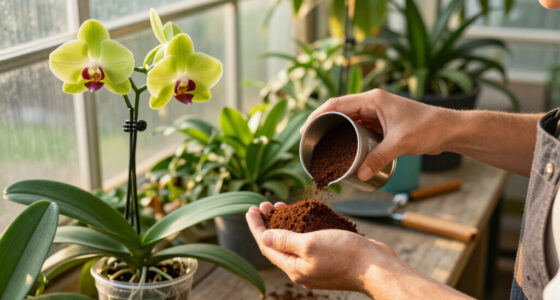
Peat forms as plant remains accumulate in wet, low-oxygen places and decay slowly; deposits can develop over thousands of years. The guide says commercial garden peat is often harvested from bogs in cool parts of the Northern Hemisphere and consists mainly of partly decayed sphagnum plants. Sold dried and often compressed, it loosens into a brown material when unpacked.
In a growing mix, peat can improve water retention, particularly in sandy soils or containers. Combined with coarse ingredients, it can help balance moisture and air space. But peat holds some nutrients rather than supplying enough for plant growth, so gardeners still need a feeding plan. The source also cautions that an overly wet mix can limit oxygen around roots.
The guide describes unamended sphagnum peat as acidic, commonly around pH 3.8 to 4.5. Finished potting mixes may include lime to adjust acidity for intended plants, and the final pH depends on the ingredients, source soil and irrigation water. It recommends testing before making changes rather than adding peat as a precise remedy for alkaline soil.
Choosing Amendments for Healthy Roots
For gardeners, the practical point is to match an amendment to a specific problem. Peat may suit a container blend that dries too quickly, but adding it to a mix that already retains too much water can worsen conditions for roots. The guide recommends checking existing potting-mix ingredients before adding more, since some packaged mixes already contain peat.
Moisture, drainage, acidity and nutrients work together. A material that improves water retention does not fix standing water, poor grading or compacted subsoil. Nor does it replace fertilizer. Testing soil and trialing a small batch can help gardeners avoid costly, poorly suited changes.
The choice also has an environmental dimension: peatlands store carbon and provide specialized habitat, while extraction disturbs those systems. The source says peat forms too slowly to count as renewable on a human timescale. That makes alternatives worth comparing, while recognizing that substitutes also have tradeoffs.
As an affiliate, we earn on qualifying purchases.
Peat, Moss and Compost Differ
The guide distinguishes sphagnum peat moss from sphagnum moss. Peat is partly decayed plant material, while sphagnum moss refers to the plants themselves. Suppliers may sell living moss or dried, long fibers; dried fibers are not necessarily alive and can be used in some orchid mixes and air-layering projects. The products behave differently and are not always interchangeable.
Peat and compost both contain organic matter, but they are made differently. Compost results from managed decay of materials such as leaves and plant scraps; its physical properties and nutrient content differ from peat. Grow Organic says mature compost is often a more useful choice for improving ordinary garden beds.
For seed trays and containers, the guide suggests moistening dry peat gradually, breaking apart clumps and testing a small pot before preparing a large batch. Very dry peat can repel water and leave dry pockets. Perlite can add air space, but the finished mix should be checked for even wetting and drainage. The source advises dampening dusty material and working with ventilation.
“Peat moss is not a complete plant food or a cure for every soil problem.”
— Grow Organic guide
sphagnum peat moss garden amendments
As an affiliate, we earn on qualifying purchases.
As an affiliate, we earn on qualifying purchases.
Amount Depends on the Growing Mix
The source gives no single recommended peat-to-soil ratio, and it does not provide a universal recipe for beds or containers. Suitable amounts depend on the existing soil or mix, the plants’ moisture and pH needs, and how the finished blend drains. The guide recommends testing soil and following local recommendations for pH changes.
It also does not quantify the environmental effects of particular products or compare the full impacts of peat with coir, composted bark or wood fiber. Those alternatives can differ in quality, salt content, processing and transport. Product composition and the best choice for a given crop remain specific to the material and growing conditions.
As an affiliate, we earn on qualifying purchases.
Test Before Making a Larger Batch
Gardeners following the guide can start by identifying the problem they want to address, checking the ingredients in existing potting soil and testing garden soil where relevant. For container use, prepare and water a small sample first, then check whether it wets evenly and excess water exits through drainage holes.
For pH adjustments, the source advises relying on soil tests and local recommendations rather than repeated additions of peat. Gardeners comparing alternatives should consider crop needs and the properties of each product. The guide sets out no upcoming event or further update; its practical next step is to evaluate the complete growing mix rather than relying on one ingredient.
As an affiliate, we earn on qualifying purchases.
Key Questions
What does peat moss do in potting soil?
Peat moss retains moisture and can be part of a container or seed-starting blend. It does not provide a complete supply of plant nutrients, and its effect on drainage depends on the other ingredients.
Is peat moss the same as sphagnum moss?
No. Sphagnum peat is partly decayed plant material, while sphagnum moss refers to the moss plants or their fibers. Dried long-fiber moss and loose peat have different uses and are not always interchangeable.
How much peat moss should I add?
The guide gives no universal amount. The right proportion depends on the existing mix, the plants and the purpose. Test garden soil where appropriate and try a small container batch before mixing more.
What are alternatives to peat moss?
The source lists coconut coir, mature compost, composted bark and wood fiber as options to compare. Their quality, salt content, processing and transport can vary, so none is automatically the right choice for every plant or mix.
Source: rss
Fall Picks
fall essentials
As an affiliate, we earn on qualifying purchases.