You can tell fruit drop is caused by pests when you notice signs like small holes, distorted fruit, webbing, tiny insects, or sticky residues. If the fruit falls without these signs, environmental factors like weather, drought, or cultural practices are likely to blame. Monitoring your orchard closely helps you identify whether pests are involved. For a clearer picture and ways to address the issue, continue exploring how to differentiate pest-related fruit drop from other causes.

Get garden gear delivered free — and shop member deals
- Fast, free delivery on millions of items
- Access to Prime Big Deal Days deals on October 6–7
- Prime Video, Amazon Music and more included
Key Takeaways
- Presence of small holes, webbing, or tiny insects on fruit indicates pest-related drop.
- Fruit dropping without pest signs suggests environmental or cultural causes like weather or watering issues.
- Visible pest activity, such as aphids or larvae, confirms pest involvement in fruit drop.
- Damage from storms, drought, or improper pruning typically occurs without pest evidence.
- Monitoring for sticky residues, webbing, or insect presence helps differentiate pest-related from non-pest fruit drop.
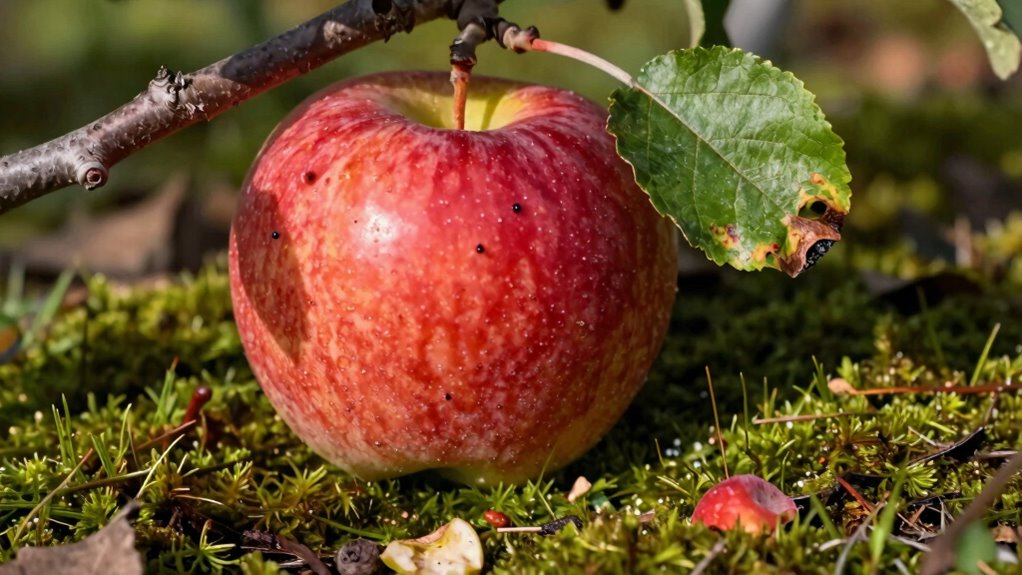
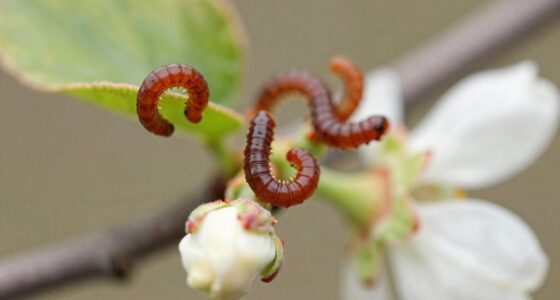
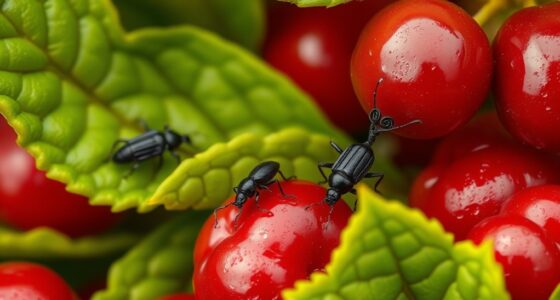
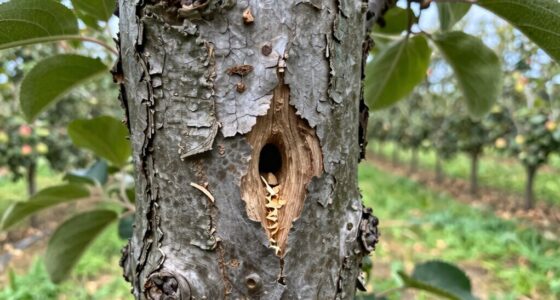
When fruit begins to drop prematurely from your trees, it can be a clear sign that pests are at work. You might notice small holes in the fruit, distorted shapes, or even tiny insects scurrying around the branches. These natural pest indicators are essential clues that something isn’t right with your orchard. However, not all fruit drop is caused by pests; understanding orchard health signs helps you distinguish between pest-related issues and other factors like weather or cultural practices. Recognizing these signs early allows you to take targeted action, saving your trees and ensuring a healthy harvest.
If you see sudden, unseasonal fruit drop combined with visible pests, it’s a strong indicator of an infestation. For example, aphids, fruit flies, or codling moths are common culprits that attack fruit or the tree’s reproductive parts. The damage they cause often triggers premature fruit drop as the tree tries to shed what it perceives as compromised or unsuitable fruit. In such cases, you’ll also notice sticky residues, webbing, or small larvae at the base of the fruit. These are clear orchard health signs pointing to pest activity. Monitoring these natural pest indicators closely can help you act quickly—whether by applying organic controls, introducing beneficial insects, or using targeted sprays.
Sudden, unseasonal fruit drop and visible pests signal a likely infestation needing quick action.
But not every fruit drop signals a pest problem. Weather fluctuations, especially heavy rain or drought, can also cause fruit to fall prematurely. Sudden temperature drops or high winds may stress the trees, leading to natural shedding as a survival mechanism. Cultural factors, such as improper watering, overfertilization, or pruning, can also weaken trees and cause fruit to drop. If you observe fruit falling without the presence of pests or damage, it’s more likely related to orchard health signs linked to environmental or management issues. Understanding orchard health signs helps you identify whether environmental stressors are responsible, guiding your next steps in orchard care. Additionally, tree stress signals can be subtle but are important for diagnosing the root cause of fruit drop. Recognizing these signs and understanding their causes and effects can help you better manage your orchard’s overall health.
Furthermore, nutrient deficiencies can also contribute to weakened fruit attachment, making fruit more susceptible to dropping prematurely. In these cases, adjusting your care routine—like watering adequately during drought or protecting trees from wind damage—can help prevent unnecessary fruit loss.
In essence, distinguishing between pest-related fruit drop and other causes hinges on paying attention to natural pest indicators and orchard health signs. When you see pest damage alongside dropping fruit, pests are likely the cause. Conversely, if the fruit falls without signs of pest activity, consider environmental factors or cultural practices. Regular inspections, combined with a good understanding of what healthy trees look like, enable you to make informed decisions. Recognizing these subtle clues makes all the difference in maintaining a thriving orchard and ensuring that your fruit trees produce at their best.
organic pest control for fruit trees
As an affiliate, we earn on qualifying purchases.
As an affiliate, we earn on qualifying purchases.
Frequently Asked Questions
Can Fruit Drop Indicate Nutrient Deficiencies?
Yes, fruit drop can indicate nutrient deficiencies. You should look for nutrient signs like poor fruit quality or abnormal growth patterns. Conducting a soil analysis helps identify deficiencies in essential nutrients like nitrogen, phosphorus, or potassium. By understanding these signs and testing your soil, you can adjust fertilization to address deficiencies, reducing unnecessary fruit drop and promoting healthier, more productive trees.
How Does Weather Influence Fruit Drop?
Weather patterns and climate effects play a big role in fruit drop. Sudden temperature swings or drought stress cause trees to shed fruit prematurely, conserving resources during tough conditions. Conversely, consistent weather helps maintain fruit attachment. You’ll notice more drop during unpredictable or extreme weather, while stable conditions promote healthy fruit retention. Monitoring climate effects can help you anticipate and manage fruit drop, ensuring better harvests and healthier trees.
Are There Specific Fruit Varieties More Prone to Dropping?
Certain fruit varieties are more prone to dropping due to cultivar differences and fruit variety susceptibility. For example, some apple and cherry cultivars naturally shed fruit earlier or more frequently, especially under stressful conditions. You’ll notice that specific cultivars have thinner skins or less robust fruit set, making them more vulnerable. Recognizing these differences helps you manage expectations and adopt appropriate practices to reduce unwanted fruit drop in susceptible varieties.
What Natural Predators Help Reduce Pest-Related Fruit Drop?
Think of your orchard as a balanced ecosystem orchestra. Bird predation and parasitic wasps act as skilled conductors, naturally reducing pest populations that cause fruit drop. Birds feed on pest insects, keeping their numbers in check, while parasitic wasps target pest larvae, preventing infestations from escalating. By encouraging these predators, you create harmony in your orchard, reducing the need for chemical interventions and helping fruit stay firmly on the tree.
Is Fruit Drop Always an Early Sign of Pest Infestation?
Fruit drop isn’t always an early sign of pest infestation. It can result from natural fruit thinning, environmental stress, or weather changes. To accurately identify pests, conduct pest identification by inspecting your trees closely for signs like tiny holes or webbing. If pests aren’t the cause, focus on proper watering and fertilizing. Recognizing the difference helps prevent unnecessary treatments and promotes healthy fruit development.
beneficial insects for orchard pest management
As an affiliate, we earn on qualifying purchases.
As an affiliate, we earn on qualifying purchases.
Conclusion
Think of fruit drop as a signal fire in a forest—sometimes it’s a warning of an approaching threat, and other times it’s just nature’s way of pruning. When you see fruit fall, don’t jump to conclusions immediately; investigate the signs. Like a seasoned forest ranger, learn to read the subtle cues. Knowing when it’s a pest’s alarm and when it’s natural helps you protect your orchard wisely, ensuring a healthy harvest without unnecessary worry.
As an affiliate, we earn on qualifying purchases.
tree monitoring tools for orchard health
As an affiliate, we earn on qualifying purchases.
As an affiliate, we earn on qualifying purchases.
Fall yard work Picks
leaf blowers
As an affiliate, we earn on qualifying purchases.