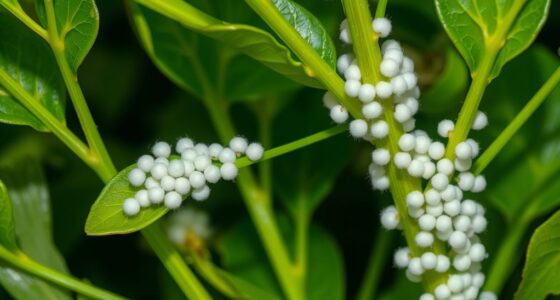
Predatory mites are most practical indoors when you catch pest issues early and create the right environment for them. Guarantee your plants are healthy and maintain ideal humidity and temperature to support mite survival and activity. They work best before pests multiply extensively, and in controlled conditions, they can effectively reduce spider mites and thrips naturally. If you want to know how to maximize their success, keep exploring the essential factors for successful biological control.
Key Takeaways
- Predatory mites are practical indoors when pest infestations are caught early and are still manageable.
- They are effective in controlled environments with proper temperature and humidity levels.
- Suitable for use before pest populations multiply extensively, typically in small-scale or moderate infestations.
- They work best as part of an integrated pest management plan, not as a sole solution.
- Not recommended for heavy infestations or environments with poor humidity control.
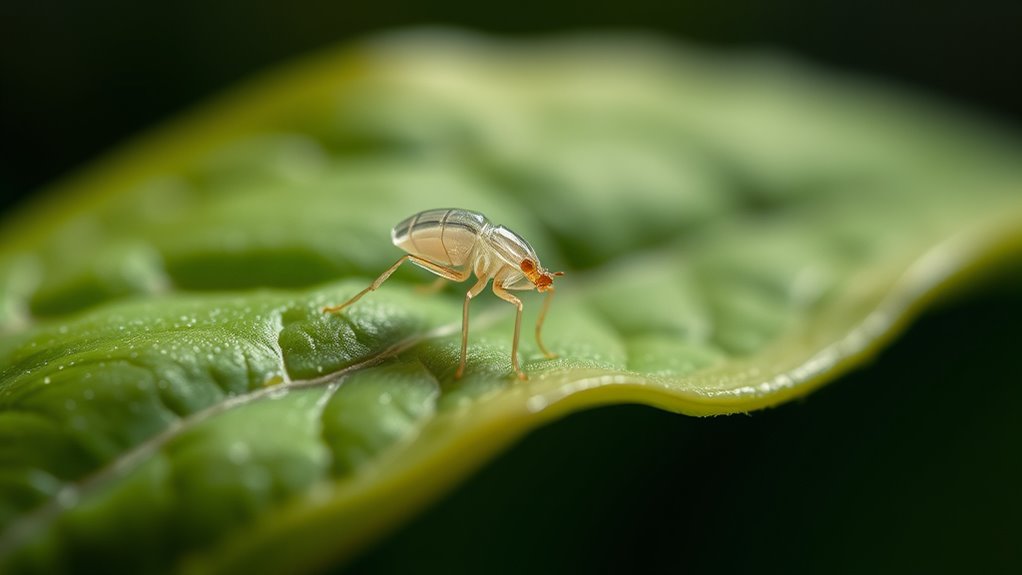
If you’re battling indoor pests like spider mites or thrips, predatory mites might be a natural solution to contemplate. These tiny allies are a form of biological control, a pest management strategy that leverages natural predators to reduce pest populations without relying on chemical pesticides. Using predatory mites indoors can be highly effective, especially when you want to avoid harsh chemicals that could harm your plants or family members. They target specific pests, such as spider mites, thrips, and other small arthropods, by feeding on them and helping to keep pest numbers in check. This method aligns with an integrated pest management approach, which emphasizes eco-friendly and sustainable solutions.
Additionally, understanding the specific pest species you are dealing with can significantly improve the effectiveness of predatory mites, as different mite species target different pests. However, predatory mites are not suitable in every situation. They’re most practical when pest infestations are caught early—before pests have multiplied extensively. If you notice your plants showing signs of pest damage, and traditional methods haven’t worked or aren’t desirable, introducing predatory mites could be a smart move. These mites are naturally occurring in many environments, and commercially available ones are bred specifically for pest control in indoor settings. They work best in controlled environments where conditions like temperature and humidity are kept within ideal ranges for their survival and activity. When conditions are right, the predatory mites will actively seek out and consume pests, helping you manage the problem without resorting to chemicals.
One key consideration in pest management with predatory mites is understanding their prey preferences. Not all pests are targeted by the same mite species, so it’s important to identify the pest issue accurately. If you’re dealing with multiple pest types, you might need a combination of biological control methods or other integrated strategies. Additionally, you should ensure that your plants are healthy and not stressed, as healthy plants can better withstand pest pressures and support the predatory mites’ effectiveness.
Furthermore, maintaining optimal humidity levels can enhance the survival and activity of predatory mites indoors. While predatory mites are a promising tool for indoor pest management, they do have limitations. They may not be suitable for very heavy infestations or in environments with poor humidity control. You also need to be patient; it can take some weeks for the mite populations to build up enough to considerably impact pest numbers. Overall, they’re most practical as part of a broader, integrated pest management plan, especially when you prefer natural, chemical-free control options. When used thoughtfully and under the right conditions, predatory mites are a valuable, eco-friendly addition to your indoor pest management arsenal.
Frequently Asked Questions
Are Predatory Mites Safe for Children and Pets Indoors?
Predatory mites are generally safe for children and pets indoors, making them a good choice for pest control without risking child safety or pet safety. You can use them confidently, knowing they won’t harm your loved ones. However, it’s always wise to follow manufacturer instructions and keep an eye on your kids and pets during application to guarantee safety and proper use.
How Long Does It Take for Predatory Mites to Control Pests?
You’ll see pest reduction within 3 to 7 days, thanks to predatory mites’ rapid action. Their timing effectiveness varies based on pest type and infestation severity, but most users notice significant control within a week. Typically, it takes around 2 to 3 weeks for mites to fully manage pests, making them a quick and eco-friendly solution. Keep monitoring, and you’ll see your indoor environment stabilize swiftly.
Can Predatory Mites Be Used Alongside Chemical Pesticides?
Yes, you can use predatory mites alongside chemical pesticides, but you need to take into account chemical compatibility and application timing. Some pesticides harm predatory mites, so choose those labeled as safe for beneficial insects. Apply chemical treatments first, allowing enough time for residues to diminish before introducing predatory mites. Always read labels carefully and follow recommended intervals to protect the mites and ensure effective pest control.
What Are the Signs of Predatory Mite Infestation?
You’ll notice mite behavior like tiny moving specks or web-like structures on plants, which signal a predatory mite infestation. Look for symptoms such as damaged or discolored leaves, silvery patches, or a sudden decline in plant health. If you observe these infestation symptoms and mite activity, it’s a sign that predatory mites are present and working to control pest populations naturally.
How Do I Introduce Predatory Mites Into My Home Effectively?
To introduce predatory mites effectively, start by selecting mites suited to your pest problem and natural habitat. Release them in the infested areas using gentle methods, like spreading them manually or releasing from containers. Guarantee the environment is moist and free of pesticides, as these mites thrive in similar conditions to their natural habitat. Regularly monitor pest levels, and re-release mites if necessary to maintain control.
Conclusion
Just like a knight armed with a tiny, natural weapon, predatory mites can be your indoor allies against pests. When you spot persistent mites or mold, consider their help before resorting to chemicals. They’re a quiet, effective force—reminding us that sometimes, nature’s small warriors are the best choice. Embrace them wisely, and you’ll find your home not just pest-free, but healthier. After all, even the smallest heroes can make the biggest difference.