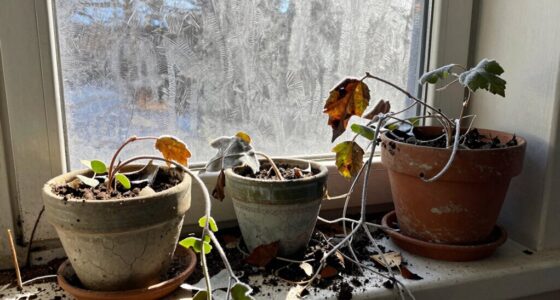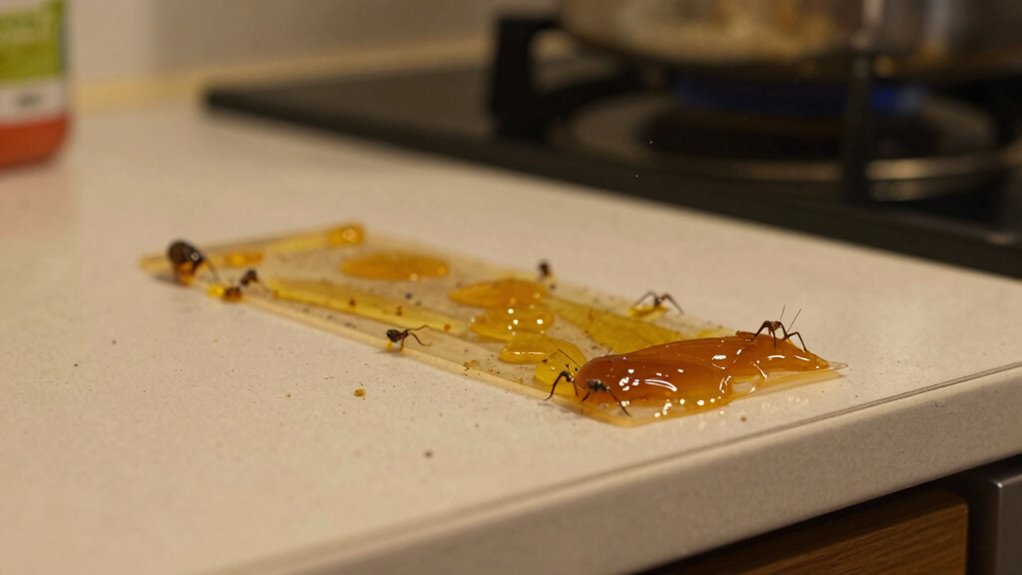

If you notice sticky residue on your shelves, it’s a strong sign pests like ants, cockroaches, or pantry pests have recently been around. This residue often marks their trails, food sources, and hiding spots. Acting quickly is key to preventing an infestation. Sealing entry points, cleaning thoroughly, and storing food properly can help. Keep watching for more clues to stay ahead of pests and protect your space effectively.

Get garden gear delivered free with Prime
- Fast, free delivery on millions of items
- Prime Video, Amazon Music and more included
- Member-only deals all year
Key Takeaways
- Sticky residue on shelves indicates recent pest activity and potential entry or hiding spots.
- It often appears near crumbs, spilled liquids, or food packaging, signaling food sources attracting pests.
- Pests use small cracks or gaps around shelves as entry points, leaving behind residue as they move.
- Residue is a sign to inspect hidden corners and cluttered areas where pests may shelter.
- Cleaning and sealing entry points promptly prevent further infestation and eliminate pest trails.
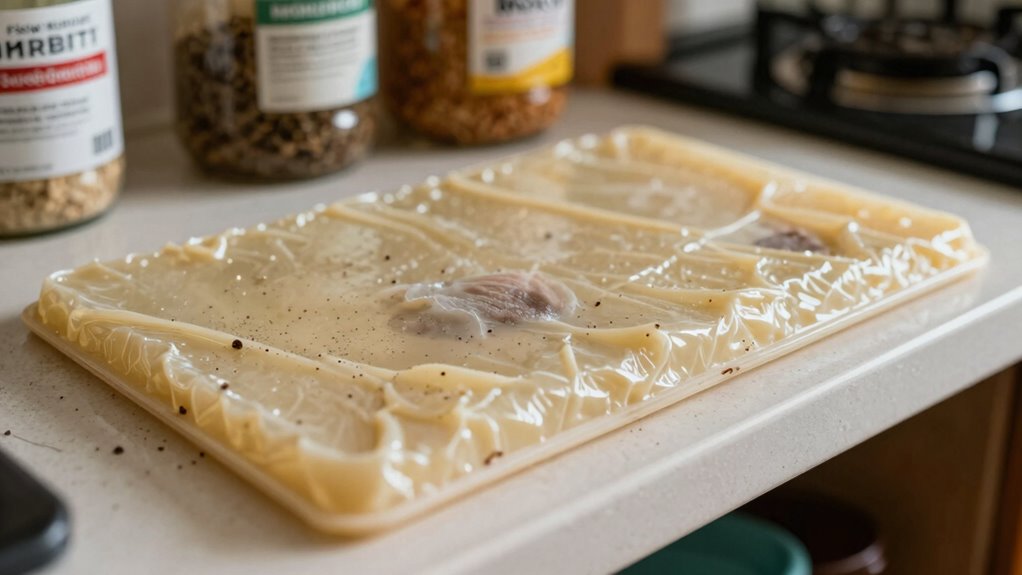
If you notice a sticky residue on your shelves, it’s often a sign that pests like ants, cockroaches, or pantry pests have been nearby. These tiny intruders leave behind more than just the sticky film—they mark their territory and indicate they’ve been rummaging through your space. The sticky shelf clue is a warning that pests have gained entry and are likely hiding nearby, making it essential to identify their entry points and common hiding spots.
Pest entry points are usually small cracks, gaps around pipes, or tiny openings around windows and doors. You might not see these openings at first, but pests find ways in through even the tiniest cracks. Checking your shelves and surrounding areas for these entry points can help you understand how pests are getting in. Once inside, they tend to settle in hidden, undisturbed areas, often in the corners of shelves, behind stored items, or beneath packaging. Pests love common hiding spots that offer shelter and easy access to food and water.
You should pay close attention to where you see the sticky residue. It might be near crumbs, spilled liquids, or food packaging, which attract pests. These areas are not only entry points but also feeding zones. Pests tend to hide in dark, secluded spots where they can stay undisturbed. Common hiding spots include behind boxes, under loose shelving, or in gaps between stored items. If your shelves are cluttered, it becomes easier for pests to hide and harder for you to spot their presence. Clearing clutter and inspecting these spots regularly can help prevent an infestation. Regularly monitoring pest activity can help you catch issues early before they escalate.
When you notice the sticky residue, it’s a cue to thoroughly clean your shelves and surrounding areas. Use a strong cleaner to remove any residue and eliminate the scent trail pests might be following. After cleaning, seal any visible entry points with caulk or weather stripping to prevent future intrusions. Keep your pantry and storage areas tidy, store food in airtight containers, and routinely check for signs of pests. If you find more sticky residues or signs of pests, consider calling a pest control professional for targeted treatment.
That sticky shelf clue is your warning sign—pay attention to it. It reveals not only that pests have been present but also guides you to their entry points and hiding spots. Acting quickly can prevent a full-blown infestation, saving you time and frustration. Regular maintenance, inspection, and sealing potential entry points make your space less inviting to pests and help keep your shelves clean and pest-free. Additionally, understanding pest behavior can help you develop more effective prevention strategies.
As an affiliate, we earn on qualifying purchases.
Frequently Asked Questions
How Quickly Can Pests Infest After Sticky Shelf Signs Appear?
Pests can infest your space within days after you notice infestation signs on sticky shelves. Their behavior drives rapid spread once they find food or shelter. When you see sticky shelf signs, it’s a clear warning to act fast, as pests like cockroaches or ants can multiply quickly. Early detection and prompt treatment are essential to prevent a full-blown infestation, keeping your environment safe and pest-free.
Are Sticky Shelf Clues Effective for All Pest Types?
Sticky shelf clues are not effective for all pest types because pest behavior varies. Some pests, like cockroaches and ants, are attracted to the sticky shelf material, making it a useful detection method. However, other pests, such as bed bugs or termites, may not be drawn to these clues, so relying solely on sticky shelves can miss certain infestations. Always combine multiple detection methods for thorough pest control.
Can Sticky Shelf Clues Indicate the Specific Pest Species?
Sticky shelf clues can help with pest identification by showing signs of pest activity, but they often can’t specify the exact species. For accurate species differentiation, you’ll need to observe pest characteristics directly or consult a professional. While these clues are useful for detecting pest presence, relying solely on them for pest identification might lead to misidentification. Combining sticky shelf clues with other inspection methods gives you the best chance for precise species differentiation.
How Often Should I Check Sticky Shelf Clues for Pests?
You should check your sticky shelf clues weekly to guarantee pest prevention. Regular shelf maintenance helps catch signs of pests early before they spread. By inspecting your sticky traps often, you can quickly identify new infestations and take action promptly. Consistent monitoring allows you to stay ahead of pests, reducing the need for more extensive treatments and keeping your space safe and pest-free.
What Should I Do if I Find Pests After Seeing the Sticky Shelf Clue?
If you find pests after seeing the sticky shelf clue, act quickly by implementing pest prevention measures. Start by thoroughly cleaning the affected area and removing any food sources. Use targeted trapping or natural deterrents to eliminate pests. Regular cleaning strategies help prevent future infestations. Also, seal cracks or entry points to block pests from returning. Staying vigilant and maintaining good hygiene are key to keeping pests out permanently.
As an affiliate, we earn on qualifying purchases.
Conclusion
If you spot a sticky shelf, chances are pests have moved in—don’t ignore the sign. In fact, studies show that early detection can reduce pest control costs by up to 50%. By paying attention to small clues like sticky shelves, you stay one step ahead. Acting quickly not only saves money but also keeps your home healthier. Stay vigilant, and you’ll outsmart those pests before they take over your space.
As an affiliate, we earn on qualifying purchases.
As an affiliate, we earn on qualifying purchases.
Fall yard work Picks
leaf blowers
As an affiliate, we earn on qualifying purchases.