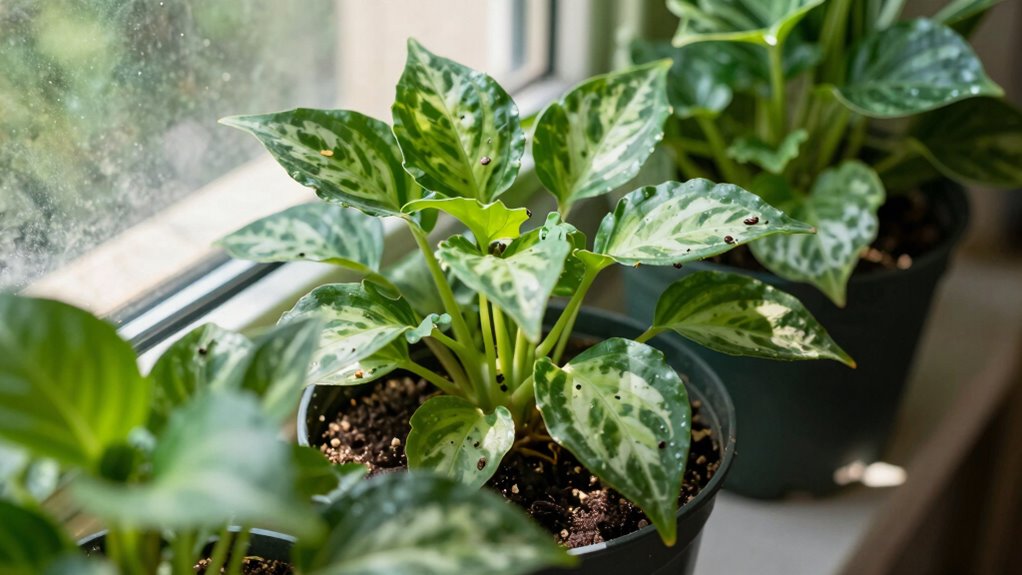

Plant stands and windowsills often become pest hotspots because they provide a warm, sheltered, and easily accessible environment where pests like aphids and spider mites thrive. Organic debris, excess moisture, and limited airflow create perfect hiding and breeding spots. If your plants are left uncleaned or overlooked, pests can quickly take hold. Maintaining good hygiene and taking proactive steps can help, and if you keep going, you’ll discover even more effective strategies to prevent infestations.
Key Takeaways
- They provide warm, sheltered environments with limited airflow, ideal for pest breeding.
- Organic debris and dust accumulation create hiding and breeding spots for pests.
- Moisture from watering and poor drainage attracts pests like fungus gnats.
- Stands and windowsills often have restricted cleaning, allowing pest populations to grow unnoticed.
- Elevated positions make pests harder to detect and eliminate during routine inspections.
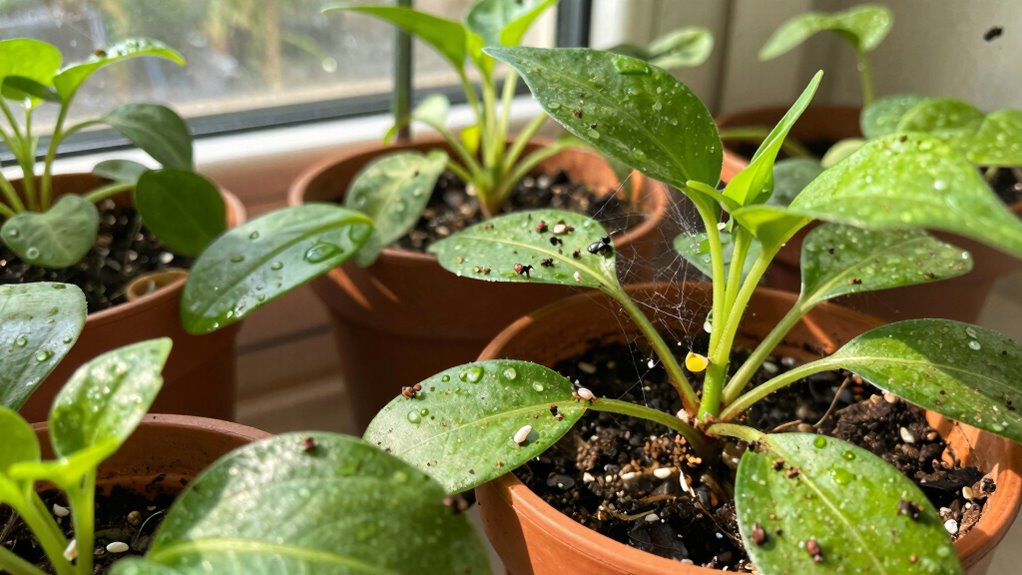
If you keep your plants on stands or windowsills, you might be unknowingly creating prime conditions for pests to thrive. These spots often offer the perfect environment for unwanted visitors because they tend to stay warm, sheltered, and accessible. Pests like aphids, spider mites, and fungus gnats are attracted to the moisture, organic debris, and lack of airflow in these areas. To prevent infestations, you need to focus on pest prevention and establish effective cleaning routines that make these spots less inviting for pests.
One key to pest prevention is regularly inspecting your plants and their surroundings. Look for signs of pests—such as sticky residue, webbing, or chewed leaves—and catch problems early. Maintaining a clean environment is essential. Dust and debris tend to collect on stands and windowsills, creating hiding spots for pests. Wiping down surfaces with a damp cloth weekly helps remove these potential hiding places and keeps pests from settling in. Make sure to clean underneath pots and around the base of your plants, where pests often hide.
Regularly inspect and clean plant areas to prevent pests and catch issues early.
Your cleaning routines should also include watering practices that avoid excess moisture, which attracts pests like fungus gnats. Always check the soil drainage and avoid overwatering, as damp soil is a magnet for tiny flying insects. When watering, do so in a way that prevents water from pooling on the surface, and remove any fallen leaves or plant debris promptly. These organic materials can serve as breeding grounds for pests and fungi, so regular cleaning is vital. Additionally, understanding the importance of indoor air quality can help you create a less hospitable environment for pests by promoting proper ventilation and reducing humidity levels around your plants.
Another smart move is to elevate your plants on stands that are easy to clean underneath. Moving plants periodically allows you to inspect and clean the area beneath them, reducing pest hiding spots. Avoid cluttered or dusty environments near your windows, and keep the area well-ventilated. Good airflow discourages pests that prefer stagnant, humid conditions. If you notice pests, isolate affected plants immediately to prevent spreading, and treat infestations with natural remedies or appropriate insecticides.
plant stand with easy clean underneath
As an affiliate, we earn on qualifying purchases.
As an affiliate, we earn on qualifying purchases.
Frequently Asked Questions
How Can I Prevent Pests From Spreading Beyond Plant Stands?
To prevent pests from spreading beyond your plant stands, maintain good plant stand hygiene by regularly cleaning surfaces and removing fallen leaves or debris. Use pest-resistant plants where possible, which are less attractive to pests. Isolate new plants before placing them near existing ones, and monitor for early signs of pests. These steps help contain pests and protect your entire collection, keeping your indoor garden healthy and pest-free.
Are Certain Plant Species More Prone to Pests on Windowsills?
Yes, some plant species are more prone to pests on windowsills due to plant species susceptibility and pest attraction factors. For example, tropical plants like ferns and pothos attract pests like spider mites and aphids more easily. These plants often have lush foliage that pests find appealing. To reduce risks, choose resilient species, regularly inspect your plants, and guarantee proper airflow and humidity levels to minimize pest attraction factors.
What Are Natural Remedies for Pests on Indoor Plants?
Imagine your lush, green leaves shimmering with health; pests threaten this harmony. You can use natural repellents like neem oil or insecticidal soap to deter unwanted invaders without harsh chemicals. Biological controls, such as introducing ladybugs or predatory mites, naturally reduce pest populations. Regularly inspect your plants and apply these remedies to keep pests at bay, ensuring your indoor garden remains vibrant and thriving.
How Often Should I Inspect Plants for Pest Infestations?
You should inspect your plants weekly to catch pest infestations early. Establish a plant inspection schedule that fits your routine, focusing on common hotspots like plant stands and windowsills. Use pest identification techniques such as looking for discolored leaves, sticky residue, or tiny insects. Regular inspections help you detect pests before they spread, making it easier to treat problems quickly and keep your indoor garden healthy and pest-free.
Can Pests From Outdoor Plants Migrate to Indoor Plant Stands?
Yes, pests from outdoor plants can hitch a ride and migrate to your indoor plant stands, like tiny travelers crossing borders. Outdoor pest migration fuels cross plant contamination, spreading unwanted guests indoors. Wind, insects, or even your gardening tools can carry pests inside. To prevent this, inspect outdoor plants regularly, quarantine new plants, and keep an eye out for signs of pest entry, acting swiftly to stop the invasion.
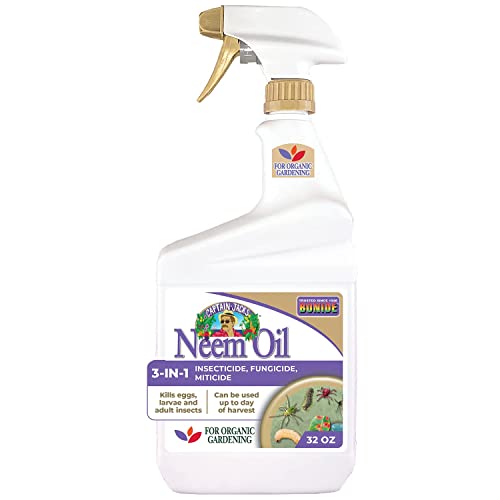
Bonide Captain Jack's Neem Oil, 32 oz Ready-to-Use Spray, Multi-Purpose Fungicide, Insecticide and Miticide for Organic Gardening
- Multi-Purpose Pest Control: Fungicide, miticide, and insecticide
- Ready-to-Use Spray: Convenient and easy to apply
- Kills All Insect Stages: Eggs, larvae, and adults
As an affiliate, we earn on qualifying purchases.
As an affiliate, we earn on qualifying purchases.
Conclusion
So, next time you glance at your plant stands or windowsills, remember they can quietly host unwelcome guests. These cozy nooks, bathed in gentle sunlight and filled with vibrant greenery, might seem inviting, but they’re also perfect hideouts for pests. Stay vigilant, give your plants regular care, and keep an eye out. By doing so, you protect the lush oasis you’ve created, ensuring it remains a peaceful, thriving sanctuary instead of a pest’s haven.
plant watering can with adjustable flow
As an affiliate, we earn on qualifying purchases.
As an affiliate, we earn on qualifying purchases.
air circulator fan for indoor plants
As an affiliate, we earn on qualifying purchases.
As an affiliate, we earn on qualifying purchases.